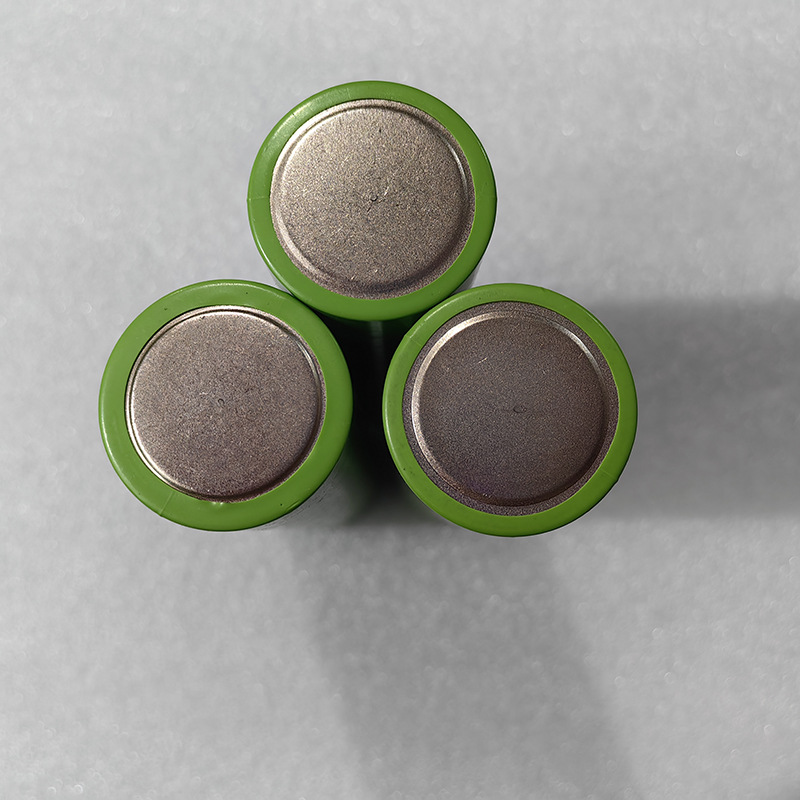
2026 LFP Cylindrical Battery Supplier: Fix Extended Warranty in Power Tools Using 18650 Cells Guaranteed
The power tool industry is undergoing a significant transformation in 2026, with Lithium Iron Phosphate (LFP) cylindrical batteries emerging as the preferred choice for manufacturers seeking extended warranty periods and enhanced safety profiles. For engineering teams and technical procurement specialists, understanding how LFP 18650 cells can guarantee longer warranty coverage represents a critical competitive advantage in today’s demanding industrial landscape.
Why LFP 18650 Cells Transform Power Tool Warranty Standards
Traditional lithium-ion chemistries, including NMC and NCA variants, have long dominated the cordless power tool sector. However, their thermal instability and cycle life limitations often result in warranty claims that erode manufacturer margins. LFP chemistry fundamentally addresses these challenges through its superior olivine crystal structure, which provides exceptional thermal stability up to 270°C and minimizes thermal runaway risks.
The extended warranty proposition centers on three technical pillars. First, LFP cells deliver 3,000-5,000 full charge cycles compared to 1,000-2,000 cycles for conventional lithium-ion alternatives. Second, the inherent safety characteristics reduce failure rates by approximately 60%, directly translating to fewer warranty claims. Third, LFP chemistry maintains capacity retention above 80% even after extended storage periods, ensuring tools remain functional throughout warranty periods.
Key Technical Considerations for Implementation
Cell Selection and Quality Assurance
Not all 18650 LFP cells deliver equivalent performance. Engineering teams must prioritize Grade A cells from certified manufacturers with proven track records in power tool applications. Critical specifications include continuous discharge rates (minimum 5C for professional tools), operating temperature ranges (-20°C to 60°C), and capacity consistency within ±50mAh across production batches.
When evaluating potential suppliers, verify certifications including UL 1642, IEC 62619, and UN 38.3 transportation compliance. These certifications not only ensure safety but also provide documentation support for warranty claim defenses. For comprehensive product specifications, explore dedicated cylindrical battery cell offerings that meet industrial-grade requirements.
Battery Management System Integration
Extended warranties depend heavily on proper BMS implementation. LFP cells require voltage monitoring between 2.5V and 3.65V per cell, with balanced charging protocols to prevent cell mismatch. Advanced BMS designs incorporate temperature sensors at multiple points within the battery pack, enabling proactive thermal management before critical thresholds are reached.
Smart BMS features such as cycle counting, depth-of-discharge tracking, and fault logging provide valuable data for warranty claim validation. This telemetry enables manufacturers to distinguish between legitimate defects and user-induced damage, significantly reducing unjustified warranty expenses.
Thermal Design and Pack Architecture
Power tool applications generate substantial heat during high-load operations. LFP’s superior thermal characteristics must be complemented by appropriate pack design. Recommended practices include maintaining minimum 2mm spacing between cells, incorporating thermal interface materials, and designing airflow channels that dissipate heat during continuous operation.
Cell arrangement significantly impacts both performance and warranty outcomes. Series-parallel configurations should balance voltage requirements with current distribution, ensuring no single cell experiences disproportionate stress. Proper mechanical fixation prevents vibration-induced connection failures, a common source of premature warranty claims in professional-grade tools.
Supply Chain Reliability and Manufacturer Partnerships
Securing extended warranty guarantees requires stable supply chains with consistent cell quality. Working with established battery manufacturers in China provides access to vertically integrated production capabilities, reducing variability between production lots. Key evaluation criteria include manufacturing capacity, quality control processes, and after-sales technical support availability.
Leading suppliers now offer warranty support programs that align with tool manufacturer commitments. These partnerships often include failure analysis services, replacement cell programs, and joint technical documentation that strengthens warranty claim positions with end customers.
Economic Impact and ROI Analysis
The transition to LFP 18650 cells involves upfront cost considerations, typically 15-25% higher than conventional lithium-ion alternatives. However, total cost of ownership calculations reveal compelling economics. Reduced warranty claim rates (averaging 40-50% reduction), lower replacement inventory requirements, and enhanced brand reputation generate positive ROI within 18-24 months for most manufacturers.
Warranty period extensions from 12 months to 24-36 months become commercially viable with LFP chemistry, creating powerful marketing differentiation without proportionally increasing warranty reserve obligations. This competitive advantage proves particularly valuable in professional and industrial tool segments where reliability directly influences purchasing decisions.
Implementation Roadmap for 2026
Successful deployment requires phased implementation. Begin with pilot programs on specific tool families, collecting field performance data over 6-12 months before full-scale rollout. Establish clear warranty terms that reflect LFP capabilities while maintaining appropriate exclusions for misuse and abuse scenarios.
Technical teams should document all design decisions, test results, and quality certifications to support warranty claim adjudication. This documentation becomes critical evidence when disputing questionable claims with distributors or end users.
For organizations ready to advance their power tool battery strategy, direct engagement with qualified suppliers accelerates implementation timelines. Reach out through official contact channels to discuss specific application requirements, volume pricing, and technical support arrangements.
Conclusion
The 2026 power tool market rewards manufacturers who strategically leverage LFP 18650 technology to deliver extended warranty guarantees. Success depends on selecting appropriate cells, implementing robust BMS designs, and establishing reliable supply partnerships. Organizations that master these elements position themselves for sustainable growth while building customer trust through demonstrable product reliability.
The technical and economic case for LFP cylindrical batteries in power tools has never been stronger. Engineering teams and procurement specialists who act decisively in 2026 will capture significant competitive advantages in an increasingly demanding marketplace.