2026 Buyer’s Guide: Fixing Low-Temperature Performance in Lithium-Ion Cylindrical Batteries for Power Tools
The Achilles’ Heel of Cordless Tools: Cold Weather Performance
For engineers and procurement managers in the global power tool industry, the shift from Ni-Cd to Lithium-Ion (Li-ion) has been revolutionary. However, one persistent technical hurdle remains: Low-temperature performance. As we move into 2026, the demand for tools that function reliably in sub-zero environments—be it in Scandinavian construction or North American forestry—has never been higher.
Standard 18650 or 21700 cells often suffer from increased internal resistance and lithium plating when temperatures drop below 0°C, leading to catastrophic capacity loss or safety hazards. This guide dissects the specific chemistry and engineering required to “fix” this issue, focusing on the technical specifications relevant to the 60110 Lithium-Ion Cylindrical Battery format and its industrial applications.
Decoding the 60110: More Than Just a Number
Before diving into the cold-weather solution, it is crucial to understand the physical and chemical landscape of the 60110 format. Unlike the ubiquitous 18650 (18mm x 65mm) or 21700 (21mm x 70mm), the 60110 represents a “jelly-roll” configuration designed for high current discharge.
- Dimensions: 60mm Diameter x 110mm Height.
- Chemistry: Typically utilizes Lithium Iron Phosphate (LiFePO4) or High-Nickel NMC for specific energy needs.
- Application Context: This format is rarely used in consumer electronics. It is engineered for Heavy-Duty Industrial Power Tools, Large Format Energy Storage Systems (ESS), and specific Electric Vehicle (EV) auxiliary systems.
The core challenge in these applications is the “Heat vs. Performance” paradox. To fix low-temperature issues, we must look beyond the cell casing and into the electrolyte and cathode architecture.
The Technical Fix: Engineering for Sub-Zero Environments
To ensure a Lithium-Ion Cylindrical Battery performs in freezing conditions, manufacturers must manipulate three key variables. Standard cells rely on liquid electrolytes that thicken in the cold, slowing ion movement. The “fix” involves:
1. Low-Viscosity Electrolyte Formulation
The primary bottleneck in cold weather is the electrolyte’s resistance. Advanced formulations use co-solvents with lower freezing points.
- Technical Note: Look for cells utilizing Fluorinated Carbonate Solvents or Sulfone-based additives. These maintain ionic conductivity even at -20°C to -30°C.
2. Optimized SEI (Solid Electrolyte Interphase) Layer
The SEI layer on the anode is critical. A poorly formed SEI can block lithium-ion intercalation in the cold.
- Technical Note: Cells designed for low temperatures often feature an engineered SEI layer that remains “porous” enough to allow rapid lithium-ion diffusion, preventing lithium plating (a dangerous condition where lithium metal deposits on the anode).
3. Cathode Material Selection
For high-drain applications like power tools, the cathode must release energy quickly without overheating.
- NMC 811 (Nickel Manganese Cobalt): Offers high energy density but requires precise thermal management.
- LFPO (Lithium Ferro Phosphate): While slightly lower in voltage, LFPO offers superior thermal stability and cycle life, making it a safer bet for fluctuating temperatures.
Testing Protocol: Validating “Cold Weather” Claims
As a technical buyer, you cannot take “Low Temperature Performance” at face value. You must validate the supplier’s claims through specific data points. When evaluating a 60110 battery supplier, demand the following test data:
| Test Parameter | Standard Cell Performance | Engineered “Fixed” Cell Performance |
|---|---|---|
| Discharge @ -20°C | < 40% of rated capacity | > 70% of rated capacity |
| Internal Resistance @ -20°C | Increase of 200-300% | Increase controlled to < 100% |
| Charge @ 0°C | Risk of Lithium Plating (Unsafe) | Safe charging protocols or heated designs |
| Pulse Discharge (5s) | Voltage drop below cut-off | Stable voltage platform maintained |
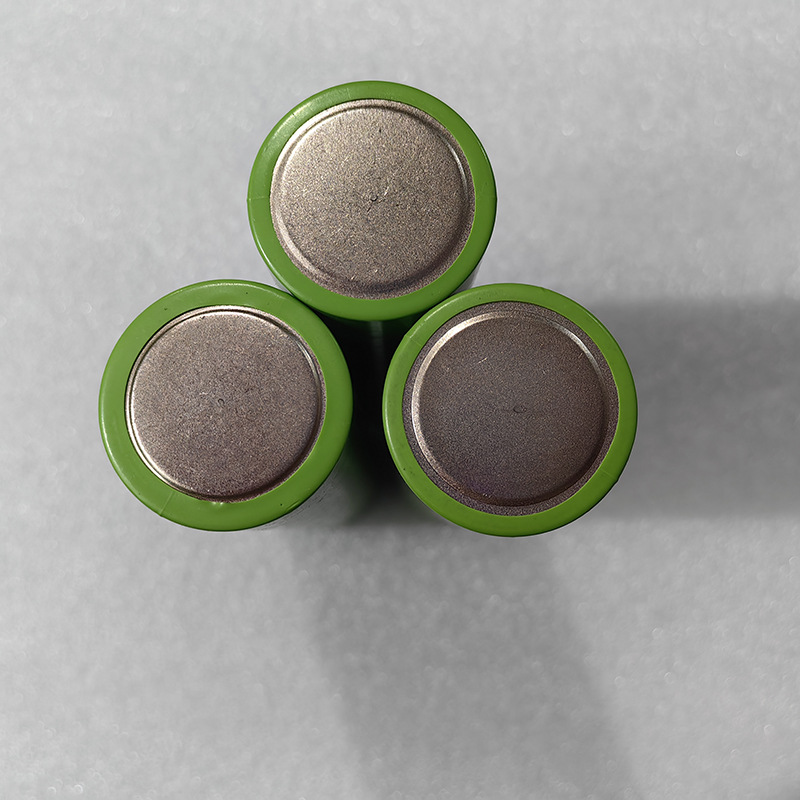
Figure 1: Comparison of Standard vs. Low-Temperature Optimized Cylindrical Cells.
If a supplier cannot provide discharge curves at -20°C, their cells are likely standard off-the-shelf products unsuitable for heavy-duty winter use.
The Supply Chain Reality: Why “Made in China” Matters in 2026
In 2026, the global battery supply chain is dominated by East Asian manufacturing, specifically China. However, not all Chinese manufacturers are equal. The distinction lies in R&D capability versus simple mass production.
When sourcing a specialized cell like the 60110, you need a partner who controls the chemistry, not just the assembly. Many “suppliers” are merely traders. A true manufacturer will have in-house capabilities for:
- Electrolyte R&D: The ability to tweak the “juice” inside the can.
- Advanced Manufacturing: Dry-room technology and precision winding to ensure consistency.
- Safety Testing: UL, IEC, and UN38.3 certifications are non-negotiable.
Geo-Compliance: Meeting EU and US Standards
For tools sold in Europe and North America, your battery cells must pass stringent safety gates.
- EU Compliance: The cells must adhere to the EU Battery Regulation 2023, which mandates carbon footprint declarations, recycling efficiency, and Restricted Substances (RoHS).
- US Market: UL 2580 (Standard for Safety of Batteries for Use in Electric Vehicles) is often referenced for high-power industrial tools due to its rigorous abuse testing (crush, nail penetration, overcharge).
A supplier based in Zhengzhou, China, such as CNS Energy, represents the ideal technical partner. Located in the heart of China’s “Battery Valley,” they have access to the complete supply chain ecosystem. More importantly, they possess the technical pedigree to engineer cells that meet these specific geographic compliance standards.
Case Study: Power Tool Optimization with CNS Technology
Let us apply this theory to a practical scenario. Imagine you are designing a cordless chainsaw for the Alaskan market. You need a 60110 format for its high current capability, but it must start in -25°C weather.
The Problem: Standard NMC 60110 cells freeze up, causing the tool to shut down immediately due to low voltage.
The Technical Solution (CNS Approach):
- Chemistry: Utilize a High-Nickel NMC cathode paired with a Low-Freezing-Point Electrolyte.
- Design: Implement a Thermal Management System within the battery pack design (often co-developed with the OEM).
- Validation: Conducted -30°C cold start tests showing > 65% capacity retention.
CNS Energy, as a leading Lithium-Ion Cylindrical Battery manufacturer, does not just sell cells; they sell “Application Engineering.” They provide the technical data sheets (TDS) required for your engineers to model the thermal behavior of the tool.
Conclusion: The 2026 Sourcing Strategy
Fixing low-temperature performance in Power Tools is not a matter of buying a cheaper cell; it is about buying a smarter chemistry. The 60110 Lithium-Ion Cylindrical Battery is a specialized component requiring a partner who understands the physics of ion transport in extreme conditions.
As you look to 2026, prioritize suppliers who can demonstrate:
- Chemical Engineering Expertise: Proof of proprietary electrolyte formulas.
- Geographic Compliance: Certifications for EU and US markets.
- Application Support: The ability to work with your R&D team on thermal design.
Do not let the cold weather freeze your project’s potential. Engage with a manufacturer who can provide the technical backbone for your next-gen tools.
Ready to solve your low-temperature power challenges? Connect with a technical expert today.
Contact CNS Battery for a Customized Solution
Explore our range of high-performance cylindrical cells engineered for industrial applications:
View Cylindrical Battery Product Range
Learn more about partnering with a top-tier Chinese battery manufacturer: