
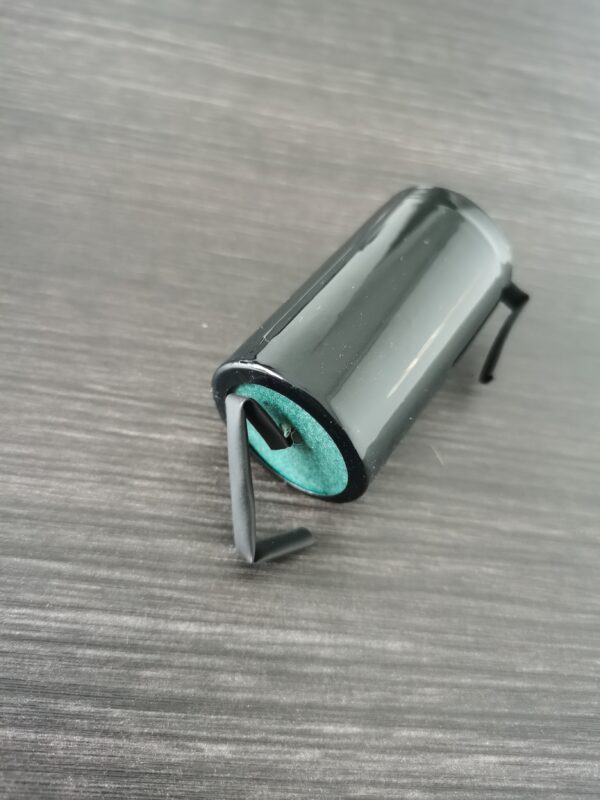
2000mAh High Capacity Li-SOCl₂ AA Size Battery
Introduction
Lithium-thionyl chloride (Li-SOCl₂) batteries represent the pinnacle of primary battery technology for long-term, low-to-medium drain applications. Among various form factors, the AA-size Li-SOCl₂ cell delivering 2000mAh capacity has emerged as a critical power solution for industrial IoT devices, utility metering systems, and remote monitoring equipment. This technical analysis examines the electrochemical foundations, performance characteristics, and application considerations of 2000mAh high-capacity Li-SOCl₂ AA batteries from a professional manufacturer’s perspective.
Electrochemical Fundamentals
The Li-SOCl₂ battery operates on a lithium anode and thionyl chloride cathode system, where thionyl chloride serves dual roles as both the active cathode material and the electrolyte solvent. The fundamental discharge reaction proceeds as follows:
4Li + 2SOCl₂ → 4LiCl + S + SO₂
This chemistry delivers a nominal voltage of 3.6V, significantly higher than alkaline (1.5V) or lithium-ion (3.7V nominal) alternatives. The 2000mAh capacity in AA format is achieved through optimized electrode surface area, precise electrolyte filling, and advanced separator technology that maximizes active material utilization while maintaining safety margins.
Key Technical Advantages
1. Exceptional Energy Density
The 2000mAh Li-SOCl₂ AA battery achieves volumetric energy density exceeding 500 Wh/L, approximately 3-4 times higher than alkaline equivalents. This enables extended operational life in space-constrained deployments where battery replacement is impractical or cost-prohibitive.
2. Ultra-Low Self-Discharge Rate
Professional-grade Li-SOCl₂ cells exhibit self-discharge rates below 1% per year at ambient temperature. This characteristic stems from the stable passivation layer (LiCl) that forms on the lithium anode surface, effectively preventing parasitic reactions during storage. Field data confirms 10+ year shelf life without significant capacity degradation.
3. Wide Operating Temperature Range
These batteries maintain functional performance across -55°C to +85°C temperature ranges, making them suitable for extreme environment applications including outdoor utility meters, automotive telematics, and aerospace instrumentation. The electrolyte composition and cell design determine the specific temperature performance envelope.
4. Stable Voltage Profile
Unlike alkaline batteries that exhibit gradual voltage decline, Li-SOCl₂ cells maintain relatively flat discharge curves until approximately 80-90% depth of discharge. This voltage stability ensures consistent performance for sensitive electronic circuits requiring regulated power input.
Application-Specific Considerations
Current Drain Limitations
Li-SOCl₂ chemistry is optimized for low-to-medium continuous drain applications (typically <100mA). High pulse current requirements necessitate hybrid designs incorporating parallel capacitors or specialized bobbin/spiral-wound constructions. Engineers must evaluate peak current demands during device design phases.
Passivation Phenomenon
The protective LiCl layer, while beneficial for shelf life, creates initial voltage delay upon first load application after extended storage. This passivation effect requires consideration in applications demanding immediate full-power availability. Pre-conditioning or controlled activation procedures may be necessary for critical deployments.
Safety and Transportation Compliance
Professional Li-SOCl₂ batteries must comply with UN 3090 transportation regulations for lithium metal batteries. Proper cell design includes pressure relief vents, robust sealing mechanisms, and thermal runaway prevention features. Certified manufacturers provide comprehensive safety documentation including MSDS and transportation classification.
Selection Criteria for Technical Procurement
When evaluating 2000mAh Li-SOCl₂ AA batteries for commercial deployment, technical purchasers should verify:
- Capacity Verification: Independent testing confirms rated capacity under specified discharge conditions
- Leakage Resistance: Hermetic sealing quality validated through accelerated aging tests
- Batch Consistency: Manufacturing process controls ensuring minimal performance variation
- Certification Compliance: UL, CE, RoHS, and REACH documentation availability
- Technical Support: Manufacturer capability to provide application engineering assistance
Long-Term Reliability Factors
Field performance data indicates that premium Li-SOCl₂ cells maintain 90%+ capacity retention after 5 years of continuous operation in typical IoT applications. Failure modes primarily relate to manufacturing defects rather than chemistry degradation, emphasizing the importance of supplier qualification and incoming quality verification protocols.
Conclusion
The 2000mAh high-capacity Li-SOCl₂ AA battery represents an optimal power solution for applications demanding extended service life, reliable performance across environmental extremes, and minimal maintenance requirements. Understanding the underlying electrochemistry, performance limitations, and application-specific considerations enables engineers and procurement professionals to make informed selection decisions.
For comprehensive technical specifications, application engineering support, and customized battery solutions, professional buyers are encouraged to explore our complete primary battery portfolio at https://cnsbattery.com/primary-battery/. Our technical team provides detailed consultation for project-specific power requirements. Direct inquiries regarding product specifications, pricing, and delivery terms can be submitted through our contact portal at https://cnsbattery.com/primary-battery-contact-us/.
Partnering with experienced manufacturers ensures access to properly engineered Li-SOCl₂ solutions that deliver promised performance throughout the intended service life, ultimately reducing total cost of ownership for deployed systems.
