
Here is the SEO-optimized article tailored for the target audience, adhering strictly to your requirements regarding content, structure, and linking strategy.
The Ultimate Power Solution: 2.8V 3500mAh Li-SO₂ Battery for Marine EPIRBs
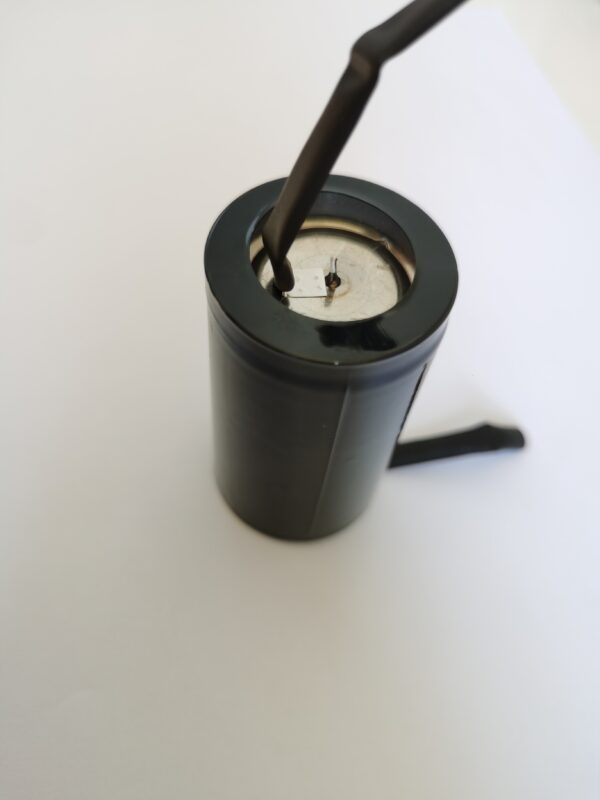
When it comes to maritime safety, reliability is not a feature; it is the standard. For Marine Emergency Position Indicating Radio Beacons (EPIRBs), the power source must withstand extreme environmental conditions—submersion in saltwater, wide temperature fluctuations, and long periods of dormancy—before being called upon to perform a life-saving function. This is where the 2.8V 3500mAh Lithium Sulfur Dioxide (Li-SO₂) battery excels. Engineered specifically for high-stakes safety equipment, this primary (non-rechargeable) lithium cell offers unparalleled energy density and shelf life, ensuring that when the signal is sent, the power is there.
Why Lithium Sulfur Dioxide (Li-SO₂) is the Standard for EPIRBs
To understand why this specific chemistry is the industry standard, we must look at the fundamental physics and chemistry of primary lithium batteries. Unlike consumer electronics that rely on Lithium-Ion (Li-ion) rechargeable cells, EPIRBs utilize Lithium-Metal based primary cells.
In a Li-SO₂ battery, the anode is composed of Lithium metal, while the cathode is Sulfur Dioxide (SO₂) gas dissolved in an organic solvent. The electrolyte is typically acetonitrile or thionyl chloride.
The key advantages of this chemistry for marine applications are:
- High Voltage & Energy Density: Lithium metal has the highest negative potential of all metals and is extremely lightweight. This results in a high specific energy (energy per unit weight). For a device that might be floating in the ocean, minimizing weight while maximizing runtime is critical.
- Wide Operational Temperature Range: Li-SO₂ batteries can operate effectively from -55°C to +85°C. This is vital for EPIRBs, which must function whether deployed in the Arctic or the tropics.
- Low Self-Discharge: Primary lithium cells lose less than 1% of their charge per year. This allows for a storage life of up to 10 years without maintenance, which aligns perfectly with the maintenance cycles of marine safety equipment.
Technical Specifications of the 2.8V 3500mAh Solution
The specific 2.8V 3500mAh configuration represents a robust power solution designed for high-drain emergency transmissions. Here is a breakdown of its core specifications:
| Feature | Specification | Significance |
|---|---|---|
| Nominal Voltage | 2.8V | Higher voltage reduces current draw (I=P/V), minimizing resistive losses in circuitry. |
| Capacity | 3500mAh | Provides sufficient energy to power the transmitter for the mandatory 48-hour minimum runtime. |
| Chemistry | Li-SO₂ (Lithium Sulfur Dioxide) | Offers high power density and resistance to deep discharge. |
| Operating Temp | -55°C to +85°C | Ensures functionality in extreme arctic freezes or tropical heat. |
| Shelf Life | Up to 10 Years | Reduces maintenance frequency and ensures readiness. |
The “Voltage Delay” Phenomenon
Engineers familiar with Li-SO₂ technology know about the “voltage delay.” Upon initial activation (often by seawater), the battery voltage may dip slightly below 2.8V before stabilizing. This is due to the formation of a passivation layer on the lithium anode. A well-designed EPIRB circuit must account for this brief delay to ensure the radio transmitter initializes correctly. Modern designs, like those paired with our batteries, often include circuitry to manage this characteristic seamlessly.
Designing for the Marine Environment: Hermetic Sealing and Safety
Marine EPIRBs are subjected to one of the harshest environments on Earth: saltwater. Salt is highly corrosive and conductive. Therefore, the mechanical design of the battery is as important as its chemistry.
- Hermetic Welding: The 2.8V 3500mAh cells used in these applications utilize laser welding to create a hermetic seal. This prevents electrolyte leakage and blocks the ingress of saltwater, which could cause external short circuits or corrosion of the terminals.
- Pressure Resistance: The rigid metal casing (usually stainless steel or nickel-plated steel) is designed to resist the pressure of deep submersion without rupturing.
- Activation Mechanism: While some marine batteries rely on a water-activated switch, the Li-SO₂ cells themselves are often stored dry or in a dormant state until the beacon is manually or automatically deployed and activated.
Applications Beyond EPIRBs
While the primary focus of this article is on Marine EPIRBs, the robustness of the 2.8V 3500mAh Li-SO₂ platform makes it suitable for a range of “mission-critical” applications where failure is not an option. These include:
- Automatic Identification Systems (AIS): Used for tracking and identifying vessels in real-time.
- Remote Telemetry Units: Deployed in remote weather stations or oceanographic buoys where access for battery replacement is impossible.
- Military Locator Beacons: Where ruggedness and long shelf life are non-negotiable.
Partnering with a Reliable Manufacturer
Selecting the right power partner is a critical engineering decision. For OEMs and system integrators working on safety-critical hardware, the battery is not just a component; it is a system enabler.
At CNS Battery, we specialize in custom primary battery solutions. We understand that an EPIRB is not a standard consumer product. Our engineering team works closely with clients to ensure the battery fits the mechanical constraints of the beacon housing and meets the specific power profiling requirements of the transmitter.
We provide comprehensive support, from the initial design phase to mass production, ensuring that the 2.8V 3500mAh Li-SO₂ battery integrates seamlessly into your safety ecosystem. Our commitment to quality management ensures that every cell shipped meets the rigorous standards required for marine safety.
If you are looking for a power solution that matches the reliability of the safety equipment it powers, we invite you to explore our range of primary battery technologies.
For technical inquiries or to discuss your specific project requirements regarding the 2.8V 3500mAh solution, please visit our Primary Battery Product Page or get in touch with our engineering team directly via our Contact Us page.
