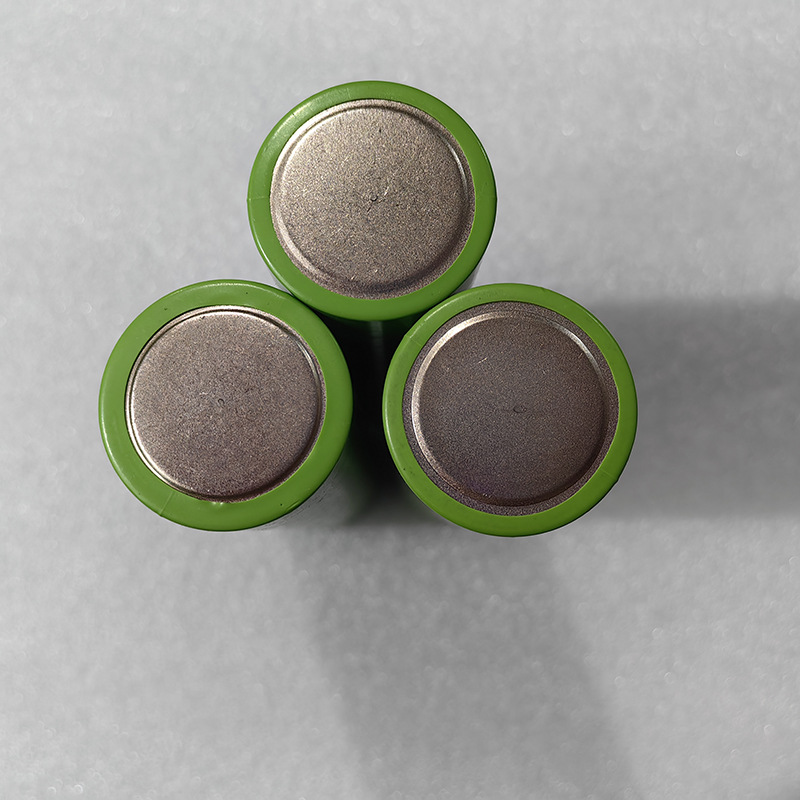
18650 NCM High Power Cells for Tools – BMS Compatibility Solved Wholesale
The power tool industry continues to evolve at an unprecedented pace, with manufacturers demanding battery solutions that deliver exceptional performance, reliability, and safety. Among the various lithium-ion technologies available, 18650 NCM (Nickel-Cobalt-Manganese) high power cells have emerged as the preferred choice for professional-grade power tools. This article addresses the critical BMS compatibility challenges that engineers and technical purchasers face when sourcing wholesale battery cells, providing actionable insights for optimal integration.
Understanding 18650 NCM High Power Cell Architecture
The 18650 designation refers to the cylindrical cell’s physical dimensions: 18mm diameter and 65mm length. NCM chemistry combines nickel, cobalt, and manganese in the cathode structure, offering an optimal balance between energy density, power output, and thermal stability. For power tool applications, high-power variants typically feature:
- Continuous discharge rates: 15A to 30A depending on cell specification
- Peak discharge capabilities: Up to 60A for brief high-torque operations
- Energy density: 200-260 Wh/kg for extended runtime
- Cycle life: 500-1000 full cycles at 80% depth of discharge
Recent industry developments, including Samsung SDI’s award-winning 25U-Power cell announced at CES 2026, demonstrate the technology’s maturity with 150W continuous discharge capability and tab-less design for minimized internal resistance.
BMS Compatibility: The Critical Integration Challenge
Battery Management System (BMS) compatibility remains the most significant hurdle in power tool battery pack development. Incompatible BMS configurations can lead to premature cell degradation, safety hazards, and warranty voids. Key compatibility factors include:
Voltage Window Alignment
NCM 18650 cells operate within a nominal 3.6V-3.7V range, with charging cutoff at 4.2V and discharge termination between 2.5V-2.75V. The BMS must precisely monitor each cell within these parameters to prevent overcharge or over-discharge conditions.
Current Sensing Accuracy
High-power tools demand BMS units capable of accurately measuring discharge currents exceeding 30A per cell. Precision shunt resistors and hall-effect sensors must be calibrated to the specific cell chemistry’s discharge characteristics.
Thermal Management Integration
NCM cells generate significant heat during high-current discharge. Advanced BMS solutions incorporate temperature sensors at multiple pack locations, triggering protective measures when cell temperatures exceed 60°C during operation or 45°C during charging.
Communication Protocol Standardization
Modern power tool platforms increasingly require CAN bus or UART communication between the battery pack and tool controller. Wholesale cell suppliers must provide comprehensive technical documentation including impedance profiles, OCV curves, and recommended balancing algorithms.
Wholesale Sourcing Considerations for Technical Buyers
When procuring 18650 NCM cells at wholesale volumes, technical purchasers must evaluate several critical factors beyond unit pricing:
Quality Certification: Verify that cells meet international safety standards including UN38.3, IEC62133, and UL1642. Reputable battery manufacturers in China maintain comprehensive quality management systems with traceability from raw materials to finished cells.
Capacity Grading: Wholesale lots should feature consistent capacity grading (typically ±50mAh tolerance) to ensure balanced pack performance. Request detailed test reports showing capacity distribution across production batches.
Impedance Matching: Cell internal resistance should be matched within 5mΩ for parallel configurations to prevent current imbalance during high-power discharge events.
Technical Support: Established suppliers provide engineering support for BMS integration, including recommended protection ICs, balancing circuit topologies, and thermal design guidelines. Explore available cylindrical battery cell options with comprehensive technical documentation.
Solving BMS Compatibility: Best Practices
Successful integration requires a systematic approach:
- Pre-Integration Testing: Conduct comprehensive cell characterization before BMS selection, measuring capacity, impedance, and self-discharge rates across temperature ranges.
- Prototype Validation: Build small-scale prototype packs (3S-5S configurations) to validate BMS algorithms before committing to production volumes.
- Supplier Collaboration: Engage cell manufacturers early in the design process. Professional suppliers offer application engineering support to optimize cell selection for specific tool requirements.
- Regulatory Compliance: Ensure complete battery pack systems meet target market regulations, including CE marking for Europe and FCC requirements for North America.
For detailed technical consultation on 18650 NCM cell selection and BMS integration, reach out through our contact page to connect with application engineering specialists.
Future Outlook: 2026 and Beyond
The 18650 NCM technology continues evolving with improvements in silicon-enhanced anodes, advanced coating techniques, and tab-less manufacturing processes. These developments promise higher power density while maintaining the form factor compatibility that makes 18650 cells ideal for existing power tool platforms.
Technical purchasers who prioritize BMS compatibility from the initial sourcing stage will achieve superior pack performance, extended product lifecycle, and reduced warranty costs. The wholesale market now offers mature solutions that balance performance, safety, and cost-effectiveness for professional power tool applications.
This technical overview provides foundational guidance for engineers and procurement specialists evaluating 18650 NCM high power cells for power tool applications. Always consult with qualified battery engineers and verify specifications against your specific application requirements before finalizing procurement decisions.