Here is the SEO-optimized article tailored for your requirements.
18650 LFP Low Temp – Winter Outdoor Performance
The Challenge of Cold: Why Standard Batteries Fail Outdoors
Winter is coming. Or perhaps, for many of our B2B partners, it’s already here. As temperatures drop, the performance metrics you rely on during summer months often vanish. This is not just an inconvenience; for industries relying on outdoor power solutions—be it electric bikes in Scandinavia, logistics robots in frozen warehouses, or remote monitoring sensors in the Rockies—it is a critical operational failure.
Standard Lithium Iron Phosphate (LFP) batteries are renowned for their safety and cycle life. However, their Achilles’ heel has traditionally been low-temperature performance. When the mercury dips below freezing (0°C / 32°F), standard LFP chemistries face a significant impedance increase. The electrolyte thickens, ion mobility slows, and what was a 100% State of Charge (SoC) can effectively read as 0% to your Battery Management System (BMS). The result? Sudden shutdowns, reduced range, and the dreaded “voltage sag” that leaves your equipment stranded.
But here is the good news: Standard LFP is not the only LFP. At CNS Battery, we have engineered specific 18650 LFP Low Temp variants to combat this exact physics problem.
The Science: Ion Mobility in the Cold
To understand how we fix the problem, we must first understand the enemy: viscosity.
In a lithium-ion cell, energy is created by lithium ions moving from the cathode to the anode (and vice versa) through a liquid electrolyte. At room temperature, this movement is fluid. However, as the temperature decreases, the viscosity of the electrolyte increases exponentially. Imagine trying to swim through honey versus water.
Standard LFP cells often use a standard EC/DMC (Ethylene Carbonate / Dimethyl Carbonate) solvent blend. While excellent for room temperature stability, this blend tends to solidify or become too viscous at low temperatures.
The Technical Fix:
Our 18650 LFP Low Temp cells utilize a proprietary low-viscosity electrolyte formulation. By adjusting the solvent ratio and adding specific low-freezing-point co-solvents, we lower the freezing point of the electrolyte. This allows the lithium ions to maintain sufficient mobility even at -20°C (-4°F) or lower.
The CNS Solution: Beyond Standard Specifications
We do not just sell batteries; we sell power continuity. Our 18650 LFP Low Temp series is designed specifically for OEMs and system integrators who cannot afford winter downtime.
1. The Performance Metrics
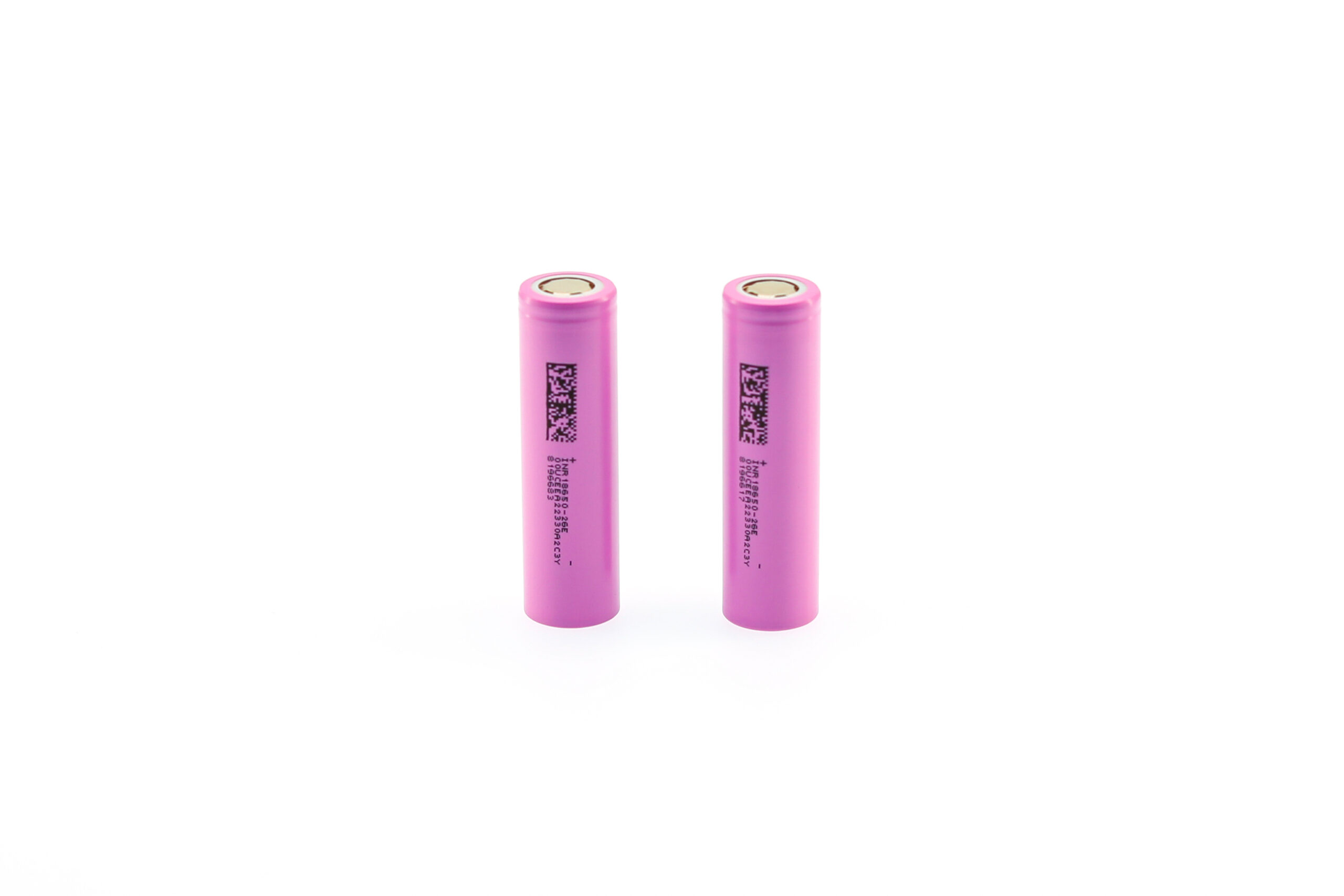
Our standard low-temperature 18650 LFP cells (specifically the INR18650-3500 and similar high-capacity variants) are engineered to perform where others fail.
| Feature | Standard LFP 18650 | CNS 18650 LFP Low Temp |
|---|---|---|
| Operating Temp (Discharge) | 0°C to 45°C | -20°C to 60°C |
| Capacity Retention @ -20°C | < 50% | > 85% |
| Internal Resistance @ -20°C | High (Risk of Voltage Sag) | Optimized (Stable Voltage) |
| Cycle Life | 2000+ Cycles | 2000+ Cycles (Maintained in Cold) |
2. Real-World Case Study: The Nordic E-Bike Fleet
One of our European partners operates a shared e-bike fleet in Oslo. Their previous solution used standard LFP packs. Every winter, they faced a 40% drop in fleet availability. Bikes would lock up mid-ride as the BMS cut power due to low voltage caused by the cold.
The Intervention: We replaced their standard 18650 modules with our INR18650-3300/3500 Low Temp variants.
The Result: The following winter, they reported zero cold-weather shutdowns. The bikes maintained 88% of their summer range, and customer complaints regarding “dead batteries” dropped to zero.
3. The “Anti-Sag” Design
Voltage sag is the primary killer of outdoor electronics in winter. When you draw current from a cold battery, the voltage drops rapidly. If it drops below the BMS cut-off threshold, the system shuts off, even if the battery is technically “full.”
Our 18650 LFP Low Temp cells feature a low-impedance design. By utilizing a modified cathode structure and a high-conductivity electrolyte, we ensure that even at -20°C, the voltage under load remains above the critical threshold of your equipment.
Technical Specifications & Applications
If you are looking to integrate 18650 LFP Low Temp technology into your next project, here are the core specifications you need to know.
Key Specifications
- Model: INR18650-3500 (Low Temp Variant)
- Nominal Voltage: 3.6V
- Nominal Capacity: 3500mAh (Min), 3600mAh (Typ)
- Energy: 12.6 Wh
- Max Continuous Discharge Current: 10A (Standard), 20A (High Rate Option)
- Operating Temperature:
- Charge: 0°C to 45°C (Charging below 0°C requires a pre-heat function)
- Discharge: -20°C to 60°C
- Storage Temperature: -20°C to 45°C
Note on Charging: While these cells can discharge in the cold, charging below 0°C is strictly prohibited for all lithium-ion chemistries, as it causes lithium plating. For true all-weather operation, your BMS must include a low-temperature charge cutoff or a heating function.
Target Applications
- Electric Bicycles & Scooters: Especially in regions with harsh winters.
- Cold Chain Logistics: RFID tags and GPS trackers on shipping containers.
- Outdoor Power Equipment: Robotic lawn mowers that operate in early spring or late autumn.
- Smart City Infrastructure: Parking sensors and traffic monitoring units.
Procurement & Engineering Support
Switching to a 18650 LFP Low Temp solution requires more than just buying cells; it requires system integration.
As a leading Battery Manufacturer in China, CNS Battery offers more than just off-the-shelf cells. We understand that your BMS is the brain, and the cell is the heart. If your current BMS has a low-voltage cut-off set for 3.0V, it may not be compatible with the voltage curve of a cold LFP cell.
What We Offer:
- Customized Electrolyte: We can tailor the electrolyte formula further for extreme cold (down to -30°C or -40°C) upon request.
- BMS Compatibility Testing: We provide detailed voltage curve data at low temperatures to help your engineers adjust the BMS parameters.
- Module Assembly: We can supply pre-assembled modules with the correct protection circuit.
If you are currently facing winter performance issues with your power systems, do not settle for “summer specs.” It is time to engineer for the cold.
Explore our full range of Cylindrical Battery Cells and see how our 18650 LFP Low Temp variants can solve your winter outdoor performance challenges.
Explore Cylindrical Battery Products
Contact our technical sales team today to request a sample or discuss your specific low-temperature requirements.
Why Choose CNS Battery?
With over two decades of experience since 1998, CNS Battery is not just another vendor in the vast landscape of Battery Manufacturers in China. We are a vertically integrated solution provider. From the raw material synthesis to the final pack assembly, we control the process. This allows us to guarantee the consistency and quality that B2B clients demand, especially when dealing with specialized chemistries like low-temperature LFP.