

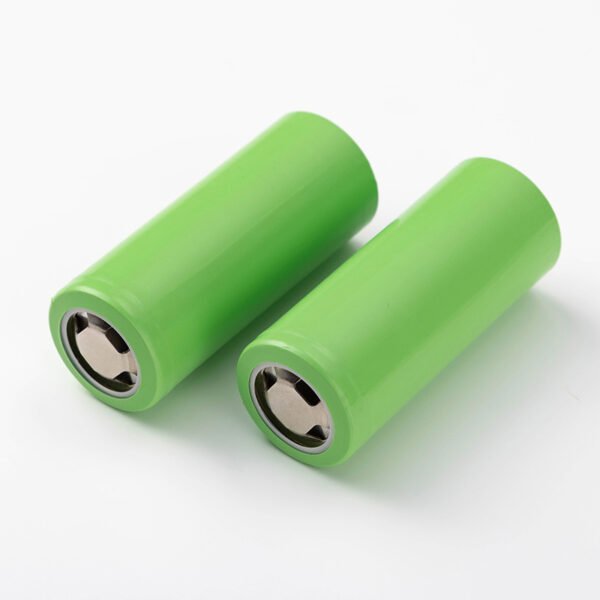
18650 LFP Cylindrical Battery for Solar Storage: Low Temperature Performance Solutions
Introduction
As solar energy adoption accelerates globally, energy storage systems (ESS) have become critical for maximizing renewable energy utilization. Among various battery chemistries, Lithium Iron Phosphate (LFP) cylindrical cells, particularly the 18650 format, have emerged as a reliable choice for solar storage applications. However, low temperature performance remains a key challenge that system integrators and procurement managers must address when deploying solar-plus-storage solutions in cold climates.
Understanding LFP Chemistry in Cold Environments
LFP batteries offer inherent safety advantages over NMC alternatives, including thermal stability and longer cycle life. However, standard LFP cells experience capacity reduction and increased internal resistance when operating below 0°C. At -20°C, conventional LFP cells may deliver only 50-60% of their rated capacity, significantly impacting solar storage efficiency during winter months.
The electrochemical reactions slow down in cold conditions, causing lithium plating risks during charging and reduced power output during discharge. This makes low temperature optimization essential for installations in Northern Europe, Canada, Northern US states, and high-altitude regions where ambient temperatures frequently drop below freezing.
Technical Solutions for Low Temperature Performance
1. Low Temperature Electrolyte Formulations
Advanced LFP cells incorporate specialized electrolyte additives that maintain ionic conductivity at sub-zero temperatures. These formulations reduce viscosity and improve lithium-ion mobility, enabling operation down to -30°C with minimal capacity loss.
2. Integrated Heating Systems
Modern battery management systems (BMS) now include self-heating capabilities that activate when temperatures drop below threshold levels. This pre-conditioning ensures optimal charging conditions before solar energy input begins each morning.
3. Thermal Insulation Design
Proper enclosure design with insulation materials helps maintain internal battery temperature, reducing energy consumption for active heating and extending operational efficiency during cold nights.
Compliance and Certification Requirements
For overseas B2B buyers, ensuring regulatory compliance is paramount. Key certifications include:
- UN38.3: Mandatory for lithium battery transportation
- IEC 62619: Safety requirements for secondary lithium cells in industrial applications
- UL 1973: Standard for stationary energy storage systems
- CE/ROHS: European market compliance
- REACH: Chemical substance regulations
Procurement teams should request complete certification documentation from manufacturers before finalizing orders. Non-compliant products may face customs delays or legal liabilities in destination markets.
Procurement Considerations for B2B Buyers
Capacity Verification: Request third-party testing reports confirming rated capacity at various temperature ranges. Reputable manufacturers provide detailed performance curves.
Cycle Life Expectations: Quality 18650 LFP cells should deliver 3000-5000 cycles at 80% depth of discharge under standard conditions. Low temperature operation may reduce this figure by 15-20%.
Warranty Terms: Standard warranties cover 5-10 years or specific cycle counts. Ensure warranty terms explicitly address low temperature performance guarantees.
Supply Chain Transparency: Verify manufacturer credentials and production capacity. Established suppliers maintain consistent quality control and can scale production for large projects.
Customization Options: Some manufacturers offer customized BMS programming for specific climate conditions, optimizing charge/discharge parameters for local temperature profiles.
Real-World Application Cases
Case 1: Nordic Residential Solar Storage
A 500-home community in Sweden deployed 18650 LFP battery systems with integrated heating. Despite winter temperatures reaching -25°C, the systems maintained 85% capacity retention through automated thermal management, achieving 92% solar energy utilization year-round.
Case 2: Canadian Remote Telecom Station
Off-grid telecommunications infrastructure in Northern Canada required reliable energy storage operating at -40°C. Specialized low-temperature LFP cells with enhanced electrolyte formulations enabled continuous operation without backup generators, reducing operational costs by 60%.
Case 3: Alpine Monitoring Equipment
Environmental monitoring stations in the Swiss Alps utilize 18650 LFP packs with passive insulation and minimal active heating. The design balances energy consumption for heating against available solar input, ensuring year-round functionality.
Selection Guidelines for System Integrators
When evaluating 18650 LFP cells for solar storage projects, consider the following checklist:
- Minimum operating temperature specification
- Capacity retention rate at lowest expected temperature
- BMS low-temperature protection features
- Manufacturer’s track record in cold climate installations
- Available technical support for system integration
- Lead times and minimum order quantities
- After-sales service and replacement policies
Conclusion
18650 LFP cylindrical batteries represent a mature, cost-effective solution for solar energy storage, provided low temperature challenges are properly addressed. Through advanced cell chemistry, intelligent thermal management, and proper system design, operators can achieve reliable performance even in harsh cold climates.
For procurement professionals and system integrators seeking qualified suppliers, thorough due diligence on manufacturer capabilities, certification compliance, and real-world performance data is essential. Partnering with experienced manufacturers ensures access to technical support, consistent quality, and long-term supply reliability.
To explore certified 18650 LFP cylindrical battery solutions for your solar storage projects, visit our product catalog or learn more about qualified battery manufacturers in China. For technical consultations and customized quotations, please contact our team directly.
Investing in properly specified low-temperature LFP batteries today ensures your solar storage systems deliver optimal performance throughout their operational lifetime, regardless of climate conditions.


