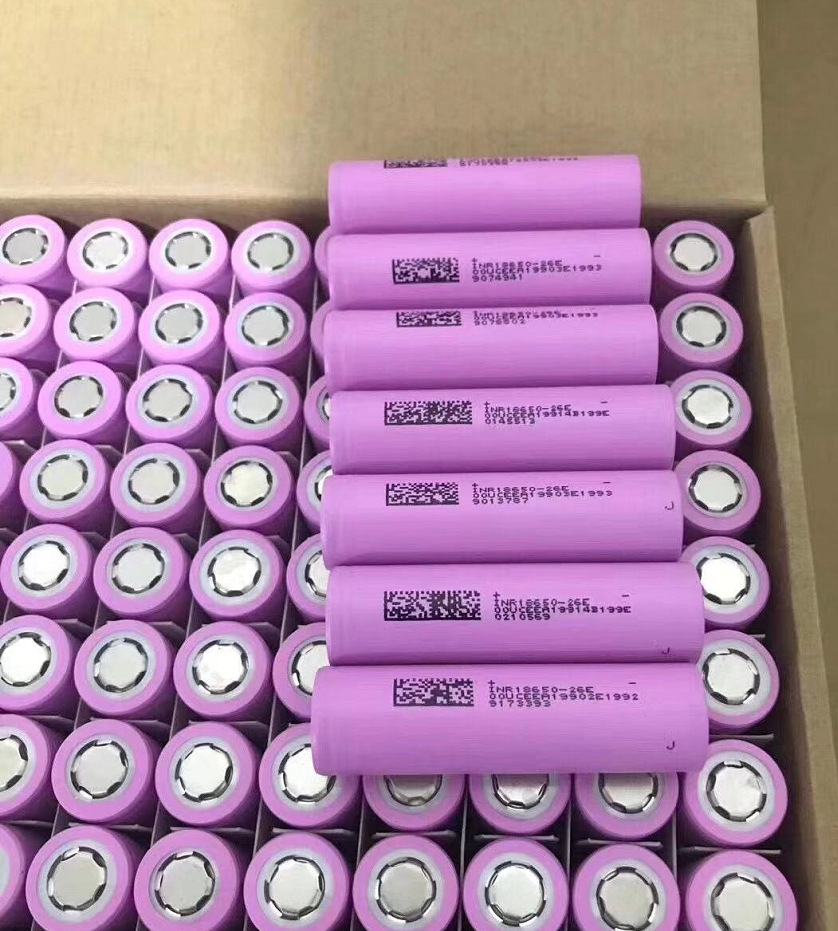
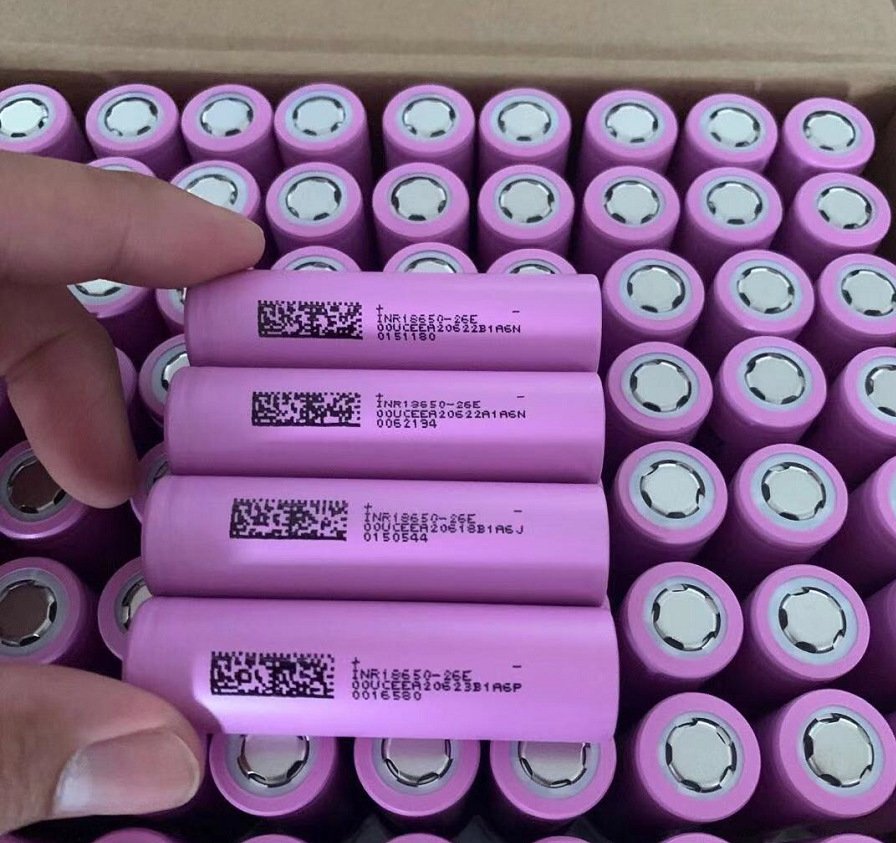
18650 LFP Cylindrical Battery for Power Tools – Zero Swelling Issues Top 5 Problems & Solutions
The shift toward Lithium Iron Phosphate (LFP) chemistry in the power tool industry is driven by an urgent demand for safety and longevity. While traditional NMC (Nickel Manganese Cobalt) cells offer higher energy density, they are prone to thermal runaway and gas generation under stress. For B2B purchasers and engineers, the promise of 18650 LFP cylindrical batteries with zero swelling issues is compelling. However, transitioning to LFP requires addressing specific technical integration challenges. This article outlines the top five problems encountered when deploying 18650 LFP cells in power tools and provides actionable solutions to ensure reliability and compliance.
1. Voltage Platform Mismatch
Problem: The most immediate hurdle is the nominal voltage difference. Standard 18650 NMC cells operate at 3.6V or 3.7V, whereas LFP cells nominal voltage is 3.2V. A 5-series (5S) pack designed for NMC (18V nominal) will only deliver 16V with LFP, potentially causing motor torque issues or triggering low-voltage cutoffs prematurely.
Solution: Pack designers must reconfigure the series count. For an 18V class tool, moving from 5S to 6S is often necessary to match the voltage window (21.9V max for LFP vs 21V for NMC). This ensures compatibility with existing motor drivers without sacrificing power output. Procurement teams should verify voltage curves during the prototyping phase to avoid field failures.
2. High-Current Discharge Limitations
Problem: Power tools demand high pulse discharge rates, often exceeding 20A per cell during startup or heavy load. Not all LFP chemistries are created equal; energy-grade LFP cells may experience significant voltage sag or overheating under high C-rates, mimicking failure even if swelling does not occur.
Solution: Specify power-grade 18650 LFP cells designed for high drain. When sourcing, look for continuous discharge ratings of at least 3C to 5C. Reputable suppliers offer cells with optimized electrode coatings to reduce internal resistance. For detailed specifications on high-drain cylindrical options, review the technical data at https://cnsbattery.com/products-3/cylindrical-battery-cell/ to ensure the cells match your tool’s peak current requirements.
3. Low-Temperature Performance
Problem: LFP chemistry is known to suffer from reduced capacity and charging acceptance in temperatures below 0°C. In cold chain logistics or outdoor construction environments, this can lead to perceived battery failure or inability to charge on-site.
Solution: Implement thermal management strategies within the battery pack. This includes internal heating elements or insulation designs. Additionally, select LFP variants doped for improved low-temperature performance. BMS (Battery Management System) logic must be updated to prevent charging below 0°C to avoid lithium plating, which can eventually lead to internal short circuits and swelling.
4. BMS Compatibility and Calibration
Problem: Swelling is often a symptom of overcharging. Since LFP has a flatter voltage curve than NMC, standard fuel gauges calibrated for NMC may inaccurately estimate State of Charge (SoC). This can lead to overcharging at the top end, generating gas and causing cell expansion.
Solution: Utilize a BMS specifically calibrated for LFP chemistry. The charging cutoff voltage must be strictly limited to 3.65V per cell. Advanced BMS units should employ Coulomb counting rather than relying solely on voltage for SoC estimation. Ensuring precise balancing across the pack is critical to prevent individual cells from overstressing.
5. Manufacturing Quality and Swelling Risks
Problem: While LFP is inherently safer, “zero swelling” is only achievable with high-quality manufacturing. Poor electrolyte formulation, inadequate sealing, or moisture contamination during cell assembly can still cause gas generation and swelling, even in LFP chemistry.
Solution: Rigorous supplier vetting is essential. Partner with manufacturers who adhere to strict ISO standards and provide traceability. Quality control measures should include X-ray inspection and leak testing. For businesses seeking reliable supply chains, understanding the landscape of https://cnsbattery.com/battery-manufacturers-in-china/ can help identify partners with proven track records in cylindrical cell production. Consistent quality assurance prevents the rare but possible swelling issues associated with substandard production.
Procurement and Compliance Considerations
For overseas buyers, compliance with local regulations (such as UN38.3, IEC62133, and UL standards) is non-negotiable. LFP batteries generally pass thermal abuse tests more easily than NMC, simplifying the certification process. However, documentation must be accurate. When finalizing purchases, ensure the supplier provides full test reports and MSDS sheets.
Conclusion
Adopting 18650 LFP cylindrical batteries for power tools offers a strategic advantage in safety and cycle life, effectively mitigating swelling risks when managed correctly. By addressing voltage configuration, discharge rates, temperature resilience, BMS calibration, and manufacturing quality, B2B stakeholders can deploy robust battery systems.
For further technical consultation or to discuss custom pack solutions, please reach out via our contact page at https://cnsbattery.com/contact-2/. Ensuring the right cell selection and partner alignment is the key to unlocking the full potential of LFP technology in demanding power tool applications.