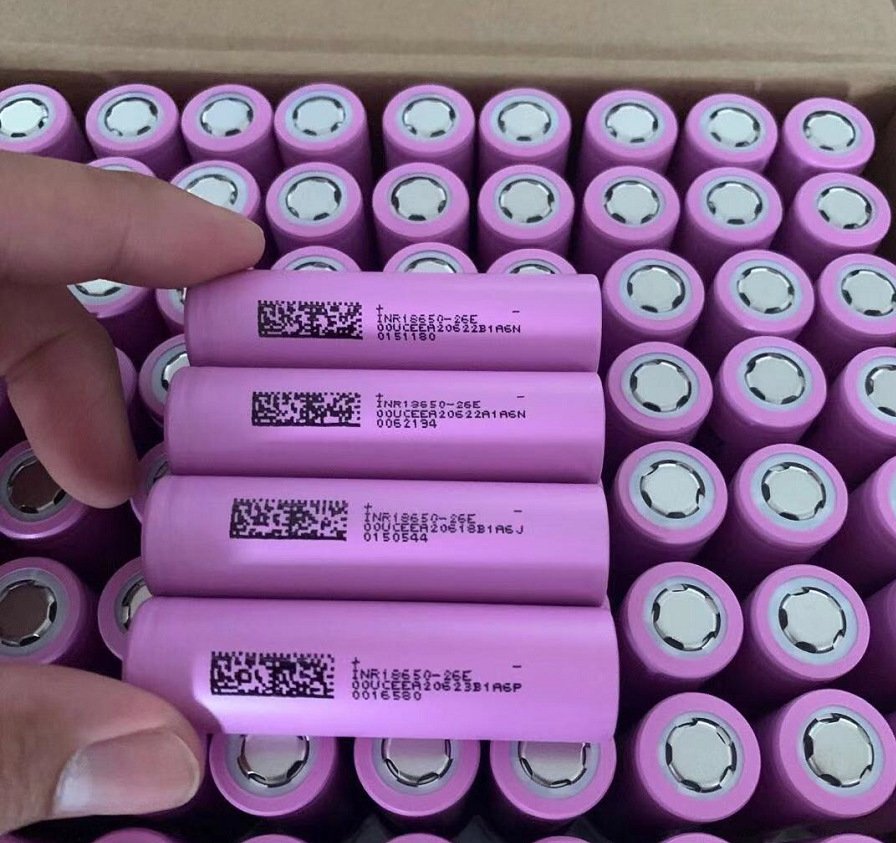
18650 LFP Cylindrical Battery for Power Tools – Low Self-Discharge OEM Custom Solutions
The demand for reliable, high-performance power tool batteries continues to surge across industrial and consumer markets. Among various lithium-ion chemistries, 18650 LFP (Lithium Iron Phosphate) cylindrical batteries have emerged as a preferred choice for manufacturers seeking optimal safety, longevity, and low self-discharge characteristics. This article explores the technical advantages of 18650 LFP cells for power tool applications and examines how OEM custom solutions can meet specific engineering requirements.
Understanding LFP Chemistry Fundamentals
Lithium Iron Phosphate (LiFePO₄) chemistry distinguishes itself through its olivine crystal structure, which provides exceptional thermal and chemical stability. Unlike NMC or NCA chemistries, LFP cathodes maintain structural integrity during repeated lithium-ion intercalation and de-intercalation cycles. This inherent stability translates to reduced thermal runaway risk—a critical consideration for power tools operating in demanding environments.
The nominal voltage of LFP cells stands at 3.2V, slightly lower than the 3.6-3.7V of conventional lithium-ion batteries. However, this trade-off delivers superior cycle life, often exceeding 2,000-5,000 full charge-discharge cycles while retaining 80% capacity. For power tool manufacturers, this means extended product lifespan and reduced warranty claims.
Low Self-Discharge: A Critical Advantage for Power Tools
One of the most compelling features of 18650 LFP cylindrical cells is their exceptionally low self-discharge rate, typically ranging from 1-3% per month under standard storage conditions. This characteristic addresses a persistent pain point in the power tool industry: battery degradation during inventory storage or intermittent use periods.
The low self-discharge phenomenon stems from the stable solid-electrolyte interphase (SEI) layer formed on the anode surface. In LFP chemistry, this layer exhibits minimal electrolyte decomposition reactions during idle periods. For distributors and end-users, this means power tools remain ready for operation even after months of storage, reducing customer complaints and enhancing brand reputation.
OEM Custom Solutions: Tailoring Performance to Application Needs
Professional power tool manufacturers require more than off-the-shelf battery solutions. OEM custom configurations enable precise alignment with specific voltage, capacity, and discharge rate requirements. Key customization parameters include:
- Capacity Optimization: Standard 18650 LFP cells range from 1,500mAh to 2,500mAh. Custom cell designs can optimize energy density while maintaining safety margins.
- Discharge Rate Configuration: Power tools demand high C-rate discharge capabilities. Custom BMS integration ensures optimal current delivery without compromising cell longevity.
- Thermal Management: Custom pack designs incorporate thermal pathways suited to specific tool housings and usage patterns.
- Connector and Form Factor: Ergonomic considerations drive custom terminal configurations and pack geometries.
Manufacturers seeking reliable OEM partnerships should evaluate potential suppliers on technical capability, quality certification, and production scalability. Comprehensive information about qualified battery manufacturers in China can guide sourcing decisions for global procurement teams.
Technical Specifications for Power Tool Applications
When selecting 18650 LFP cylindrical cells for power tool integration, engineers should prioritize the following specifications:
| Parameter | Typical Range | Application Consideration |
|---|---|---|
| Nominal Capacity | 1,500-2,500mAh | Determines runtime per charge |
| Continuous Discharge | 10-30A | Matches motor power requirements |
| Peak Discharge | 30-60A (10s) | Handles startup torque demands |
| Operating Temperature | -20°C to 60°C | Ensures performance in varied climates |
| Cycle Life | 2,000-5,000 cycles | Impacts total cost of ownership |
These parameters must be validated through application-specific testing protocols. Reputable suppliers provide comprehensive technical documentation and sample cells for prototype validation. Detailed product specifications are available through dedicated cylindrical battery cell resources.
Quality Assurance and Certification Compliance
Power tool batteries operate under stringent regulatory frameworks across different markets. Essential certifications include UN38.3 (transportation safety), IEC62133 (cell safety), UL1642 (US market), and CE marking (European compliance). OEM partners should demonstrate full traceability from raw material sourcing through final cell assembly.
Quality assurance protocols encompass incoming material inspection, in-process monitoring, and final performance validation. Statistical process control (SPC) methodologies ensure batch-to-batch consistency, critical for maintaining power tool performance standards across production volumes.
Supply Chain Considerations for Global Manufacturers
Global power tool brands must balance cost optimization with supply chain resilience. Chinese manufacturing hubs offer competitive pricing without compromising quality, provided proper due diligence is conducted. Key evaluation criteria include production capacity, lead time reliability, and after-sales technical support.
Establishing direct communication channels with manufacturing partners streamlines problem resolution and accelerates product development cycles. For procurement teams initiating supplier qualification processes, comprehensive contact information facilitates direct engagement with technical sales representatives.
Conclusion: Strategic Battery Selection for Competitive Advantage
The integration of 18650 LFP cylindrical batteries into power tool designs represents a strategic decision impacting product performance, customer satisfaction, and brand positioning. The combination of low self-discharge characteristics, extended cycle life, and inherent safety makes LFP chemistry particularly suited for professional-grade power tools.
Manufacturers who partner with capable OEM suppliers gain access to custom engineering support, consistent quality, and scalable production capacity. As the power tool market continues evolving toward cordless solutions, battery technology selection becomes an increasingly critical differentiator. Technical teams should prioritize comprehensive supplier evaluation, application-specific validation, and long-term partnership potential when selecting battery solutions for next-generation power tool platforms.