18650 LFP Cylindrical Battery for EV – Thermal Runaway Prevention B2B Export
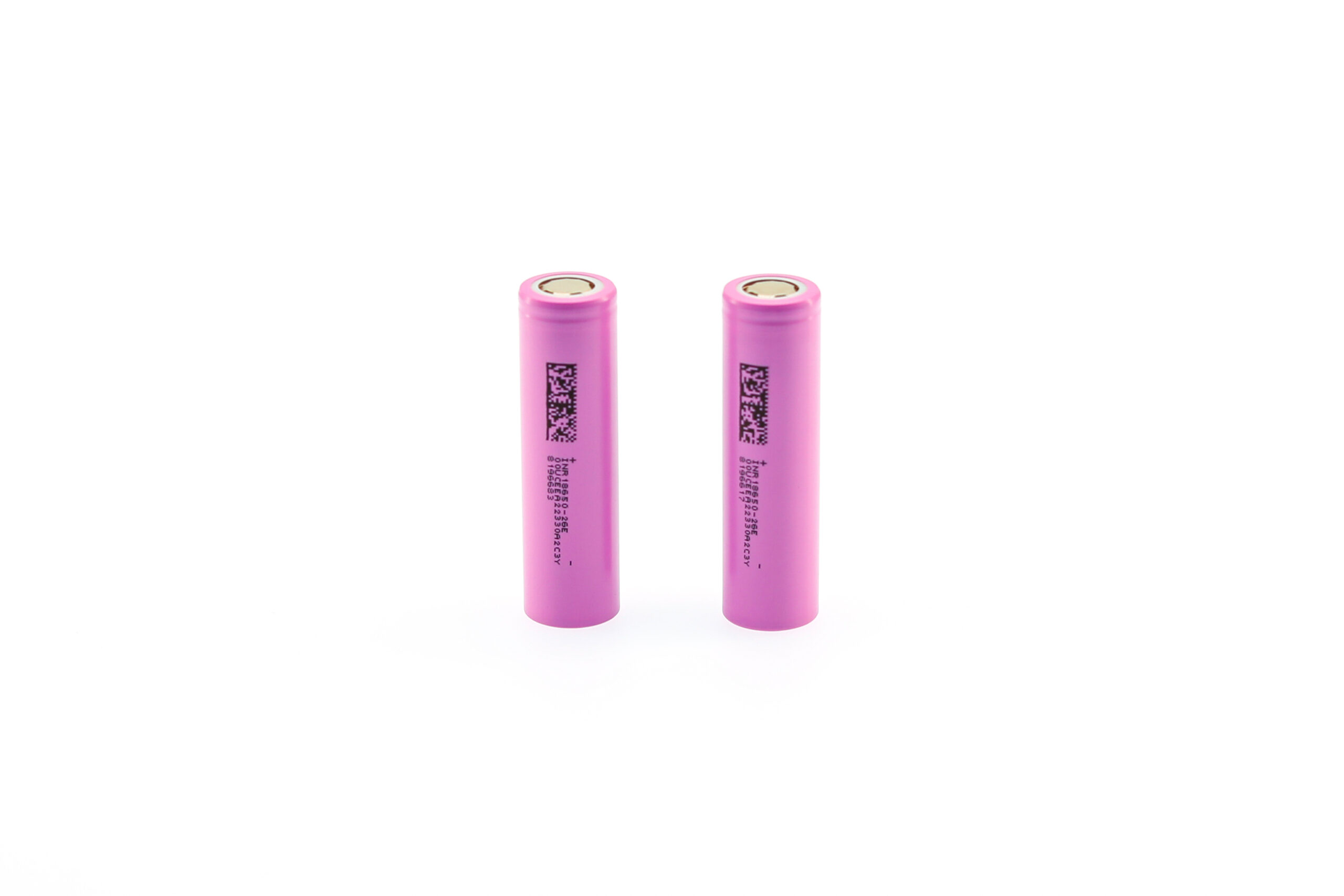
The electric vehicle (EV) industry continues its rapid global expansion, with battery safety remaining the paramount concern for manufacturers, fleet operators, and procurement specialists worldwide. Among various battery chemistries, 18650 LFP (Lithium Iron Phosphate) cylindrical cells have emerged as the preferred choice for commercial EV applications, particularly due to their superior thermal stability and thermal runaway prevention capabilities. This article addresses B2B buyers seeking reliable battery solutions for international export markets.
Why LFP Chemistry Leads in Thermal Safety
Lithium Iron Phosphate chemistry fundamentally differs from NMC or NCA alternatives in crystal structure stability. The P-O bonds in LFP cathodes require significantly higher energy to break, making thermal runaway initiation temperatures approximately 200°C higher than conventional lithium-ion chemistries. For B2B procurement teams evaluating battery suppliers, this translates to reduced liability exposure and enhanced end-user safety compliance across diverse regulatory environments.
The cylindrical 18650 form factor further enhances safety through mechanical robustness. Each cell operates independently within battery packs, preventing cascading failures. This modular design allows thermal management systems to isolate affected cells without compromising entire pack functionality—a critical requirement for commercial EV fleets operating in extreme climate conditions from Southeast Asia to Northern Europe.
Key Technical Specifications for B2B Evaluation
Professional buyers should verify the following parameters when sourcing 18650 LFP cells:
- Operating Temperature Range: Quality LFP cells maintain performance between -20°C to 60°C, with thermal runaway thresholds exceeding 270°C
- Cycle Life: Premium-grade cells deliver 3000-5000 full cycles at 80% depth of discharge
- Energy Density: Typically 90-120 Wh/kg, balancing safety with practical range requirements
- Internal Resistance: Below 35mΩ ensures efficient heat dissipation during high-current operations
Manufacturers implementing rigorous quality control achieve consistent cell-to-cell variance below 3%, essential for pack-level thermal management efficiency. For comprehensive product specifications, visit our cylindrical battery cell catalog.
Thermal Runaway Prevention Mechanisms
Advanced 18650 LFP cells incorporate multiple safety layers:
1. Ceramic-Coated Separators: Prevent internal short circuits even under mechanical deformation or elevated temperatures.
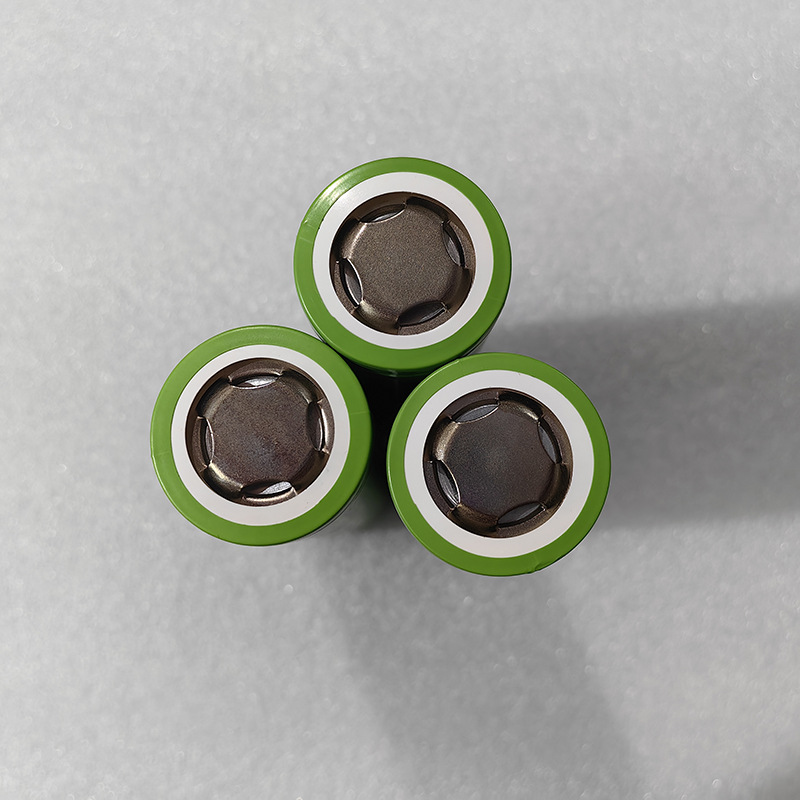
2. Pressure Relief Vents: Designed to release internal pressure predictably before catastrophic failure, directing gas emission away from adjacent cells.
3. Positive Temperature Coefficient (PTC) Devices: Automatically increase resistance when temperatures exceed safe thresholds, limiting current flow during abnormal conditions.
4. Battery Management System (BMS) Integration: Real-time monitoring of voltage, temperature, and current across each cell enables proactive thermal management before critical thresholds are reached.
B2B Export Considerations for Global Markets
International battery procurement requires compliance with region-specific certifications. European buyers require UN38.3, IEC62619, and CE marking. North American markets demand UL1642 and UL2580 certifications. Asian markets vary by country, with Japan requiring PSE marks and Korea demanding KC certification.
Reputable manufacturers maintain production facilities certified under ISO9001, ISO14001, and IATF16949 standards. These certifications demonstrate systematic quality management and environmental responsibility—increasingly important for corporate sustainability reporting requirements.
Supply chain transparency remains critical for B2B transactions. Buyers should verify raw material sourcing, particularly cobalt-free LFP chemistry alignment with ESG commitments. Manufacturing traceability through batch-level documentation supports warranty claims and regulatory audits throughout the battery lifecycle.
Partner Selection Criteria for Long-Term Supply
When evaluating battery manufacturers, consider production capacity scalability, technical support availability, and after-sales service infrastructure. Established partners provide engineering support for pack integration, thermal management design, and regulatory compliance documentation.
For verified manufacturer credentials and production capabilities, explore battery manufacturers in China with proven export track records. Direct communication channels ensure responsive support throughout procurement cycles and product lifecycle management.
Conclusion
18650 LFP cylindrical batteries represent the optimal balance between safety, performance, and commercial viability for EV applications. Thermal runaway prevention capabilities reduce operational risks while meeting increasingly stringent global safety regulations. B2B buyers prioritizing verified specifications, certified manufacturing processes, and transparent supply chains position themselves for sustainable growth in the expanding electric mobility market.
For detailed technical consultations and customized procurement solutions, contact our international sales team through our contact page. Our engineering specialists provide comprehensive support from initial specification review through production delivery and after-sales technical assistance.
This article serves informational purposes for B2B procurement professionals. All technical specifications should be verified through official documentation and sample testing before commercial deployment.