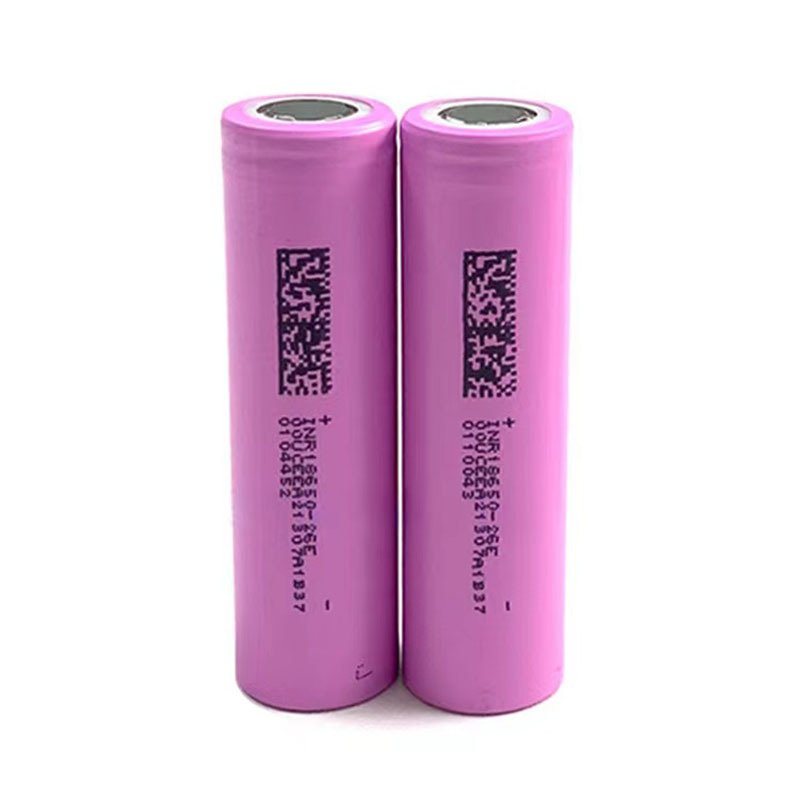
18650 LFP Cylindrical Battery for ESS – Thermal Runaway Prevention Ultimate Guide
Introduction
As global energy storage system (ESS) deployments surge—with 2025 installations exceeding 300GWh and projected 50% growth continuing into 2026—safety remains the paramount concern for engineers and technical procurers. Among lithium battery chemistries, 18650 LFP (Lithium Iron Phosphate) cylindrical cells have emerged as the preferred choice for stationary storage applications, offering superior thermal stability compared to NCM alternatives. This comprehensive guide addresses thermal runaway prevention mechanisms, detection methodologies, and best practices for ESS deployment.
Understanding Thermal Runaway in LFP Chemistry
Thermal runaway represents a catastrophic, self-accelerating exothermic reaction within lithium battery cells. While LFP chemistry inherently demonstrates higher thermal stability—with decomposition temperatures exceeding 270°C compared to 150°C for NCM—prevention protocols remain critical for large-scale ESS installations.
The thermal runaway process unfolds in three distinct phases:
Phase 1 – Initiation Stage: Internal temperature rises due to external heat exposure, overcharging, or internal short circuits. The SEI (Solid Electrolyte Interphase) layer begins decomposing around 80-120°C.
Phase 2 – Gas Generation Stage: Electrolyte decomposition produces combustible gases (CO, CO₂, H₂), causing cell swelling and pressure buildup. This stage provides critical detection windows for intervention.
Phase 3 – Propagation Stage: Uncontrolled temperature escalation beyond 200°C triggers separator meltdown, leading to direct electrode contact and potential fire propagation across battery modules.
Core Prevention Strategies for 18650 LFP ESS
1. Cell-Level Safety Design
Modern 18650 LFP cells incorporate multiple intrinsic safety features including CID (Current Interrupt Device), PTC (Positive Temperature Coefficient) elements, and pressure relief vents. When selecting cylindrical cells for ESS applications, verify manufacturers implement these protective mechanisms according to IEC 62619 and UL 1973 standards. Professional cylindrical battery cell suppliers provide comprehensive certification documentation for compliance verification.
2. Thermal Management Systems
Effective thermal management maintains cell temperatures within optimal operating ranges (15-35°C). Air cooling systems suit smaller installations, while liquid cooling becomes essential for megawatt-scale deployments. Temperature differential between cells should not exceed 3°C to prevent accelerated degradation and thermal imbalance.
3. Early Detection Mechanisms
Multi-parameter monitoring systems provide earliest possible thermal runaway identification:
- Voltage Monitoring: Sudden voltage drops indicate internal short circuits
- Temperature Sensors: Rate-of-rise detection (>1°C/second) triggers alerts before critical thresholds
- Gas Detection: CO and H₂ sensors identify electrolyte decomposition during Phase 2
- Pressure Monitoring: Cell swelling detection provides intermediate warning signals
- Internal Resistance Tracking: Impedance changes reveal developing faults
4. Module-Level Containment
Physical separation between cells and modules prevents thermal propagation. Fire-resistant barriers, thermal insulation materials, and adequate spacing (minimum 10mm between cells) limit cascade failures. ESS enclosure designs should incorporate explosion venting mechanisms directing pressure waves away from personnel and equipment.
5. BMS Intelligence
Advanced Battery Management Systems implement predictive algorithms analyzing historical performance data, identifying anomalies before thermal events occur. Machine learning-enhanced BMS platforms detect subtle parameter deviations indicating cell degradation or manufacturing defects.
Industry Best Practices for ESS Deployment
Manufacturing Quality Control: Partner with established battery manufacturers in China maintaining ISO 9001 certification and automated production lines ensuring consistent cell quality. Request batch testing reports including capacity verification, internal resistance matching, and self-discharge rates.
Installation Protocols: Follow manufacturer torque specifications for busbar connections. Loose connections generate localized heating, potentially initiating thermal events. Implement regular thermal imaging inspections identifying hot spots during operation.
Maintenance Schedules: Quarterly BMS data analysis, annual capacity testing, and biennial cell sampling prevent unexpected failures. Document all maintenance activities for warranty compliance and insurance requirements.
Emergency Response Planning: Develop site-specific procedures addressing thermal event scenarios. Training programs should cover evacuation protocols, fire suppression system activation, and post-incident investigation procedures.
Conclusion
18650 LFP cylindrical batteries represent the optimal balance between safety, cost-effectiveness, and performance for stationary ESS applications. While inherent LFP chemistry provides superior thermal stability, comprehensive prevention systems combining cell-level protections, intelligent monitoring, and proper installation practices ensure maximum operational safety.
As the energy storage industry matures through 2026 and beyond, adherence to established safety protocols becomes increasingly critical for project bankability and insurance compliance. Technical teams should prioritize partnerships with qualified manufacturers providing complete safety documentation and ongoing technical support.
For detailed technical specifications, certification documentation, or custom ESS battery solutions, professional consultation ensures optimal system design matching your specific application requirements. Reach out through our contact page for engineering support and procurement guidance tailored to your energy storage projects.
This guide reflects current industry standards and best practices as of 2026. Always consult manufacturer specifications and local regulatory requirements for your specific ESS deployment.