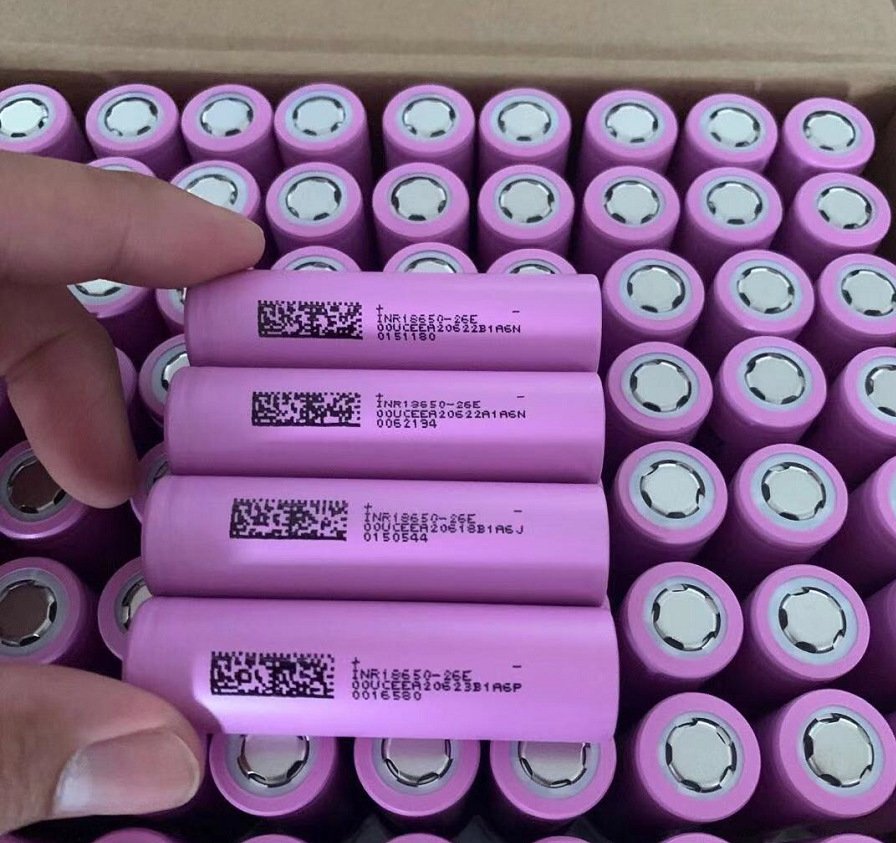
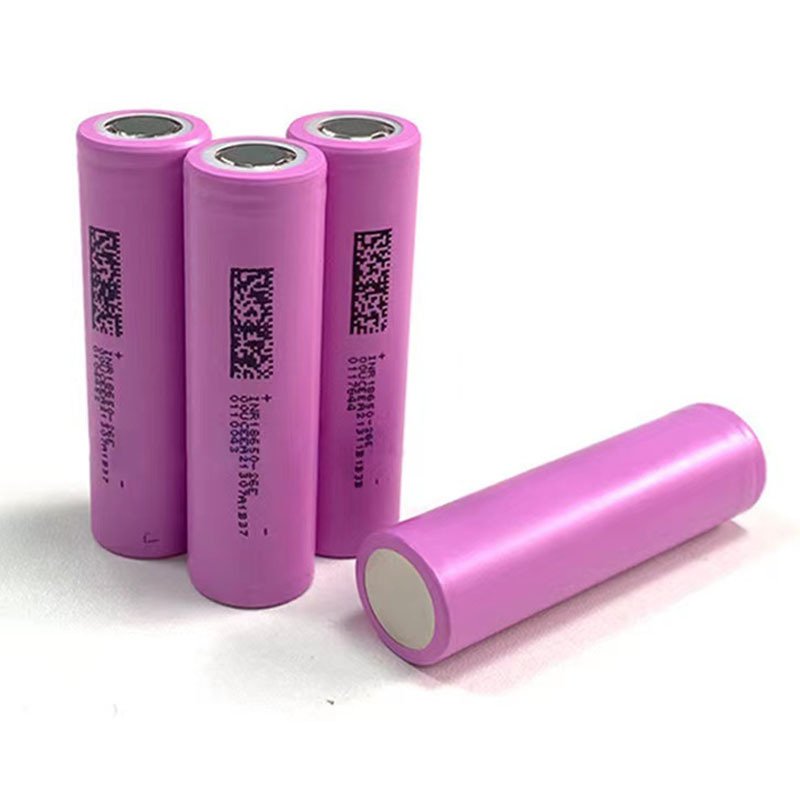
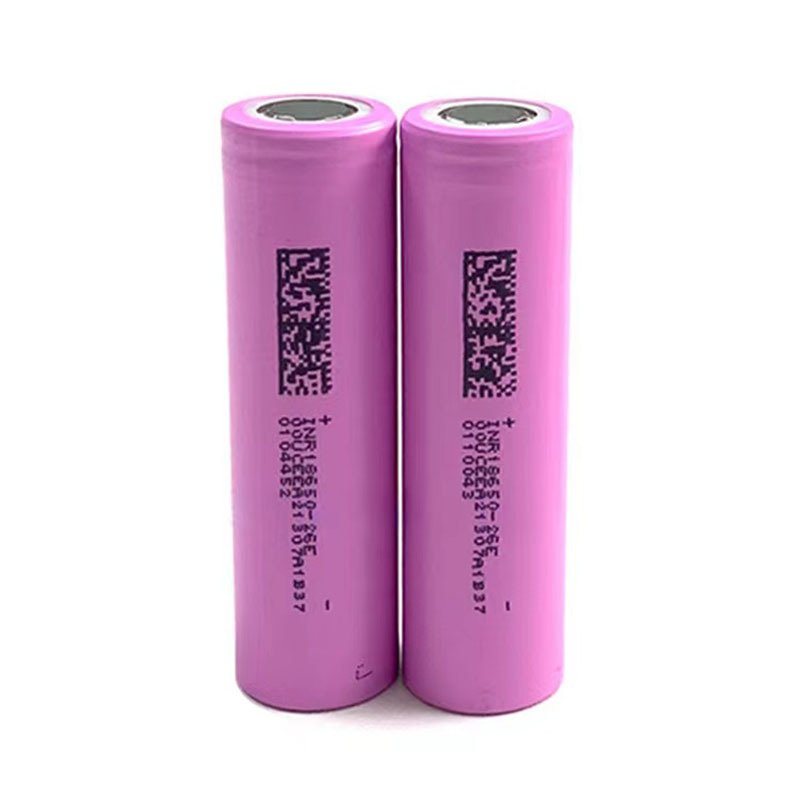
18650 LFP Cylindrical Battery for ESS – Low MOQ Ideal for Manufacturers
Introduction
The energy storage system (ESS) market is experiencing unprecedented growth globally, driven by renewable energy integration and grid stabilization demands. Among various battery chemistries, 18650 LFP (Lithium Iron Phosphate) cylindrical batteries have emerged as a preferred choice for manufacturers seeking reliable, safe, and cost-effective solutions. This article provides a comprehensive technical analysis of 18650 LFP cells specifically designed for ESS applications, with focus on parameter advantages, testing methodologies, and regional compliance requirements for manufacturers worldwide.
Technical Parameter Advantages
1. Enhanced Safety Profile
LFP chemistry inherently offers superior thermal stability compared to NMC or NCA alternatives. The olivine crystal structure of LiFePO₄ provides strong P-O bonds that resist thermal runaway even at temperatures exceeding 270°C. For ESS installations in residential or commercial settings, this translates to reduced fire risk and lower insurance costs.
2. Extended Cycle Life
Quality 18650 LFP cells deliver 3,000-5,000 full cycles at 80% depth of discharge (DOD), significantly outperforming traditional lithium-ion variants. This extended lifespan reduces total cost of ownership (TCO) for ESS projects, making them economically viable for long-term deployments.
3. Consistent Voltage Platform
The flat discharge curve of LFP chemistry (approximately 3.2V nominal) simplifies battery management system (BMS) design and enables more accurate state-of-charge (SOC) estimation. This characteristic is particularly valuable for grid-tied ESS applications requiring precise power delivery.
4. Low MOQ Flexibility
Manufacturers transitioning from prototype to production benefit from low minimum order quantities (MOQ), allowing scalable procurement without excessive inventory risk. This flexibility is crucial for emerging ESS integrators testing market viability before large-scale commitments. For detailed product specifications, visit Cylindrical Battery Cell.
Critical Testing Methodologies
1. Cycle Life Testing (IEC 62619)
Standardized cycle testing should follow IEC 62619 protocols, conducting charge-discharge cycles at 1C rate under controlled temperature conditions (25±2°C). Capacity retention should exceed 80% after specified cycle counts, with regular impedance monitoring to detect degradation patterns.
2. Thermal Abuse Testing
UN 38.3 transportation requirements mandate thermal testing from -40°C to +85°C. Additional nail penetration and overcharge tests validate safety margins for ESS installations in varying climatic zones.
3. Electrical Performance Validation
Key parameters include:
- Internal Resistance: Should remain below 35mΩ for optimal efficiency
- Self-Discharge Rate: Less than 3% per month at 25°C
- Capacity Consistency: ±2% variance within production batches
4. BMS Compatibility Testing
Integration testing with common BMS platforms ensures accurate cell balancing, over-voltage protection, and temperature monitoring. This step is critical for preventing premature cell degradation in series-parallel configurations.
Regional Compliance and Technical Barriers
European Union (CE/UN 38.3)
ESS manufacturers targeting EU markets must comply with CE marking requirements, including EMC Directive 2014/30/EU and Low Voltage Directive 2014/35/EU. The upcoming EU Battery Regulation (2023) introduces carbon footprint disclosure requirements, favoring LFP chemistry due to lower cobalt content.
United States (UL 1973/UL 9540)
North American installations require UL 1973 certification for stationary applications and UL 9540 for complete energy storage systems. These standards emphasize fire propagation testing and thermal runaway containment, where LFP chemistry demonstrates inherent advantages.
Asia-Pacific (IEC 62619/JIS C 8715)
Growing ESS markets in Australia, Japan, and South Korea follow IEC 62619 standards with regional variations. Temperature tolerance specifications often exceed European requirements due to extreme climatic conditions in certain regions.
Manufacturing Quality Considerations
When sourcing 18650 LFP cells, manufacturers should verify supplier certifications including ISO 9001, ISO 14001, and IATF 16949 for automotive-grade quality systems. Chinese manufacturers have significantly improved production consistency, with leading facilities achieving automated production lines and comprehensive quality control protocols. For information about reliable battery manufacturers, explore Battery Manufacturers in China.
Conclusion
The 18650 LFP cylindrical battery represents an optimal balance of safety, longevity, and cost-effectiveness for ESS applications. Manufacturers benefit from low MOQ flexibility while maintaining compliance with international safety standards. As regional regulations continue evolving, particularly in EU and US markets, LFP chemistry positions itself as the preferred solution for sustainable energy storage deployments.
For technical consultations and procurement inquiries, contact our engineering team at Contact Page to discuss your specific ESS project requirements and receive customized solutions aligned with your regional compliance needs.
Key Takeaways for Technical Procurement:
- Verify cycle life claims through independent third-party testing
- Ensure supplier maintains relevant regional certifications
- Request batch consistency data before large-scale orders
- Consider total cost of ownership beyond initial purchase price
- Evaluate BMS compatibility during prototype phase
The transition to renewable energy infrastructure demands reliable storage solutions. 18650 LFP cylindrical batteries deliver the technical performance and regulatory compliance necessary for successful ESS deployments across global markets.