The Ultimate Guide to 18650 LFP Cylindrical Batteries for Electric Motorcycles
As the global electric motorcycle market accelerates, the demand for high-performance, safe, and durable power sources has never been higher. Among the myriad of battery options available, the 18650 Lithium Iron Phosphate (LFP) Cylindrical Battery has emerged as a game-changer for the industry.
For B2B manufacturers and distributors, selecting the right battery chemistry and form factor is critical. While traditional lead-acid or early-generation lithium batteries struggle with weight and safety, the 18650 LFP format offers a perfect balance of energy density, mechanical robustness, and intrinsic safety. This article explores why 18650 LFP batteries are the superior choice for electric motorcycles, focusing on the critical engineering challenge of thermal runaway prevention.
Understanding the 18650 LFP Advantage
Before diving into safety protocols, it is essential to understand the fundamental advantages of the 18650 LFP chemistry for two-wheeled applications.
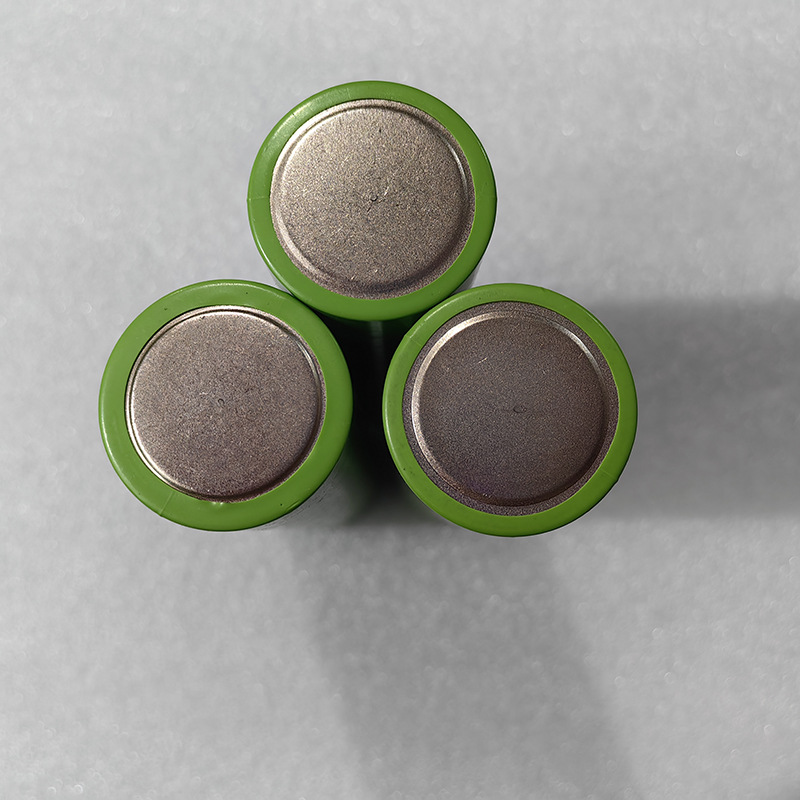
The “18650” designation refers to the standardized size of the cell: 18mm in diameter and 65mm in length. This standardization allows for automated manufacturing and highly reliable module assembly. When combined with Lithium Iron Phosphate (LiFePO4) chemistry, these cells offer distinct benefits over Nickel Manganese Cobalt (NMC) alternatives:
- Inherent Chemical Stability: LFP chemistry has a strong olivine crystal structure that remains stable even under extreme thermal conditions. Unlike NMC batteries, which can release oxygen when overheated (fueling thermal runaway), LFP cells do not.
- Extended Cycle Life: Electric motorcycles require batteries that last for years. 18650 LFP cells typically offer 2,000 to 3,000 charge cycles, significantly outperforming traditional lithium-ion chemistries.
- High Power Density: Despite their small size, these cells deliver high discharge currents necessary for the acceleration and torque demands of motorcycles.
The Critical Challenge: Thermal Runaway in Two-Wheelers
Thermal runaway is the nightmare scenario for any lithium battery. It occurs when an internal short circuit or external heat source causes an uncontrollable exothermic reaction, leading to fire or explosion. For electric motorcycles, the risk factors are amplified:
- Harsh Operating Environments: Motorcycles are exposed to direct sunlight, high ambient temperatures, and road vibrations.
- Physical Vulnerability: Unlike cars, motorcycles lack a protective chassis around the battery pack, making them susceptible to impact damage.
How 18650 LFP Prevents Thermal Runaway
The 18650 LFP battery combats these risks through a multi-layered approach:
- Thermal Stability: The decomposition temperature of LFP is over 500°C, compared to approximately 200°C for cobalt-based lithium-ion batteries. This means the electrolyte does not boil and the cathode does not release oxygen until temperatures are astronomically high.
- Mechanical Integrity: The cylindrical steel casing of the 18650 cell provides superior mechanical strength. In the event of a crash, the steel wall resists deformation better than soft pouch cells, preventing internal short circuits.
- Venting Mechanism: Each 18650 cell is equipped with a CID (Current Interrupt Device) and a safety vent. If internal pressure builds due to gas generation, the vent releases the pressure safely, preventing the cell from rupturing violently.
Designing Safe Battery Packs for Export
For B2B exporters, compliance with international safety standards is non-negotiable. When designing electric motorcycle packs using 18650 LFP cells, engineers must focus on:
- Battery Management System (BMS): A robust BMS is mandatory to monitor cell voltage, temperature, and state of charge. It prevents overcharging and deep discharging, which are primary triggers for thermal events.
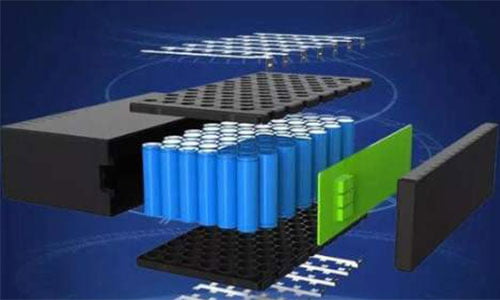
- Module Design: Utilizing the 18650 format allows for “brick-like” stacking with ample space for cooling channels. This design ensures that even if one cell were to fail (which is statistically rare with LFP), the heat does not propagate to neighboring cells.
Why Choose CNS BATTERY for Your LFP Needs?
When sourcing 18650 LFP Cylindrical Batteries for electric motorcycles, reliability and safety certifications are paramount. CNS BATTERY, based in Zhengzhou, China, stands out as a leading manufacturer specializing in high-safety cylindrical cells.
Unlike generic suppliers, CNS BATTERY integrates advanced thermal management features directly into their cell design. Their 18650 LFP series is engineered specifically for high-vibration environments like electric motorcycles, offering ultra-safe performance and long cycle life. By partnering with a manufacturer that prioritizes automated production and strict quality control, B2B clients can ensure their electric motorcycle fleets meet the highest global safety benchmarks.
Explore the comprehensive range of cylindrical battery cells available for customization and integration into your next-generation electric motorcycles.
Sources: