

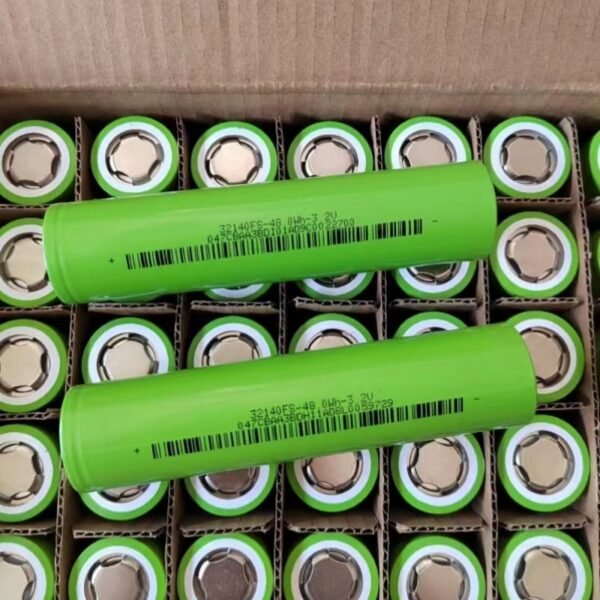
18650 LFP Cylindrical Battery for Electric Motorcycle – High Reliability vs Competitors
The electric motorcycle industry is experiencing unprecedented growth in 2026, with manufacturers increasingly prioritizing battery safety, cycle life, and regional compliance. Among various cell formats, the 18650 LFP cylindrical battery has emerged as a critical component for reliable power systems. This technical analysis examines why LFP chemistry in 18650 format delivers superior reliability compared to competing solutions, with specific focus on parameters that matter to engineers and procurement specialists targeting EU and US markets.
Fundamental Technology Advantages
Lithium Iron Phosphate (LiFePO₄) chemistry fundamentally differs from NMC or NCA alternatives through its olivine crystal structure, which provides exceptional thermal stability. The P-O bond strength in the phosphate group requires significantly higher energy to break compared to metal-oxide bonds in ternary chemistries. This translates to thermal runaway temperatures exceeding 270°C versus 150-200°C for NMC cells—a critical safety margin for electric motorcycles operating in diverse environmental conditions.
The 18650 cylindrical format (18mm diameter × 65mm length) offers standardized dimensions that enable efficient thermal management through air or liquid cooling channels. Unlike prismatic or pouch cells, cylindrical construction distributes internal pressure uniformly during charge-discharge cycles, reducing mechanical stress on the separator and minimizing degradation over extended operation.
Parameter Superiority Analysis
Cycle Life Performance: Premium 18650 LFP cells deliver 3,000-5,000 full cycles at 80% depth of discharge while maintaining 80% capacity retention. This significantly outperforms NMC counterparts typically rated at 1,500-2,500 cycles. For electric motorcycle applications requiring daily charging, this translates to 8-10 years of operational life versus 4-6 years for alternative chemistries.
Safety Metrics: LFP cells demonstrate superior performance in abuse testing. Nail penetration tests show no thermal runaway, while overcharge tolerance extends to 2× nominal voltage without catastrophic failure. The intrinsic stability eliminates the need for complex active balancing systems, reducing BOM costs and potential failure points.
Temperature Resilience: Operating ranges from -20°C to 60°C ensure consistent performance across geographic regions. Capacity retention at -10°C exceeds 85% with appropriate thermal management, addressing cold-weather concerns that historically limited LFP adoption in northern European and North American markets.
Critical Testing Methodologies
Reliability validation requires comprehensive testing protocols aligned with international standards:
UN38.3 Transportation Certification: All lithium battery shipments require UN38.3 testing covering eight mandatory parameters including altitude simulation, thermal cycling, vibration, shock, external short circuit, impact, overcharge, and forced discharge. This certification is non-negotiable for air and ocean freight to EU and US destinations.
UL 1642 Cell Safety: For US market access, individual cells must pass UL 1642 requirements addressing electrical, mechanical, and environmental abuse scenarios. Key tests include crush testing at 13kN force, heating to 150°C for 10 minutes, and short-circuit conditions with external resistance below 50mΩ.
EU Battery Regulation 2026 Compliance: The updated European Battery Regulation mandates carbon footprint declaration, recycled content minimums, and digital battery passports. Manufacturers must provide lifecycle assessment data and ensure traceability from raw material sourcing through end-of-life recycling.
IEC 62619 Industrial Applications: This standard covers safety requirements for secondary lithium cells used in industrial applications including electric motorcycles. Testing encompasses normal operation, foreseeable misuse, and single-fault conditions.
CNS Product Technical Barriers and Regional Adaptability
CNS Battery has established significant technical moats through vertically integrated manufacturing and comprehensive certification portfolios. Their cylindrical battery cell production lines maintain ISO 9001 and IATF 16949 quality systems, ensuring consistency across production batches critical for motorcycle OEM specifications.
For European market entry, CNS products achieve CE marking through compliance with EN 50604-1 (light EV battery safety) and UN38.3 transportation requirements. The company’s testing laboratories hold ILAC accreditation, enabling in-house certification that reduces time-to-market by 6-8 weeks compared to third-party testing dependencies.
North American compliance is addressed through UL 1642 cell certification and UL 2054 pack-level validation. CNS maintains dedicated engineering support for FCC electromagnetic compatibility requirements when battery management systems incorporate wireless communication features. This dual-certification approach eliminates common barriers that delay market entry for competitors.
The company’s manufacturing footprint in China leverages established supply chains for LFP cathode materials while maintaining cost competitiveness. However, their battery manufacturers in China operations implement traceability systems meeting EU Battery Regulation requirements, including carbon footprint calculation methodologies aligned with Product Environmental Footprint (PEF) standards.
For technical procurement teams evaluating suppliers, CNS provides comprehensive documentation packages including MSDS reports, UN38.3 test summaries, and material declarations supporting RoHS and REACH compliance. This documentation infrastructure proves essential during OEM qualification processes where audit trails determine supplier selection.
Strategic Implementation Considerations
When integrating 18650 LFP cells into electric motorcycle platforms, engineers should prioritize:
- Thermal Management Design: Cylindrical cells benefit from radial heat transfer. Pack designs should maximize surface contact with cooling plates or airflow channels.
- BMS Architecture: While LFP chemistry tolerates wider voltage windows, precise cell monitoring extends cycle life. Recommended balancing accuracy: ±5mV per cell.
- Mechanical Protection: Vibration isolation mounts reduce stress on weld connections during off-road operation, particularly important for adventure motorcycle segments.
- Regional Certification Planning: Initiate UN38.3 testing 12 weeks before intended shipment dates. EU and US certifications should run parallel to avoid sequential delays.
The convergence of LFP chemistry maturity, cylindrical format standardization, and comprehensive certification support positions 18650 LFP batteries as the optimal choice for electric motorcycle manufacturers targeting global markets in 2026 and beyond.
For detailed technical specifications and certification documentation, engineering teams should contact CNS Battery directly through their contact page to initiate qualification processes aligned with regional market requirements.


