18650 LFP Cylindrical Battery for Electric Motorcycle – Competitive Wholesale Price Ultimate Guide
The electric motorcycle industry is experiencing unprecedented growth, and battery selection has become a critical decision point for manufacturers and procurement teams. Among various options, the 18650 LFP (Lithium Iron Phosphate) cylindrical battery has emerged as a compelling solution balancing safety, longevity, and cost-effectiveness. This comprehensive guide explores technical specifications, wholesale pricing dynamics, and key considerations for B2B buyers seeking reliable battery suppliers.
Understanding LFP Chemistry Fundamentals
Lithium Iron Phosphate (LiFePO₄) chemistry distinguishes itself through exceptional thermal stability and extended cycle life. Unlike NMC or NCA counterparts, LFP cells feature a stable olivine crystal structure that minimizes thermal runaway risks—a crucial factor for two-wheeler applications where space constraints and vibration exposure demand robust safety margins. The nominal voltage of 3.2V per cell and typical capacity range of 1,500-3,500mAh make 18650 LFP batteries ideal for modular pack designs in electric motorcycles.
From an electrochemical perspective, LFP cathodes offer lower energy density (~160 Wh/kg) compared to NMC (~250 Wh/kg), but compensate through superior cycle stability (2,000-5,000 cycles at 80% DOD) and reduced degradation under high-temperature operation. For commercial fleet operators prioritizing total cost of ownership over maximum range, this trade-off proves strategically advantageous.
Key Technical Specifications for Electric Motorcycle Applications
When evaluating 18650 LFP cylindrical cells, procurement teams should verify the following parameters:
| Parameter | Typical Range | Industry Standard |
|---|---|---|
| Nominal Capacity | 1,500-3,500 mAh | 2,500 mAh |
| Continuous Discharge | 3C-5C | 5C |
| Peak Discharge | 10C-15C | 10C |
| Operating Temperature | -20°C to 60°C | -10°C to 55°C |
| Cycle Life | 2,000-5,000 | 3,000+ |
| Internal Resistance | ≤35 mΩ | ≤30 mΩ |
Consistency in cell matching remains paramount for pack longevity. Reputable manufacturers implement automated grading systems ensuring capacity variance below 3% and internal resistance deviation under 5 mΩ within batches.
Wholesale Pricing Dynamics and Cost Optimization
Competitive wholesale pricing for 18650 LFP cells typically ranges between $0.80-$1.50 per cell depending on order volume, specifications, and supply chain terms. Several factors influence final pricing:
- Order Volume: MOQ thresholds (typically 10,000+ cells) unlock tiered pricing structures
- Customization Requirements: Private labeling, specific capacity grading, or custom tab configurations add 5-15% premium
- Certification Compliance: UN38.3, IEC62133, and UL1642 certifications impact baseline costs but remain non-negotiable for international shipments
- Logistics Terms: FOB, CIF, or DDP arrangements affect landed cost calculations
Strategic partnerships with established battery manufacturers in China enable direct factory pricing while maintaining quality oversight through third-party inspection protocols.
Quality Assurance and Supplier Verification
Due diligence in supplier selection cannot be overstated. Verify the following before committing to large-volume purchases:
- Manufacturing Certifications: ISO9001, IATF16949 for automotive-grade production
- Test Reports: Request recent third-party validation from SGS, TUV, or Intertek
- Sample Testing: Conduct independent cycle life and thermal abuse testing on pre-production samples
- Traceability Systems: Ensure batch-level tracking for warranty and recall management
For detailed product specifications across various cylindrical cell formats, explore comprehensive cylindrical battery cell offerings to match your specific application requirements.
Integration Considerations for Pack Design
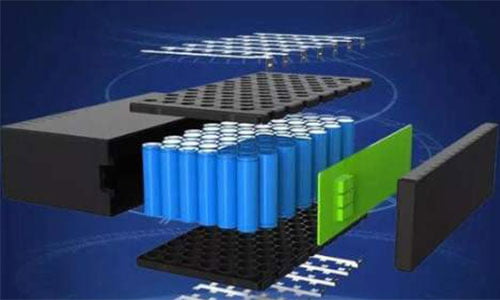
Successful battery pack integration extends beyond cell selection. BMS compatibility, thermal management architecture, and mechanical protection systems must align with LFP characteristics. Key recommendations include:
- Implement passive or active balancing circuits optimized for 3.2V nominal chemistry
- Design enclosure structures accounting for 18650 dimensional tolerances (18.4±0.2mm diameter, 65.2±0.3mm height)
- Incorporate vibration dampening materials meeting ISO 16750-3 standards for motorcycle applications
- Establish SOC calibration protocols specific to LFP’s flat voltage curve between 20-80% state of charge
Conclusion: Making Informed Procurement Decisions
The 18650 LFP cylindrical battery represents a mature, cost-effective solution for electric motorcycle manufacturers prioritizing safety, longevity, and predictable performance. By understanding technical specifications, wholesale pricing structures, and supplier verification protocols, B2B buyers can negotiate favorable terms while mitigating supply chain risks.
For organizations seeking reliable partnership opportunities, direct communication with qualified suppliers accelerates procurement cycles. Reach out through official contact channels to request quotations, technical documentation, and sample availability for your specific project requirements.
Investing time in thorough supplier evaluation and technical validation ultimately delivers superior ROI through reduced warranty claims, extended product lifecycle, and enhanced brand reputation in the competitive electric mobility marketplace.