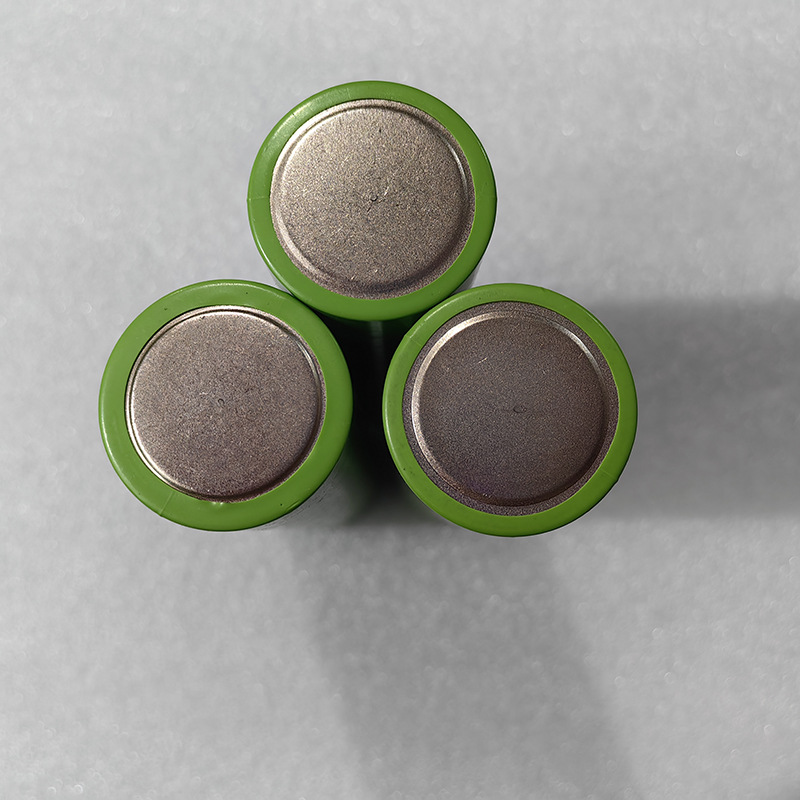
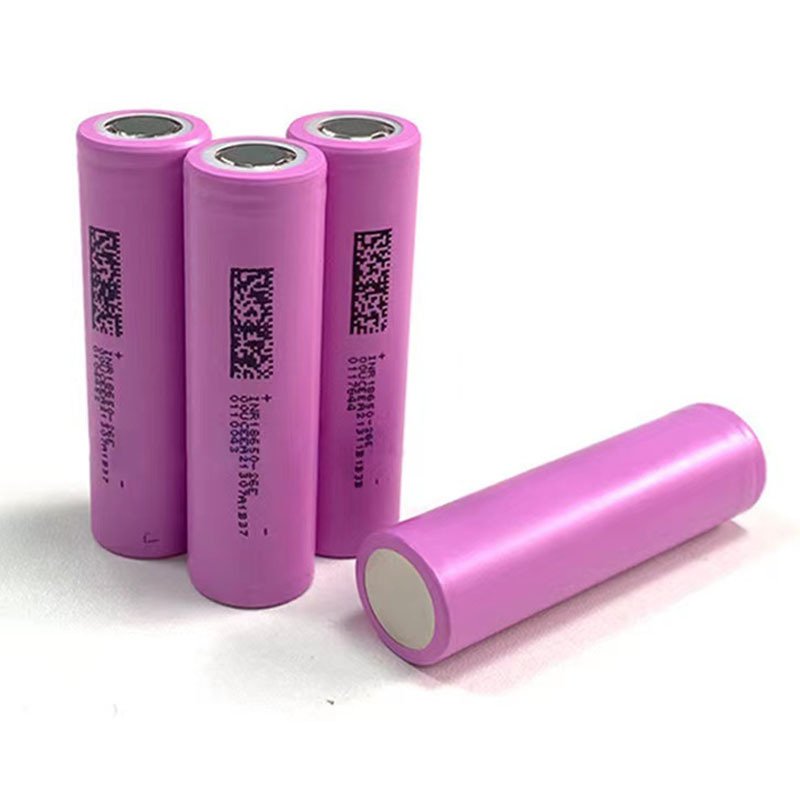
18650 LFP Cylindrical Battery for E-bike – BMS Compatibility Solved vs Competitors
The electric bicycle industry continues its rapid expansion in 2026, with lithium iron phosphate (LFP) chemistry emerging as the preferred choice for safety-conscious manufacturers and end-users. Among various form factors, the 18650 cylindrical battery cell maintains its position as a reliable standard, particularly when paired with properly engineered Battery Management Systems (BMS). This article examines the critical BMS compatibility challenges that differentiate leading suppliers from competitors in the e-bike battery market.
Understanding 18650 LFP Technical Fundamentals
The 18650 designation refers to standardized cylindrical dimensions: 18mm diameter and 65mm length. LFP chemistry offers nominal voltage of 3.2V with charging cutoff at 3.6V, distinguishing it from NMC counterparts operating at 3.7V nominal. This voltage characteristic fundamentally impacts BMS configuration requirements. For e-bike applications, typical configurations range from 10S to 14S arrangements, delivering 36V to 48V system voltages respectively.
LFP cells provide exceptional cycle life exceeding 2,000-3,000 full cycles at 80% depth of discharge, significantly outperforming traditional NMC chemistry in longevity. Thermal stability represents another critical advantage, with LFP chemistry demonstrating superior resistance to thermal runaway scenarios—a paramount consideration for e-bike batteries subjected to varying environmental conditions.
BMS Compatibility Challenges in E-bike Applications
Battery Management System compatibility remains the primary technical hurdle when integrating 18650 LFP cells into e-bike power systems. Common compatibility issues include voltage threshold mismatches, communication protocol inconsistencies, and cell balancing algorithm deficiencies. Many competitors offer generic BMS solutions that fail to account for LFP’s distinctive charge-discharge curves, resulting in reduced capacity utilization and accelerated degradation.
Leading manufacturers address these challenges through customized BMS development. Advanced features include dynamic cell balancing algorithms maintaining voltage variance below 10mV across series-connected cells, temperature compensation protocols adjusting charge parameters based on ambient conditions, and integrated communication interfaces supporting CAN bus, RS485, or Bluetooth connectivity for real-time monitoring.
Competitive Differentiation Through System Integration
The market distinction between premium and standard suppliers becomes evident in system-level integration capabilities. While competitors typically supply cells and BMS as separate components, leading manufacturers provide fully integrated solutions with pre-validated compatibility. This approach eliminates integration risks and reduces time-to-market for e-bike OEMs.
Key differentiators include comprehensive testing protocols validating performance across -20°C to 60°C operating temperatures, IP65-rated enclosure designs ensuring water and dust resistance for outdoor applications, and vibration testing simulating real-world e-bike usage conditions. Certification compliance covering UL, CE, UN38.3, and IEC standards further separates qualified suppliers from budget alternatives.
Technical Specifications for E-bike Integration
When evaluating 18650 LFP solutions for e-bike applications, technical procurement teams should verify specific parameters. Continuous discharge ratings should match motor requirements, typically ranging from 15A to 30A per cell for standard e-bike configurations. Internal resistance below 35mΩ ensures efficient power delivery with minimal heat generation. Capacity consistency within ±2% across production batches enables reliable pack assembly without extensive sorting procedures.
BMS protection features must include overcharge protection at 3.65V per cell, over-discharge cutoff at 2.5V, short-circuit response within 200 microseconds, and temperature monitoring with thermal shutdown activation at 70°C. Advanced implementations incorporate state-of-charge estimation accuracy within ±3% and state-of-health tracking for predictive maintenance scheduling.
Supply Chain Considerations for 2026
The global 18650 LFP market continues maturing with increased manufacturing capacity and improved quality consistency. However, significant variation persists among Chinese battery manufacturers regarding technical support capabilities and customization flexibility. Established suppliers demonstrate advantages through dedicated engineering teams supporting customer-specific requirements, flexible minimum order quantities accommodating prototype development, and comprehensive documentation packages facilitating regulatory compliance.
For technical buyers evaluating potential partners, factory audit capabilities, traceability systems tracking individual cell production data, and after-sales technical support responsiveness represent critical selection criteria beyond unit pricing considerations. Long-term partnership potential often outweighs initial cost savings when total cost of ownership factors including warranty claims, replacement logistics, and system downtime are properly calculated.
Conclusion
The 18650 LFP cylindrical battery platform offers compelling advantages for e-bike applications when paired with properly engineered BMS solutions. Success depends on selecting suppliers demonstrating genuine system integration expertise rather than component-level commoditization. Technical procurement decisions should prioritize validated compatibility, comprehensive testing documentation, and ongoing engineering support over marginal price advantages.
For engineers and procurement specialists seeking qualified 18650 LFP solutions with proven BMS compatibility, established manufacturers provide the technical depth necessary for successful e-bike battery integration. Explore comprehensive cylindrical battery cell options designed for demanding e-bike applications. Partner with experienced battery manufacturers in China who understand international quality standards and technical requirements. Contact our engineering team directly through our contact page for customized solutions matching your specific e-bike platform requirements.
The e-bike industry’s evolution toward safer, longer-lasting battery systems positions 18650 LFP technology as a strategic choice for manufacturers prioritizing quality and reliability. Proper BMS integration transforms this mature cell format into a competitive advantage distinguishing premium e-bike brands in increasingly crowded markets.