18650 LFP Cells Guide 2026 – Cycle Life 8000+ for ESS
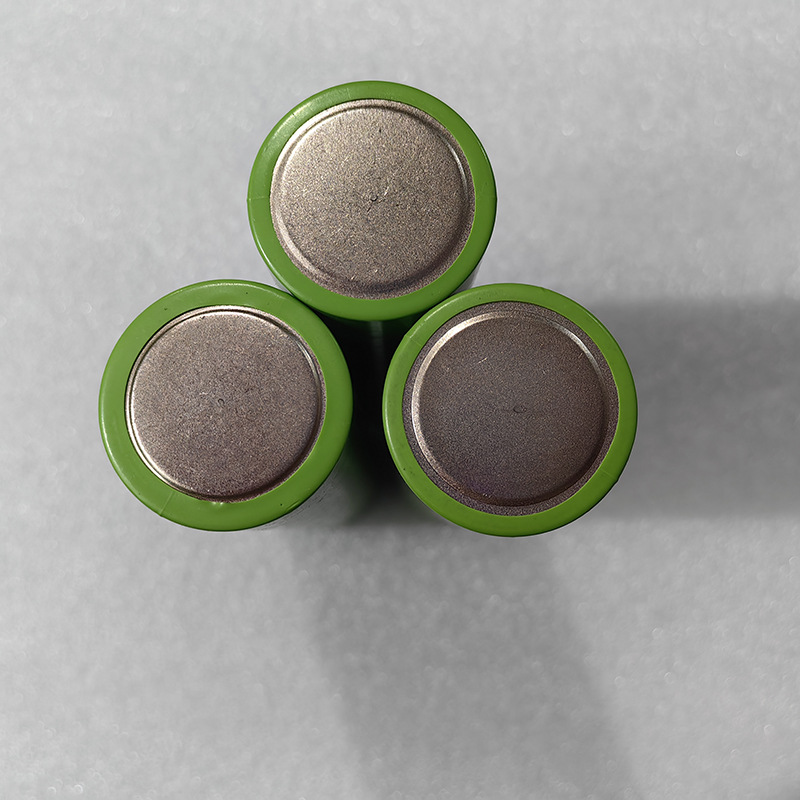
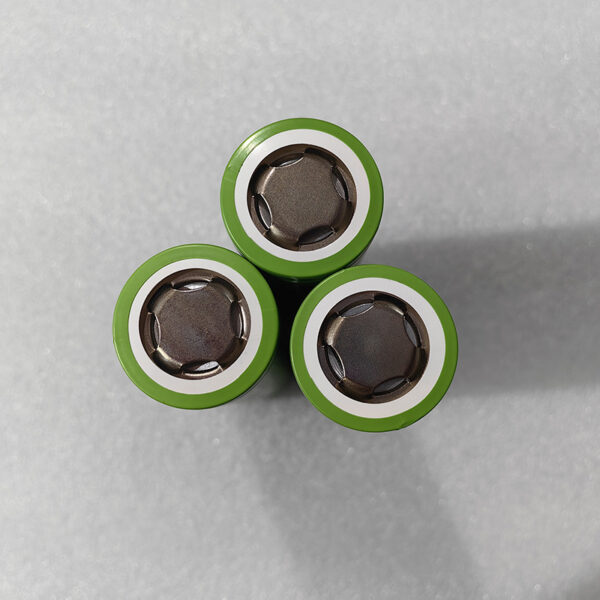
The energy storage sector is witnessing a decisive shift toward lithium iron phosphate (LFP) chemistry, with 18650 cylindrical cells emerging as the preferred choice for commercial and industrial ESS deployments. As we advance into 2026, manufacturers now reliably deliver 18650 LFP cells exceeding 8,000 cycle life at 80% depth of discharge, fundamentally transforming total cost of ownership calculations for stationary storage projects.
Why 18650 LFP Chemistry Dominates ESS Applications
LFP cathode material (LiFePO₄) offers inherent structural stability due to its strong phosphorus-oxygen bonds. Unlike NMC or NCA chemistries, LFP cells demonstrate minimal thermal runaway risk and maintain capacity retention over extended cycling. The olivine crystal structure prevents oxygen release during overcharge or elevated temperature conditions, making LFP the safest lithium-ion option for large-scale energy storage systems.
For ESS integrators, this translates to reduced safety system costs, simplified thermal management requirements, and lower insurance premiums. The 18650 form factor further enhances pack design flexibility, enabling modular configurations that accommodate various voltage and capacity requirements without custom cell development.
Understanding 8000+ Cycle Life Claims
Cycle life specifications require careful interpretation. Leading manufacturers now certify 18650 LFP cells for 8,000+ cycles at 25°C ambient temperature, 1C charge/discharge rates, and 80% DOD. However, actual field performance depends on several operational parameters:
Temperature Management: Operating cells between 15-35°C maximizes cycle life. Every 10°C increase above 35°C approximately halves expected lifespan. Advanced BMS systems with active thermal monitoring are essential for maintaining optimal conditions.
Charge/Discharge Rates: While 18650 LFP cells support up to 3C continuous discharge, sustained high-current operations accelerate degradation. ESS applications typically operate at 0.5C-1C, preserving the 8,000+ cycle promise.
Depth of Discharge: Limiting DOD to 80% rather than 100% significantly extends usable life. Smart BMS algorithms prevent deep discharge events that cause irreversible capacity loss.
Technical Specifications for 2026 Production Cells
Current-generation 18650 LFP cells deliver nominal capacities between 3,200-3,500mAh, with internal resistance below 35mΩ. Energy density reaches 160-180 Wh/kg at cell level, sufficient for most stationary applications where weight is secondary to longevity and safety.
Key performance metrics include:
- Nominal Voltage: 3.2V
- Charge Voltage: 3.65V ±0.05V
- Discharge Cut-off: 2.5V
- Operating Temperature: -20°C to 60°C
- Calendar Life: 15+ years at 25°C
Selection Criteria for ESS Procurement
Technical buyers should evaluate manufacturers based on verified test data rather than marketing claims. Request IEC 62619, UL 1973, and UN 38.3 certification documentation. Cell matching consistency within batches affects pack performance more than individual cell specifications.
Established manufacturers maintain capacity deviation below 3% and internal resistance variation under 5% across production lots. This consistency reduces BMS balancing requirements and extends pack-level cycle life.
For comprehensive product specifications and technical documentation, visit our cylindrical battery cell catalog. Our engineering team provides detailed test reports and application support for ESS integrators evaluating 18650 LFP solutions.
Cost-Benefit Analysis for 2026 Projects
While LFP cells carry approximately 15-20% premium over NMC alternatives at initial purchase, the 8,000+ cycle life delivers superior lifetime value. Calculate levelized cost of storage (LCOS) using actual cycle life rather than nominal capacity. For daily cycling applications, 18650 LFP systems typically achieve 40-50% lower LCOS over 15-year project lifespans.
Consider warranty terms carefully. Reputable manufacturers offer 10-year warranties with guaranteed capacity retention above 70% at end-of-warranty period. This commitment reflects confidence in cell quality and manufacturing consistency.
Integration Best Practices
Successful ESS deployment requires proper cell grading, matching, and BMS configuration. Pre-installation capacity testing identifies outliers before pack assembly. Implement passive or active balancing based on pack size and application requirements.
Thermal design must account for worst-case ambient conditions plus heat generation during operation. Air cooling suffices for most commercial installations, while liquid cooling becomes necessary for high-power or confined-space deployments.
Partnering with Qualified Manufacturers
China remains the global center for LFP cell production, offering competitive pricing without compromising quality. However, supplier verification is critical. Evaluate manufacturing capabilities, quality control systems, and after-sales support before committing to large-volume purchases.
For manufacturers seeking reliable battery manufacturers in China, due diligence should include factory audits, reference customer verification, and sample testing programs.
Conclusion
The 18650 LFP cell represents the optimal balance of safety, longevity, and cost for 2026 ESS projects. With verified 8,000+ cycle life, mature supply chains, and comprehensive certification coverage, these cells enable bankable energy storage deployments across commercial, industrial, and utility segments.
For technical inquiries and partnership opportunities, contact our engineering team through our contact page. We support ESS integrators with customized cell solutions, technical documentation, and long-term supply agreements tailored to project requirements.