18650 LFP Battery Cell 3.2V | Deep Cycle CNS BATTERY
Introduction
The 18650 LFP (Lithium Iron Phosphate) battery cell has become a cornerstone in modern energy storage solutions, particularly for applications demanding long cycle life, thermal stability, and consistent performance. As a 3.2V nominal voltage cylindrical cell, the LFP chemistry offers distinct advantages over traditional lithium-ion variants, making it the preferred choice for deep cycle applications across industrial, commercial, and residential sectors. This technical overview examines the fundamental characteristics, performance parameters, and integration considerations of 18650 LFP cells from an engineering perspective.
Technical Specifications and Electrochemical Foundation
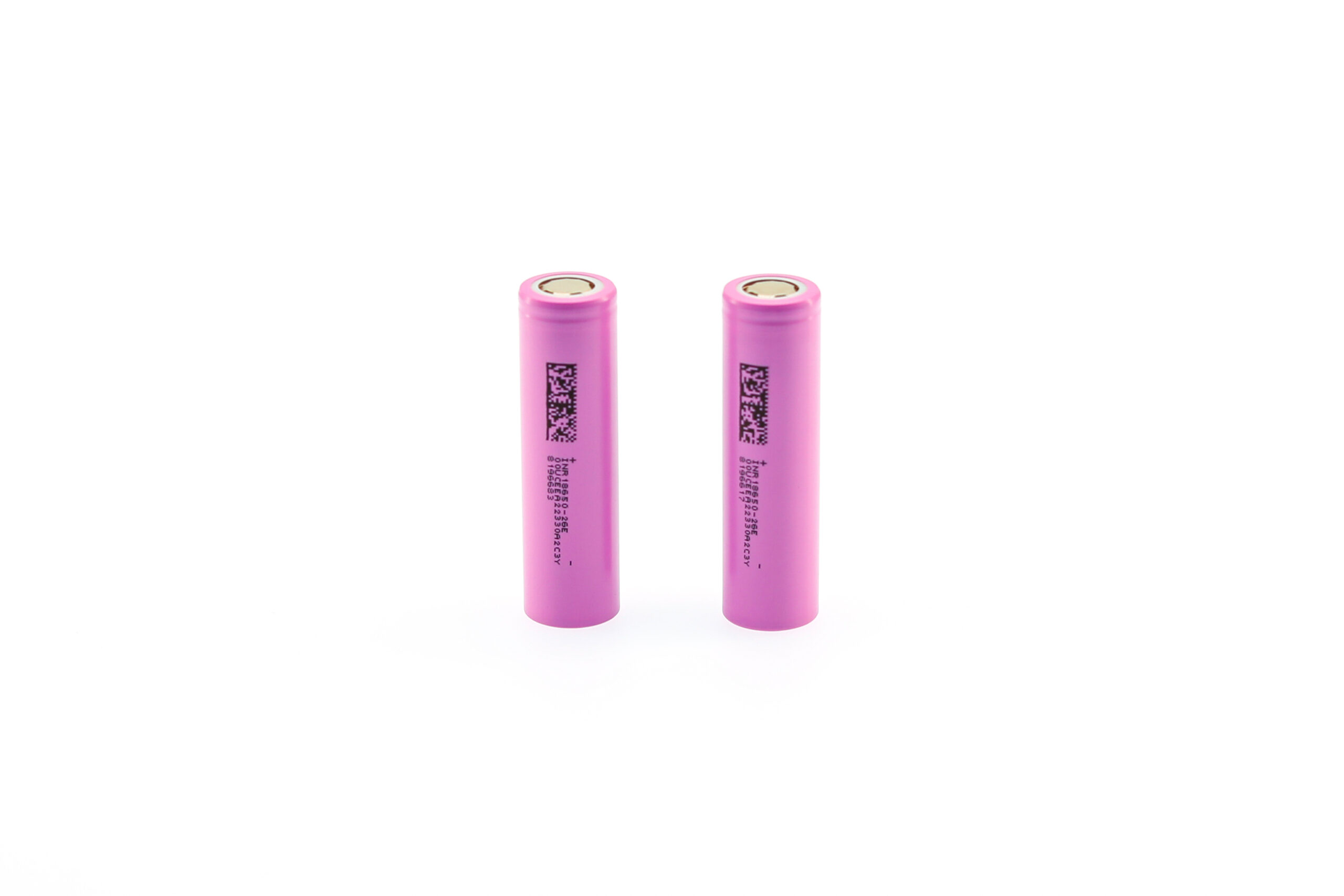
The 18650 designation refers to the cell’s physical dimensions: 18mm diameter and 65mm length. The LFP chemistry utilizes LiFePO₄ as the cathode material, paired with a graphite anode. This configuration delivers a nominal voltage of 3.2V, with operating ranges typically spanning 2.5V to 3.65V. The lower voltage compared to NMC or NCA chemistries (3.6V-3.7V) is offset by superior safety characteristics and extended cycle life.
Key electrochemical advantages include:
- Thermal Stability: The P-O bond in the phosphate structure provides exceptional thermal resistance, with decomposition temperatures exceeding 270°C, significantly higher than cobalt-based alternatives.
- Cycle Life: Standard 18650 LFP cells achieve 2000-5000 full depth-of-discharge cycles while maintaining 80% capacity retention.
- Rate Capability: Continuous discharge rates of 1C-3C are standard, with pulse discharge capabilities reaching 5C-10C depending on cell design.
Deep Cycle Performance Characteristics
Deep cycle applications require batteries to withstand repeated discharge to 80% or more of their capacity. The 18650 LFP architecture excels in this regime due to minimal structural degradation during lithium intercalation and de-intercalation processes.
| Parameter | Typical Value |
|---|---|
| Nominal Capacity | 1500-2000mAh |
| Standard Charge Current | 0.5C-1C |
| Max Continuous Discharge | 1C-3C |
| Operating Temperature | -20°C to 60°C |
| Cycle Life (@80% DOD) | 3000-5000 cycles |
| Self-Discharge Rate | <3% per month |
For engineering teams designing battery packs, understanding the voltage plateau characteristics is critical. LFP cells exhibit a relatively flat discharge curve between 3.2V and 3.3V, requiring precise BMS (Battery Management System) calibration for accurate state-of-charge estimation. Coulomb counting combined with voltage monitoring is recommended for optimal performance.
Integration Considerations for B2B Applications
When integrating 18650 LFP cells into commercial systems, several technical factors must be addressed:
Cell Matching and Grading: Capacity, internal resistance, and voltage should be matched within ±2% for series configurations to prevent imbalance and premature degradation.
Thermal Management: While LFP chemistry is inherently safer, proper thermal design ensures consistent performance across the operating temperature range. Air cooling suffices for most applications, with liquid cooling reserved for high-power density configurations.
BMS Requirements: A robust BMS must provide overcharge protection (3.65V/cell), over-discharge protection (2.5V/cell), cell balancing, and temperature monitoring. Passive balancing is adequate for most 18650 LFP pack configurations.
Safety Certifications: For international deployment, ensure cells comply with UN38.3, IEC62133, UL1642, and relevant regional standards.
Quality Assurance and Manufacturing Standards
Selecting a reliable manufacturer is paramount for long-term project success. Reputable manufacturers implement strict quality control protocols, including incoming material inspection, in-process testing, and end-of-line verification. Key manufacturing indicators include capacity consistency (±30mAh), internal resistance variation (<5mΩ), and defect rates below 0.1%.
For technical procurement teams evaluating suppliers, factory audit capabilities, production capacity, and R&D investment are critical assessment criteria. Established manufacturers with vertical integration from cell production to pack assembly offer superior supply chain reliability and technical support.
Conclusion
The 18650 LFP battery cell represents a mature, reliable solution for deep cycle applications requiring extended service life and operational safety. Its technical characteristics make it particularly suitable for energy storage systems, electric mobility, backup power, and industrial equipment. For engineering teams seeking detailed specifications and customization options, explore our comprehensive cylindrical battery cell portfolio.
Partnering with experienced battery manufacturers in China ensures access to competitive pricing, technical expertise, and scalable production capabilities. Our technical team stands ready to support your project requirements from cell selection through system integration.
For technical inquiries, sample requests, or partnership discussions, please contact us to connect with our engineering and sales professionals.