

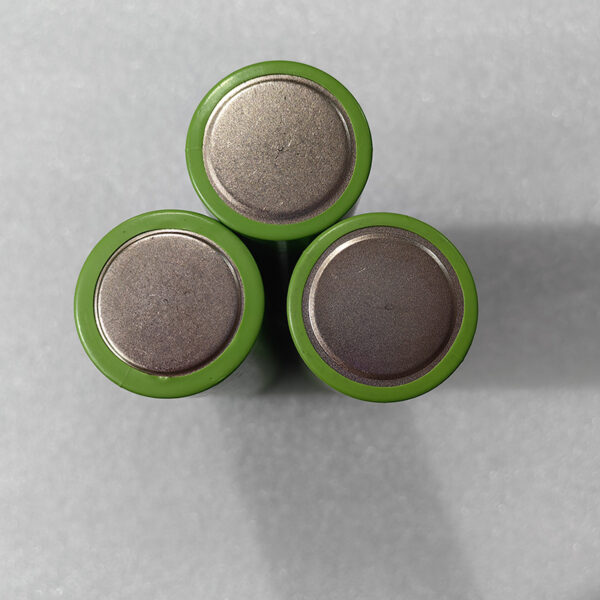
18650 LFP Battery Cell 1500mAh | Deep Cycle CNS BATTERY
Introduction
The 18650 LFP (Lithium Iron Phosphate) battery cell with 1500mAh capacity represents a significant advancement in cylindrical battery technology, particularly for deep cycle applications. As energy storage demands evolve across industrial, commercial, and consumer sectors, understanding the technical specifications and performance characteristics of LFP chemistry becomes essential for engineers and technical procurement professionals. This article provides a comprehensive analysis of the 18650 LFP battery cell, focusing on its deep cycle capabilities, safety features, and optimal application scenarios.
Understanding LFP Chemistry Fundamentals
Lithium Iron Phosphate (LiFePO₄) chemistry distinguishes itself from traditional lithium-ion variants through superior thermal stability and extended cycle life. The olivine crystal structure of LFP cathode materials provides inherent safety advantages, significantly reducing thermal runaway risks compared to NMC or NCA chemistries. For the 18650 form factor with 1500mAh capacity, this translates to approximately 2000-5000 full discharge cycles while maintaining 80% capacity retention.
The nominal voltage of 3.2V per cell requires careful consideration during pack design. Engineers must account for voltage characteristics when configuring series-parallel arrangements for specific application requirements. The flat discharge curve of LFP chemistry ensures consistent power delivery throughout most of the discharge cycle, making it ideal for applications requiring stable voltage output.
Deep Cycle Performance Characteristics
Deep cycle applications demand batteries capable of repeated deep discharge without significant degradation. The 18650 LFP 1500mAh cell excels in this regard, supporting discharge depths of 80-100% DOD (Depth of Discharge) regularly. Unlike lead-acid alternatives, LFP cells maintain structural integrity through thousands of deep discharge cycles.
Key performance metrics include:
- Cycle Life: 2000-5000 cycles at 80% DOD
- Operating Temperature: -20°C to 60°C (discharge), 0°C to 55°C (charge)
- Internal Resistance: Typically 30-50mΩ, enabling high current discharge
- Self-Discharge Rate: Less than 3% per month at room temperature
These specifications make the cell suitable for solar energy storage, UPS systems, electric mobility applications, and industrial backup power solutions.
Safety and Thermal Management
Safety remains paramount in battery selection, particularly for large-scale deployments. LFP chemistry offers intrinsic safety benefits through strong P-O bonds in the phosphate structure, which require substantial energy to break. This molecular stability prevents oxygen release during thermal events, significantly reducing fire hazards.
For optimal performance and longevity, thermal management systems should maintain cell temperatures between 15°C and 35°C during operation. While LFP cells tolerate wider temperature ranges than other lithium chemistries, consistent thermal conditions maximize cycle life and capacity retention.
Application Scenarios and Integration
The 18650 form factor provides versatility for various integration scenarios. Standard dimensions (18mm diameter × 65mm length) enable compatibility with existing battery holders and management systems. Technical procurement teams should consider the following application areas:
Renewable Energy Storage: LFP cells excel in solar and wind energy storage systems, where daily cycling and long-term reliability are critical. The 1500mAh capacity per cell allows flexible pack configuration for various voltage and capacity requirements.
Electric Mobility: Light electric vehicles, e-bikes, and mobility scooters benefit from LFP safety characteristics and cycle life. The moderate energy density trade-off is acceptable given the enhanced safety profile.
Industrial Backup Power: Telecommunications, data centers, and critical infrastructure require reliable backup solutions. LFP chemistry provides the necessary reliability and maintenance-free operation.
Quality Considerations for Procurement
When sourcing 18650 LFP cells from manufacturers, technical buyers should verify several quality indicators. Consistent capacity matching within batches ensures balanced pack performance. Request detailed specification sheets including impedance characteristics, cycle life testing data, and safety certifications (UN38.3, IEC62133, UL1642).
For comprehensive manufacturer evaluation and product specifications, visit our cylindrical battery cell product page. Understanding manufacturing capabilities and quality control processes remains essential for long-term supply chain reliability. Additional information about battery manufacturers in China can help procurement teams make informed sourcing decisions.
Technical Support and Partnership
Successful battery integration requires ongoing technical support throughout the product lifecycle. From initial cell selection to pack design optimization and production scaling, experienced manufacturers provide valuable engineering assistance. For technical inquiries, customization requirements, or partnership discussions, please contact our team for detailed consultation.
Conclusion
The 18650 LFP Battery Cell 1500mAh represents a balanced solution for deep cycle applications requiring safety, longevity, and reliable performance. Understanding the technical characteristics outlined in this article enables engineers and procurement professionals to make informed decisions for their specific applications. As the energy storage landscape continues evolving, LFP chemistry positions itself as a cornerstone technology for sustainable power solutions across multiple industries.

