18650 Battery For Portable Medical Ventilator | CNS BATTERY
Powering Critical Care: The Essential Guide to 18650 Cells in Portable Ventilators
The global demand for portable medical ventilators has surged significantly, driven by emergency response needs, home healthcare expansion, and mobile medical services. At the heart of these life-saving devices lies a critical component: the 18650 lithium-ion battery. This comprehensive guide addresses key considerations for B2B buyers, procurement specialists, and medical device manufacturers seeking reliable battery solutions.
Technical Specifications and Performance Requirements
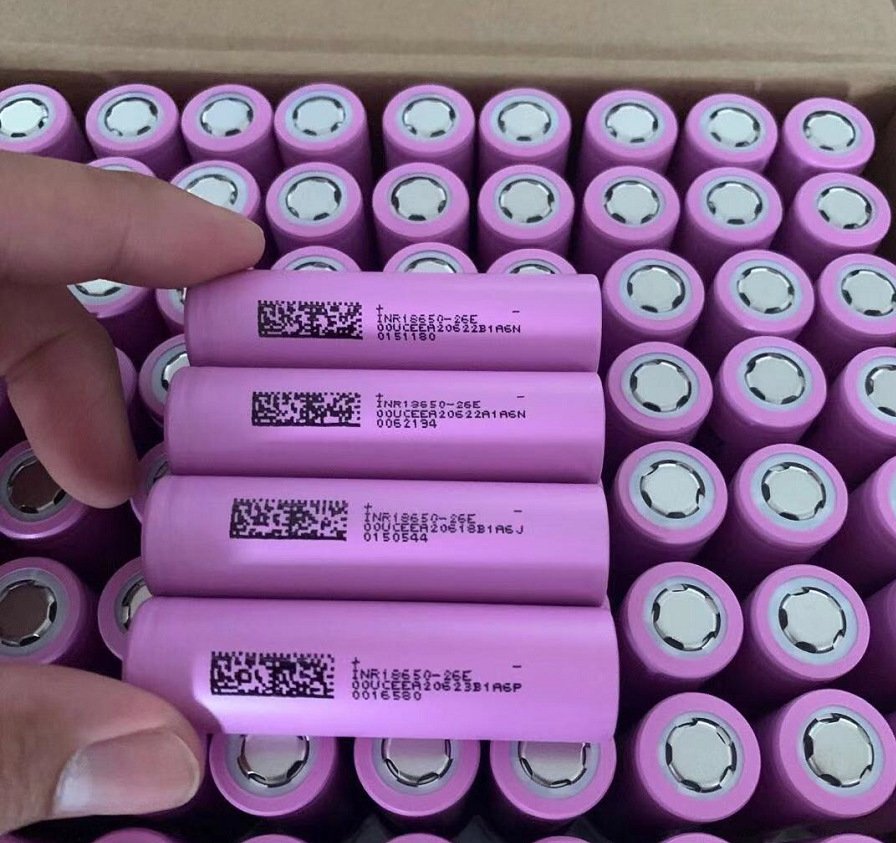
The 18650 battery designation refers to its physical dimensions: 18mm diameter, 65mm length, and cylindrical form factor. For portable ventilator applications, standard specifications include:
- Nominal Voltage: 3.7V (Li-ion) or 3.2V (LiFePO4)
- Capacity Range: 2000mAh to 3500mAh per cell
- Operating Temperature: -20°C to 60°C
- Cycle Life: 500-1000+ charge cycles depending on chemistry
- Maximum Continuous Discharge: 5A-20A based on ventilator power demands
Medical ventilators require stable power delivery with minimal voltage fluctuation. Battery packs typically configure multiple 18650 cells in series-parallel arrangements to achieve required voltage (12V-24V systems) and capacity (extending operational runtime to 4-8 hours).
Regulatory Compliance: Non-Negotiable Requirements
Medical device batteries face stringent regulatory scrutiny. As of 2026, global compliance requirements have intensified significantly:
Certification Essentials:
- UN38.3: Mandatory for lithium battery transportation
- IEC 62133: Safety standards for portable sealed secondary cells
- ISO 13485: Medical device quality management system
- CE Marking: European market access requirement
- FDA Registration: US medical device compliance
- RoHS/REACH: Environmental substance restrictions
The GB 4824-2025 standard, equivalent to CISPR 11:2024, now governs electromagnetic compatibility for industrial, scientific, and medical equipment. Battery systems must not interfere with ventilator operation or surrounding medical devices.
Battery Passport Initiative: Starting 2026, industrial batteries require digital documentation tracking origin, composition, and lifecycle data. This transparency requirement affects supply chain documentation for medical applications.
Selection Criteria for B2B Procurement
When evaluating 18650 battery suppliers for ventilator manufacturing, consider these critical factors:
1. Manufacturer Qualification
Verify production capabilities, quality certifications, and medical device industry experience. Established manufacturers with ISO 13485 certification demonstrate commitment to medical-grade quality standards. Review comprehensive manufacturer credentials at https://cnsbattery.com/battery-manufacturers-in-china/
2. Cell Consistency and Matching
Medical applications demand exceptional cell-to-cell consistency. Voltage variation should not exceed ±10mV within battery packs. Request batch testing reports and consistency specifications before procurement.
3. Safety Features
Essential protections include:
- Overcharge/over-discharge protection circuits
- Temperature monitoring and thermal cutoff
- Short-circuit protection
- Cell balancing systems for multi-cell packs
4. Supply Chain Reliability
Evaluate manufacturer capacity, lead times, and inventory management. Medical device production cannot tolerate supply interruptions. Establish clear communication channels for order tracking and technical support.
Case Study: Emergency Response Ventilator Deployment
A European medical equipment distributor required 18650 battery packs for portable ventilators deployed across remote healthcare facilities. Key requirements included 6-hour minimum runtime, operation in temperatures ranging from -10°C to 45°C, and compliance with EU medical device regulations.
The solution utilized high-drain 18650 cells (3000mAh, 10A continuous discharge) configured in 4S3P arrangement. Integrated BMS provided real-time monitoring, cell balancing, and fault detection. Total system achieved 7.5-hour runtime with 20% capacity reserve for emergency scenarios. All components carried CE marking and complete UN38.3 documentation for international shipping.
Integration and Compatibility Considerations
Physical Integration: Standard 18650 dimensions enable compatibility with existing ventilator designs. However, verify exact dimensions (some protected cells exceed standard 65mm length) and terminal configurations.
Electrical Compatibility: Match battery management system (BMS) communication protocols with ventilator control systems. Common interfaces include I2C, SMBus, or custom UART protocols for battery status reporting.
Charging Systems: Ensure charger compatibility with battery chemistry. Li-ion cells require CC/CV charging profiles with 4.2V cutoff. Fast-charging capabilities reduce downtime but may impact cycle life.
Explore cylindrical battery cell options and technical specifications at https://cnsbattery.com/products-3/cylindrical-battery-cell/
Quality Assurance and Testing Protocols
Medical-grade batteries require comprehensive testing:
- Capacity Verification: Actual capacity testing at rated discharge rates
- Cycle Life Testing: Minimum 500 cycles at 80% depth of discharge
- Environmental Testing: Temperature cycling, humidity exposure, vibration testing
- Safety Testing: Nail penetration, overcharge, short-circuit, crush testing
- EMC Testing: Electromagnetic compatibility per medical device standards
Request complete test reports and maintain documentation for regulatory audits.
Procurement Best Practices
1. Sample Evaluation: Always test production samples before committing to large orders. Verify performance claims under actual operating conditions.
2. Contract Specifications: Define clear technical specifications, acceptance criteria, and quality standards in procurement contracts. Include provisions for non-conforming product handling.
3. Long-term Supply Agreements: Secure pricing and capacity commitments for 12-24 month periods to ensure production stability.
4. Technical Support: Establish direct communication channels with manufacturer engineering teams for integration support and troubleshooting.
Conclusion
Selecting 18650 batteries for portable medical ventilators requires careful evaluation of technical specifications, regulatory compliance, and supplier capabilities. The stakes extend beyond product performance to patient safety and regulatory liability. Partner with experienced manufacturers who understand medical device requirements and maintain comprehensive quality systems.
For detailed technical consultations, certification documentation, or customized battery solutions, contact our engineering team directly. We provide comprehensive support from initial specification through production deployment.
Get in touch with our battery specialists: https://cnsbattery.com/contact-2/
CNS BATTERY combines manufacturing expertise with medical device industry knowledge, delivering reliable 18650 battery solutions that meet the demanding requirements of portable ventilator applications. Our commitment to quality, compliance, and customer support ensures your medical devices perform reliably when patients need them most.
This guide reflects current industry standards and regulatory requirements as of 2026. Always verify specific compliance requirements for your target markets and consult with regulatory experts for medical device certification processes.