18650 Battery Cell For Vacuum Cleaner | CNS BATTERY
Powering Next-Generation Cordless Vacuum Cleaners with Reliable 18650 Lithium-Ion Technology
The cordless vacuum cleaner market has experienced unprecedented growth in 2025-2026, driven by consumer demand for portable, high-performance cleaning solutions. At the heart of every premium cordless vacuum lies a critical component: the 18650 lithium-ion battery cell. This article examines the technical specifications, performance considerations, and procurement strategies for 18650 battery cells specifically engineered for vacuum cleaner applications, providing essential insights for engineers and technical purchasers in the B2B sector.
Understanding 18650 Battery Cell Fundamentals
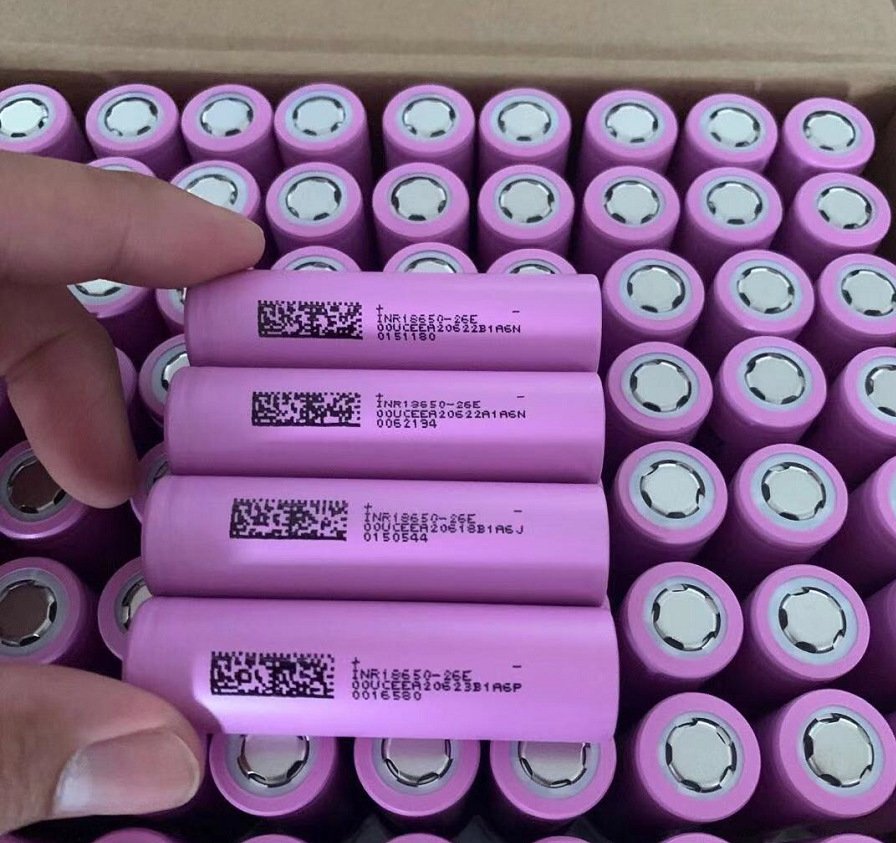
The 18650 designation refers to a cylindrical lithium-ion cell with standardized dimensions: 18mm diameter and 65mm length. This form factor has become the industry standard for portable power applications due to its optimal balance between energy density, thermal management, and manufacturing scalability.
Key Technical Parameters:
- Nominal Voltage: 3.6V-3.7V per cell
- Charging Cut-off Voltage: 4.2V (standard Li-ion) to 4.35V (high-voltage variants)
- Discharge Cut-off Voltage: 2.5V-2.75V
- Capacity Range: 2000mAh to 3500mAh
- Continuous Discharge Rate: 5A to 20A (depending on chemistry)
For vacuum cleaner applications, cells must sustain high discharge currents during motor operation while maintaining consistent voltage output throughout the discharge cycle. This requires careful selection of cell chemistry and internal resistance characteristics.
Critical Performance Requirements for Vacuum Cleaner Applications
1. High Discharge Current Capability
Cordless vacuum cleaners typically employ brushless DC motors requiring sustained current draws of 10A to 30A during operation. Battery packs configured in series-parallel arrangements (commonly 6S2P or 10S3P) must deliver peak currents without excessive voltage sag. Engineers should prioritize 18650 cells with internal resistance below 50mΩ to minimize heat generation and maximize efficiency.
2. Thermal Management Considerations
Vacuum cleaner battery compartments often have limited ventilation. During high-load operation, cells generate heat proportional to I²R losses. Quality 18650 cells incorporate advanced separator materials and electrolyte formulations that maintain stability at elevated temperatures (up to 60°C ambient). Procurement teams should request thermal runaway test data and ensure cells meet UN 38.3 transportation standards.
3. Cycle Life and Longevity
Consumer expectations demand 500+ complete charge-discharge cycles while retaining 80% capacity. Premium 18650 cells utilizing NMC (Nickel-Manganese-Cobalt) or NCA (Nickel-Cobalt-Aluminum) cathode chemistries deliver superior cycle life compared to standard LCO (Lithium-Cobalt-Oxide) variants. For detailed product specifications, visit our cylindrical battery cell catalog.
Battery Pack Configuration Strategies
Series-Parallel Architecture
Most cordless vacuum cleaners operate at 18V-25.2V nominal pack voltage, requiring 5S to 7S series configurations. Parallel connections increase capacity and current capability without affecting voltage. A typical 21.6V/4000mAh pack might employ 6S2P arrangement using 2200mAh cells.
Battery Management System (BMS) Integration
Professional-grade vacuum cleaner batteries incorporate BMS circuits providing:
- Overcharge/over-discharge protection
- Cell balancing during charging
- Short-circuit protection
- Temperature monitoring
The BMS must communicate with the vacuum’s main controller to prevent operation outside safe parameters.
Regulatory Compliance and Certification
2026 Global Regulatory Landscape
The EU Battery Regulation enters substantive enforcement in 2026, requiring battery passports for products exceeding 2kWh capacity. While most vacuum cleaner batteries fall below this threshold, manufacturers should anticipate expanded requirements. Key certifications include:
- UN 38.3: Mandatory for international transportation
- IEC 62133: Safety standard for portable sealed cells
- CE/UL: Regional market access requirements
- RoHS/REACH: Substance restriction compliance
China Manufacturing Advantages
China remains the global hub for 18650 cell production, offering competitive pricing without compromising quality. Established manufacturers implement automated production lines with real-time quality monitoring, ensuring consistency across production batches. For comprehensive information about sourcing from Chinese manufacturers, refer to battery manufacturers in China.
Procurement Best Practices for Technical Buyers
1. Supplier Qualification
Evaluate potential suppliers based on:
- Production capacity and lead times
- Quality management certifications (ISO 9001, IATF 16949)
- Track record with vacuum cleaner OEMs
- After-sales technical support
2. Sample Testing Protocol
Before volume procurement, conduct comprehensive testing:
- Capacity verification at 0.5C discharge rate
- Internal resistance measurement
- Cycle life testing (minimum 100 cycles)
- High-temperature storage evaluation
3. Supply Chain Resilience
Diversify sourcing across multiple qualified suppliers to mitigate production disruptions. Establish clear specifications in purchase agreements covering capacity tolerance (±50mAh), internal resistance limits, and appearance standards.
CNS BATTERY: Your Trusted Partner for Vacuum Cleaner Battery Solutions
CNS BATTERY specializes in manufacturing high-performance 18650 cells optimized for cordless vacuum cleaner applications. Our production facilities employ automated winding, filling, and aging processes ensuring consistent quality across all batches. We offer customized solutions including:
- Capacity optimization for extended runtime
- High-drain variants for powerful suction motors
- Custom labeling and packaging
- Complete battery pack assembly services
Our engineering team provides technical support throughout product development, from initial cell selection to final pack validation. We understand the unique demands of vacuum cleaner applications and design our cells accordingly.
Conclusion
Selecting the right 18650 battery cell for vacuum cleaner applications requires careful consideration of electrical specifications, thermal characteristics, regulatory requirements, and supply chain factors. By partnering with experienced manufacturers and implementing rigorous testing protocols, OEMs can deliver reliable, high-performance cordless vacuum cleaners that meet consumer expectations.
For technical consultations, sample requests, or volume pricing inquiries, please contact CNS BATTERY directly. Our team stands ready to support your vacuum cleaner battery procurement needs with professional expertise and competitive solutions.
This article provides technical guidance for B2B professionals evaluating 18650 battery cells for vacuum cleaner applications. Specifications and requirements may vary based on specific product designs and target markets.