18650 Battery Cell For Floor Washer: Technical Analysis and Selection Guide
The global floor cleaning equipment market continues to evolve, with lithium-ion battery technology becoming the cornerstone of modern floor washer design. Among various cell formats, the 18650 battery cell has emerged as a preferred choice for manufacturers seeking optimal balance between performance, reliability, and cost-effectiveness. This article provides comprehensive technical insights for engineers and procurement specialists evaluating 18650 cells for floor washer applications.
Understanding 18650 Battery Specifications
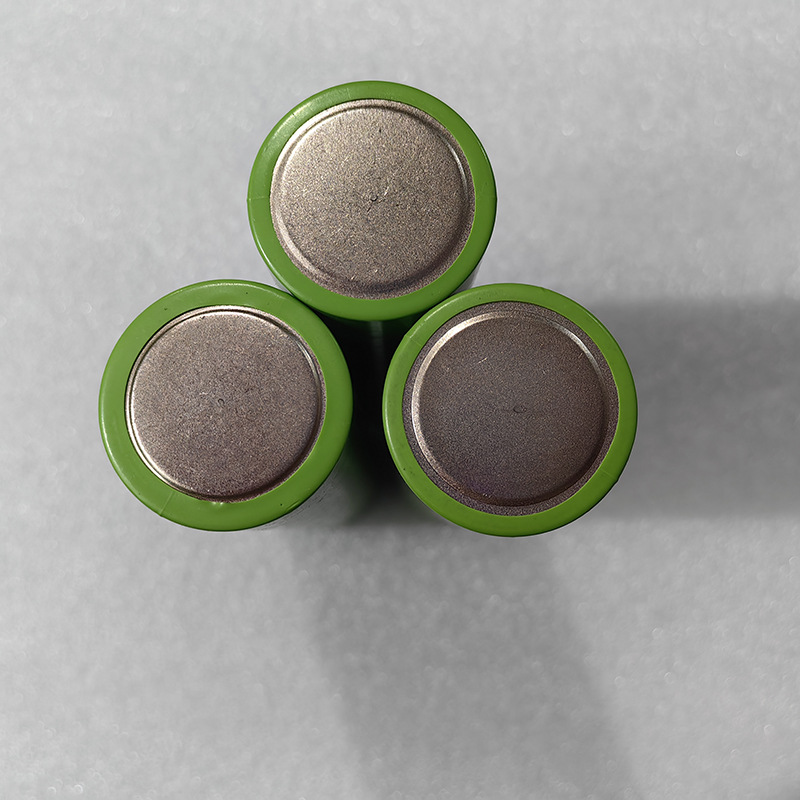
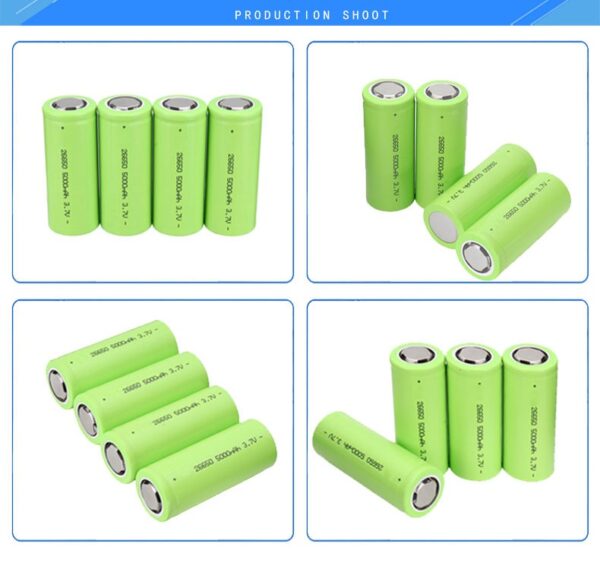
The 18650 designation refers to the physical dimensions: 18mm diameter, 65mm length, and cylindrical form factor (0). This standardized format, originally developed by Sony, has become an industry benchmark for lithium-ion cells. For floor washer applications, typical specifications include:
- Nominal Voltage: 3.6V or 3.7V per cell
- Capacity Range: 2000mAh to 3500mAh
- Continuous Discharge Rate: 5A to 20A depending on chemistry
- Operating Temperature: -20°C to 60°C
- Cycle Life: 500 to 2000 cycles at 80% DOD
Floor washers demand consistent power delivery during operation cycles, making discharge rate capability a critical selection parameter. Engineers must evaluate both continuous and peak discharge requirements based on motor specifications and cleaning intensity.
Key Technical Considerations for Floor Washer Applications
1. Discharge Rate and Power Density
Floor scrubber motors typically require sustained current delivery during operation. A standard commercial floor washer may draw 10A to 30A depending on brush motor and suction system requirements. When designing battery packs, engineers must calculate total current demand and distribute load across parallel cell configurations. For instance, a 10S4P configuration using 2000mAh cells with 10A continuous discharge capability can deliver 40A maximum continuous current.
2. Cycle Life and Durability
Commercial floor cleaning equipment operates in demanding environments with daily usage cycles. Battery cells must withstand 300 to 500 charge cycles annually while maintaining capacity above 80%. Lithium Iron Phosphate (LiFePO4) chemistry offers superior cycle life exceeding 2000 cycles, though at lower energy density compared to NMC or NCA chemistries. Procurement teams should evaluate total cost of ownership rather than initial purchase price.
3. Thermal Management
Battery pack temperature directly impacts performance and safety. Floor washers operating in warehouses or industrial facilities may experience ambient temperatures ranging from 5°C to 45°C. Proper thermal design includes adequate cell spacing, thermal interface materials, and ventilation pathways. Battery Management Systems (BMS) must monitor individual cell temperatures and implement protection protocols when thresholds are exceeded.
4. Safety and Certification Compliance
International markets require compliance with multiple safety standards including UN38.3, IEC62133, UL1642, and CE marking. Manufacturers must ensure cells meet transportation regulations and end-product certifications. Documentation including MSDS, test reports, and certificates of compliance should be verified during supplier qualification processes.
Battery Pack Configuration Strategies
Optimal pack design balances voltage requirements, capacity needs, and physical constraints. Common configurations for floor washers include:
- 24V Systems: 7S configuration (25.9V nominal)
- 36V Systems: 10S configuration (36V nominal)
- 48V Systems: 13S or 14S configuration (48V nominal)
Parallel cell count determines total capacity and discharge capability. Engineers should incorporate 10-20% capacity margin to account for aging and temperature effects. Cell matching within parallel groups is essential to prevent current imbalance and premature degradation.
Quality Assessment and Supplier Selection
When evaluating battery cell suppliers, technical procurement teams should consider:
- Manufacturing Consistency: Request cell capacity distribution data and internal resistance variance reports
- Quality Management: Verify ISO9001 certification and production traceability systems
- Technical Support: Assess engineering support capability for custom pack design
- Supply Chain Stability: Evaluate raw material sourcing and production capacity
Established manufacturers with vertical integration capabilities offer better quality control and supply reliability. For comprehensive manufacturer evaluation, visit battery manufacturers in China to compare supplier qualifications and production capabilities.
Integration Best Practices
Successful battery integration requires attention to mechanical, electrical, and thermal interfaces. Cell holders should provide adequate compression without exceeding maximum deformation limits. Welding parameters for nickel strip connections must be optimized to prevent heat damage to cell seals. BMS selection should match pack configuration with appropriate overcharge, over-discharge, and short-circuit protection thresholds.
For detailed cylindrical cell specifications and technical data sheets, explore our cylindrical battery cell product range to find cells matching your floor washer design requirements.
Conclusion
The 18650 battery cell remains a versatile solution for floor washer applications, offering proven performance, widespread availability, and competitive pricing. Success depends on proper cell selection, pack design, and supplier partnership. Engineering teams should prioritize cycle life, discharge capability, and safety compliance over initial cost considerations.
For technical consultation and customized battery solutions, contact our engineering team through our contact page. Our specialists can provide application-specific recommendations and sample cells for evaluation testing.
This technical guide serves as a reference for engineers and procurement professionals evaluating 18650 battery cells for commercial floor cleaning equipment. Specifications and recommendations should be validated against specific application requirements and local regulatory standards.