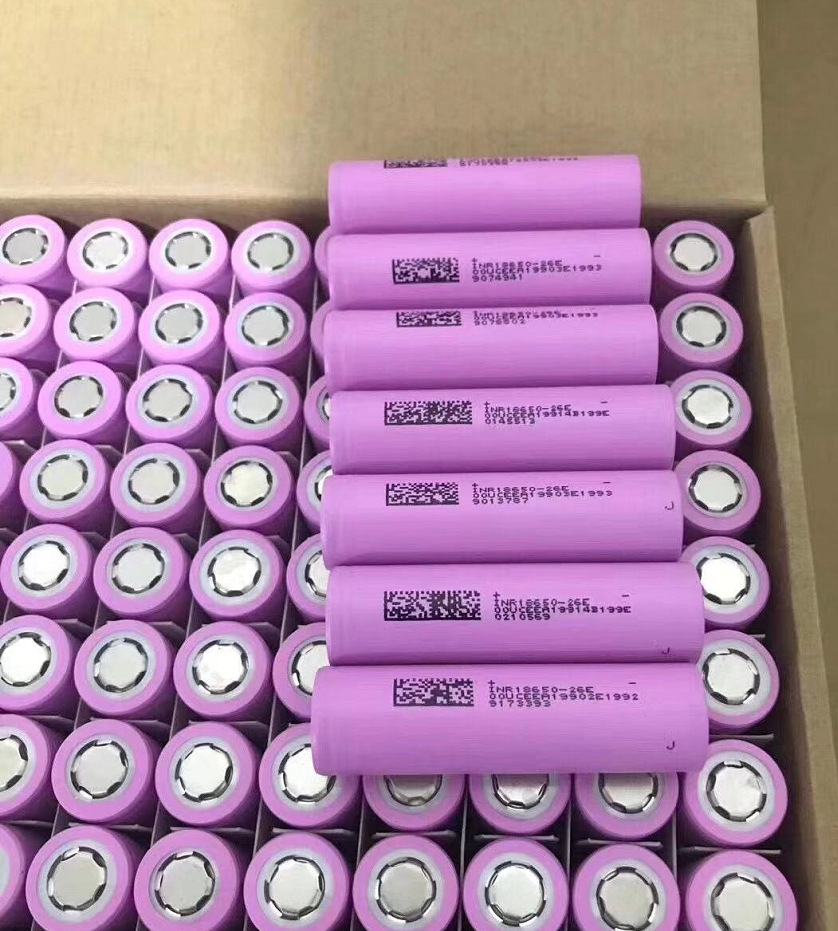
18650 Battery Cell 5000 Cycles | LFP CNS BATTERY
Understanding the Longevity Revolution in Lithium Iron Phosphate Technology
The demand for high-cycle-life energy storage solutions has intensified across industrial, commercial, and residential applications. Among various battery chemistries, the 18650 LFP (Lithium Iron Phosphate) battery cell has emerged as a cornerstone technology, delivering an exceptional 5000-cycle lifespan that redefines reliability expectations. This article examines the technical foundations, performance characteristics, and procurement considerations surrounding CNS BATTERY’s advanced LFP cylindrical cell offerings.
Core Technical Advantages of 18650 LFP Chemistry
1. Superior Cycle Life Performance
The 5000-cycle rating represents a significant advancement over traditional NMC or NCA lithium-ion chemistries, which typically offer 1000-2000 cycles. LFP chemistry achieves this through its stable olivine crystal structure, which minimizes structural degradation during repeated lithium-ion intercalation and deintercalation processes. This structural stability translates directly into extended operational lifespan, reducing total cost of ownership for long-term deployments.
2. Enhanced Thermal and Chemical Stability
LFP cells demonstrate superior thermal runaway resistance compared to cobalt-based alternatives. The strong phosphorus-oxygen bonds within the cathode material require substantially higher energy input to decompose, significantly reducing safety risks in high-temperature environments. For engineers designing battery packs for demanding applications, this inherent stability simplifies thermal management system requirements.
3. Consistent Voltage Platform
The nominal voltage of 3.2V per cell provides a stable discharge curve throughout most of the capacity range. This characteristic enables more predictable state-of-charge estimation and simplifies battery management system (BMS) algorithm design. For technical procurement teams, this consistency reduces calibration complexity across large-scale deployments.
Key Specifications for Engineering Evaluation
When evaluating 18650 LFP cells for integration, engineers should prioritize the following parameters:
| Parameter | Typical Value | Significance |
|---|---|---|
| Nominal Capacity | 2000-3500mAh | Determines energy density per cell |
| Cycle Life | 5000+ @ 80% DOD | Critical for lifecycle cost calculations |
| Operating Temperature | -20°C to 60°C | Defines environmental suitability |
| Maximum Continuous Discharge | 1C-3C | Impacts power delivery capability |
| Internal Resistance | <35mΩ | Affects efficiency and heat generation |
These specifications form the foundation for system-level design decisions. For detailed product specifications, visit our cylindrical battery cell product page.
Procurement Considerations for B2B Buyers
Quality Assurance and Manufacturing Standards
Selecting a reliable battery manufacturer requires thorough evaluation of production capabilities, quality control systems, and certification compliance. Chinese battery manufacturers have achieved significant technological maturity, with many facilities operating under ISO 9001, IATF 16949, and UN 38.3 standards. Understanding the manufacturing ecosystem is essential for informed sourcing decisions. Learn more about battery manufacturers in China.
Supply Chain Stability
Long-term project planning demands assurance of consistent supply availability. Established manufacturers maintain raw material partnerships and production capacity reserves to accommodate volume fluctuations. Technical procurement teams should verify lead times, minimum order quantities, and inventory management capabilities during vendor qualification processes.
Technical Support Infrastructure
Post-purchase support distinguishes premium suppliers from commodity vendors. Comprehensive technical documentation, application engineering assistance, and failure analysis capabilities provide critical value throughout the product lifecycle. Direct communication channels with engineering teams facilitate rapid problem resolution.
Application Scenarios Optimized for 5000-Cycle LFP Cells
The extended cycle life makes 18650 LFP batteries particularly suitable for:
- Stationary Energy Storage Systems (ESS): Solar and wind integration requiring daily cycling
- Electric Mobility: E-bikes, scooters, and light electric vehicles with frequent charge patterns
- Backup Power Solutions: UPS systems demanding reliable long-term performance
- Industrial Equipment: Forklifts, AGVs, and automated machinery operating multiple shifts
Each application benefits from the combination of safety, longevity, and cost-effectiveness that LFP chemistry delivers.
Conclusion: Strategic Investment in Long-Term Performance
The 18650 LFP battery cell with 5000-cycle capability represents more than incremental improvement—it establishes a new benchmark for sustainable energy storage. For engineers and procurement professionals, selecting the right battery partner directly impacts project success, operational reliability, and financial performance.
CNS BATTERY combines advanced LFP technology with comprehensive manufacturing capabilities to deliver solutions meeting rigorous international standards. Our technical team stands ready to support your specific application requirements with customized engineering assistance.
Ready to evaluate 18650 LFP cells for your next project? Contact our engineering team today to discuss specifications, sampling, and volume pricing. Visit our contact page to initiate technical consultations or request product documentation.
Technical specifications subject to verification based on specific product variants. All performance data reflects standard testing conditions at 25°C ambient temperature with recommended charge/discharge protocols.