

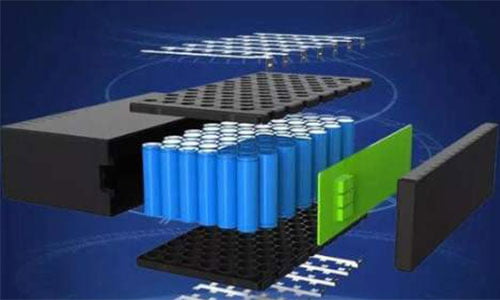
18650 Battery Cell 3.7V | NCM Lithium Cell CNS BATTERY
Understanding the Core Specifications
The 18650 lithium-ion battery cell has become an industry standard for portable power solutions across multiple sectors. With a nominal voltage of 3.7V and NCM (Nickel-Cobalt-Manganese) chemistry, these cells deliver optimal balance between energy density, safety, and cost-effectiveness. For B2B buyers evaluating power solutions, understanding the technical foundation is critical for informed procurement decisions.
Technical Breakdown: NCM Chemistry Advantages
NCM lithium cells combine three key metals in the cathode structure. Nickel provides high energy density, cobalt ensures structural stability, and manganese enhances thermal safety. This composition makes 18650 NCM cells particularly suitable for applications requiring consistent discharge rates and extended cycle life.
Typical specifications include:
- Nominal Voltage: 3.7V
- Capacity Range: 2000mAh to 3500mAh
- Cycle Life: 500-1000 full cycles
- Operating Temperature: -20°C to 60°C
- Internal Resistance: 30-80mΩ
Compliance and Certification Requirements
International B2B buyers must verify compliance with regional safety standards. Key certifications include UN38.3 for transportation, IEC62133 for safety, and CE/RoHS for European markets. Reputable manufacturers provide complete documentation packages including MSDS, test reports, and certification copies. Missing documentation often indicates supply chain risks that could delay customs clearance or void insurance coverage.
Application Scenarios and Compatibility
18650 cells serve diverse industries effectively. Power tool manufacturers value the high discharge capability, while consumer electronics brands prioritize capacity consistency. Energy storage system integrators focus on cycle life and thermal management compatibility.
When integrating 18650 cells into battery packs, consider:
- Cell matching within 50mV voltage tolerance
- Capacity variation under 3%
- Internal resistance consistency within 5mΩ
- Proper BMS selection for NCM chemistry
Procurement Best Practices for B2B Buyers
Quality Verification
Request pre-shipment samples for independent testing. Verify capacity through standardized discharge tests at 0.2C rate. Check dimensional tolerances against IEC standards. Reputable suppliers welcome third-party inspection and provide batch traceability.
Supply Chain Considerations
Evaluate manufacturer production capacity and lead times. Established facilities maintain raw material reserves to prevent supply disruptions. Review quality control processes including incoming material inspection, in-process testing, and final QC protocols.
Pricing Structure Understanding
NCM cell pricing correlates with cobalt market fluctuations. Long-term contracts with price adjustment clauses protect against volatility. Consider total cost of ownership including warranty terms, replacement policies, and technical support availability.
Manufacturer Selection Criteria
When evaluating Chinese battery manufacturers, verify production credentials and export experience. Established manufacturers maintain ISO9001 certification and operate automated production lines ensuring consistency. Review their client portfolio and request references from similar market segments.
For comprehensive product specifications and technical documentation, visit our cylindrical battery cell product page. Our engineering team provides application-specific recommendations based on your power requirements and operational conditions.
Risk Mitigation Strategies
Counterfeit Prevention
Verify manufacturer authenticity through official channels. Check company registration, factory audit reports, and export licenses. Counterfeit cells often show inconsistent labeling, poor weld quality, and capacity deviations exceeding 10%.
Logistics Planning
Account for lithium battery shipping regulations. Class 9 dangerous goods require specialized handling and documentation. Plan inventory buffers for customs clearance delays. Consider regional warehousing options for faster delivery to end markets.
Technical Support Expectations
Reliable suppliers provide ongoing technical assistance including pack design consultation, BMS compatibility guidance, and failure analysis support. This partnership approach reduces development timelines and improves final product reliability.
Conclusion
The 18650 3.7V NCM lithium cell represents a mature, cost-effective power solution for diverse B2B applications. Success depends on selecting qualified manufacturers, verifying compliance documentation, and implementing proper integration protocols. For detailed manufacturer credentials and factory information, explore our battery manufacturers in China resource page.
Partner with experienced suppliers who understand international market requirements and maintain transparent communication channels. For direct inquiries and customized quotations, contact our sales team through our official contact page.
Investing time in proper supplier evaluation and technical validation delivers long-term value through reliable performance, reduced warranty claims, and strengthened market reputation.
