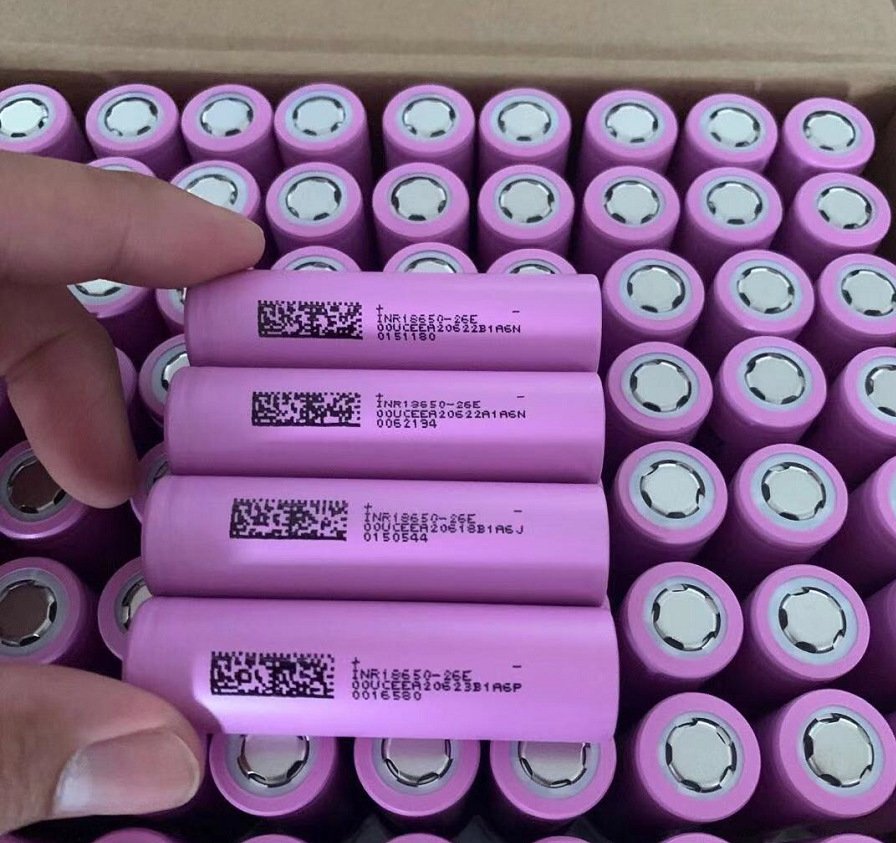
18650 & 21700 Battery Supplier: High Reliability for Power Tools B2B Export
Introduction
In the global power tool industry, battery performance directly impacts productivity, safety, and customer satisfaction. As cordless tools dominate the market, selecting the right cylindrical battery cell supplier becomes a critical decision for B2B buyers, distributors, and manufacturers. This article provides practical insights into 18650 and 21700 battery technologies, compliance requirements, and key procurement considerations for international trade.
Understanding 18650 vs. 21700 Battery Technology
18650 Cells (18mm diameter × 65mm length) have been the industry standard for over two decades. They offer proven reliability, mature supply chains, and cost-effectiveness for medium-power applications. Typical capacity ranges from 2,000-3,500mAh with discharge rates suitable for most professional power tools.
21700 Cells (21mm diameter × 70mm length) represent the next generation, delivering 20-50% higher energy density and improved thermal management. The larger form factor enables better heat dissipation during high-drain operations, making them ideal for demanding applications like angle grinders, rotary hammers, and chainsaws.
Technical Comparison:
- Energy Density: 21700 offers approximately 25% more capacity per cell
- Discharge Current: Both support 10C-30C continuous discharge for power tool applications
- Cycle Life: Quality cells deliver 500-1,000 full charge cycles at 80% capacity retention
- Operating Temperature: -20°C to 60°C for standard industrial grades
Critical Compliance Requirements for Export
International battery shipments must meet stringent regulatory standards:
UN38.3 Testing: Mandatory for all lithium battery exports, covering altitude simulation, thermal testing, vibration, shock, external short circuit, impact, overcharge, and forced discharge tests.
IEC 62133: Safety requirements for portable sealed secondary cells used in portable applications.
CE/RoHS/REACH: Essential for European market access, ensuring chemical safety and environmental compliance.
UL 1642/UL 2054: Recognized safety certifications for North American markets.
Transportation Classification: Proper UN classification (UN3480 for standalone batteries, UN3481 for batteries in equipment) and packaging group assignment are non-negotiable for customs clearance.
Reputable manufacturers maintain complete documentation packages including test reports, SDS (Safety Data Sheets), and certificates of conformity. For verified battery manufacturers in China with full compliance capabilities, visit https://cnsbattery.com/battery-manufacturers-in-china/
Procurement Best Practices for B2B Buyers
1. Supplier Qualification
- Verify ISO 9001/14001 certifications
- Request factory audit reports or arrange third-party inspections
- Confirm production capacity and lead time commitments
- Evaluate R&D capabilities for custom specifications
2. Quality Assurance
- Demand batch-level testing reports (capacity, IR, voltage consistency)
- Specify acceptable capacity tolerance (typically ±50mAh for premium grades)
- Require traceability systems for recall management
- Establish clear rejection criteria and return policies
3. Commercial Terms
- Negotiate MOQ flexibility for trial orders (typically 1,000-5,000 cells)
- Clarify Incoterms (FOB, CIF, or DDP based on your logistics capability)
- Secure warranty terms (12-24 months standard for industrial cells)
- Plan inventory buffers for supply chain continuity
4. Technical Support
- Ensure supplier provides application engineering support
- Request battery pack integration guidelines
- Confirm availability of technical documentation in English
- Verify after-sales response time commitments
Real-World Application Cases
Case 1: European Power Tool Distributor
A German distributor switched from 18650 to 21700 cells for their professional drill series. Results included 35% longer runtime, 15% weight reduction through fewer cells per pack, and improved customer satisfaction scores. Full compliance documentation enabled seamless EU market distribution.
Case 2: North American OEM Manufacturer
An American tool manufacturer partnered with a qualified Chinese supplier for custom 18650 cells with specific discharge profiles. The collaboration reduced unit costs by 18% while maintaining UL certification requirements. Consistent quality across 500,000+ cells enabled production scaling without quality incidents.
Case 3: Emerging Market Equipment Provider
A Southeast Asian equipment supplier required cost-effective 18650 solutions for mid-range tools. Working with an experienced export supplier ensured proper UN38.3 certification and temperature-appropriate cell chemistry for tropical climates, reducing field failure rates by 60%.
For comprehensive cylindrical battery cell options suitable for power tool applications, explore https://cnsbattery.com/products-3/cylindrical-battery-cell/
Supply Chain Risk Mitigation
Diversification Strategy: Maintain relationships with 2-3 qualified suppliers to prevent single-source dependency.
Inventory Planning: Keep 8-12 weeks of safety stock considering ocean freight timelines and potential port delays.
Quality Monitoring: Implement incoming inspection protocols even with certified suppliers to catch potential batch variations.
Communication Protocol: Establish dedicated account managers and escalation paths for urgent issues.
Conclusion
Selecting the right 18650 or 21700 battery supplier requires balancing technical specifications, compliance requirements, commercial terms, and long-term partnership potential. The power tool industry demands nothing less than exceptional reliability, as battery failures directly impact end-user safety and brand reputation.
Partner with suppliers who demonstrate transparency, maintain complete certification portfolios, and provide responsive technical support. Request samples for validation testing before committing to volume orders. Build relationships based on clear communication and mutual growth objectives.
For detailed product specifications, compliance documentation, or to discuss your specific power tool battery requirements, contact our international sales team at https://cnsbattery.com/contact-2/
Investing time in supplier qualification today prevents costly disruptions tomorrow. The right battery partner becomes a strategic advantage in the competitive global power tool market.