
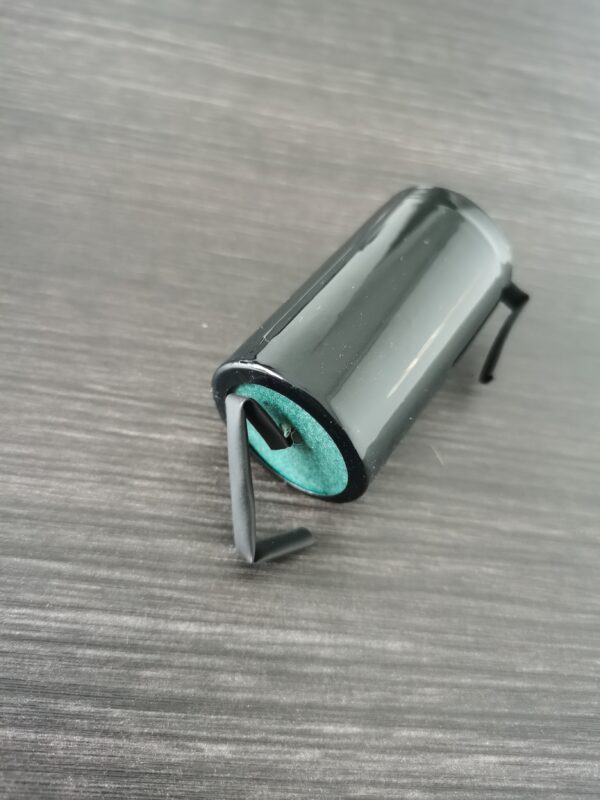
15C Pulse Discharge Li-SO₂ Emergency Battery: Technical Overview for Industrial Applications
Introduction
The 15C pulse discharge Li-SO₂ (Lithium-Sulfur Dioxide) emergency battery represents a critical power solution for mission-critical applications requiring high-current pulse capability and extended shelf life. Unlike conventional lithium primary batteries, Li-SO₂ chemistry delivers exceptional performance under demanding discharge conditions, making it the preferred choice for emergency backup systems, military equipment, and remote industrial installations. This article examines the technical fundamentals, operational characteristics, and selection criteria for 15C pulse discharge Li-SO₂ batteries from an engineering procurement perspective.
Understanding Li-SO₂ Battery Chemistry
Li-SO₂ batteries belong to the lithium primary (non-rechargeable) battery family, utilizing lithium metal as the anode and sulfur dioxide as the cathode active material. The electrochemical reaction occurs within an organic electrolyte solution, typically containing lithium bromide dissolved in acetonitrile. During discharge, lithium oxidizes at the anode while sulfur dioxide reduces at the cathode, producing lithium dithionite as the discharge product.
The nominal voltage of Li-SO₂ cells is 3.0V, with operating ranges typically between 2.0V to 3.3V depending on load conditions. What distinguishes Li-SO₂ from other lithium primary chemistries like Li-SOCl₂ (Lithium-Thionyl Chloride) is its superior pulse discharge capability and lower internal impedance, enabling high-current bursts without significant voltage depression.
15C Pulse Discharge Capability Explained
The “15C” designation indicates the battery can deliver pulse currents up to 15 times its rated capacity. For a 10Ah cell, this translates to 150A pulse current capability. This characteristic is essential for applications requiring intermittent high-power demands, such as:
- Emergency lighting systems
- Wireless sensor networks with transmission bursts
- Military communication equipment
- Downhole drilling instrumentation
- Aerospace backup power systems
The pulse discharge performance stems from the Li-SO₂ cell’s low internal resistance (typically 10-50 mΩ) and efficient ion transport within the electrolyte system. Unlike Li-SOCl₂ batteries that may experience voltage delay under high-rate discharge, Li-SO₂ cells maintain stable voltage profiles during pulse events.
Key Technical Specifications for Procurement
When evaluating 15C pulse discharge Li-SO₂ batteries for industrial deployment, technical buyers should verify the following parameters:
Operating Temperature Range: Quality Li-SO₂ cells operate reliably from -55°C to +70°C, with some specialized variants extending to +85°C. This wide temperature tolerance eliminates the need for thermal management in harsh environments.
Shelf Life: Properly manufactured Li-SO₂ batteries demonstrate less than 2% capacity loss per year at ambient storage conditions, providing 10+ year service life for emergency applications.
Energy Density: Volumetric energy density typically reaches 280-330 Wh/L, with gravimetric energy density around 150-180 Wh/kg, offering compact installation footprints.
Safety Features: Modern Li-SO₂ cells incorporate pressure relief vents, thermal fuses, and robust steel casing to prevent thermal runaway under abuse conditions.
Application-Specific Considerations
Emergency backup systems demand batteries that remain dormant for extended periods yet deliver instant power when activated. Li-SO₂ chemistry excels in this scenario due to minimal self-discharge and instant voltage response. However, engineers must account for the following:
Pulse Duration: While 15C capability exists, pulse width should not exceed specifications to prevent excessive heat generation. Typical pulse durations range from milliseconds to several seconds.
Recovery Time: Between pulse events, allow sufficient recovery time (typically 10-60 seconds) for voltage stabilization and heat dissipation.
Parallel Configuration: For higher capacity requirements, cells can be configured in parallel with individual diode protection to prevent cross-current issues.
Quality Assurance and Supplier Selection
Procurement decisions should prioritize manufacturers with established quality certifications (ISO 9001, UL, UN 38.3 transport approval). Request comprehensive test reports including pulse discharge curves, temperature cycling data, and shelf-life validation studies. Reputable suppliers provide application engineering support for optimal battery sizing and configuration.
For detailed product specifications and technical consultation, visit our primary battery product page. Our engineering team can assist with custom configuration requirements and volume procurement planning.
Conclusion
The 15C pulse discharge Li-SO₂ emergency battery delivers unmatched performance for high-current pulse applications requiring long-term reliability. Understanding the underlying chemistry, operational parameters, and application constraints enables informed procurement decisions that balance performance, cost, and safety requirements. As industrial IoT and remote monitoring systems proliferate, demand for robust primary power solutions continues growing, positioning Li-SO₂ technology as a strategic component in emergency power architecture.
For technical inquiries and quotation requests, please contact us through our contact page. Our specialists provide comprehensive support from initial specification through deployment validation.
