
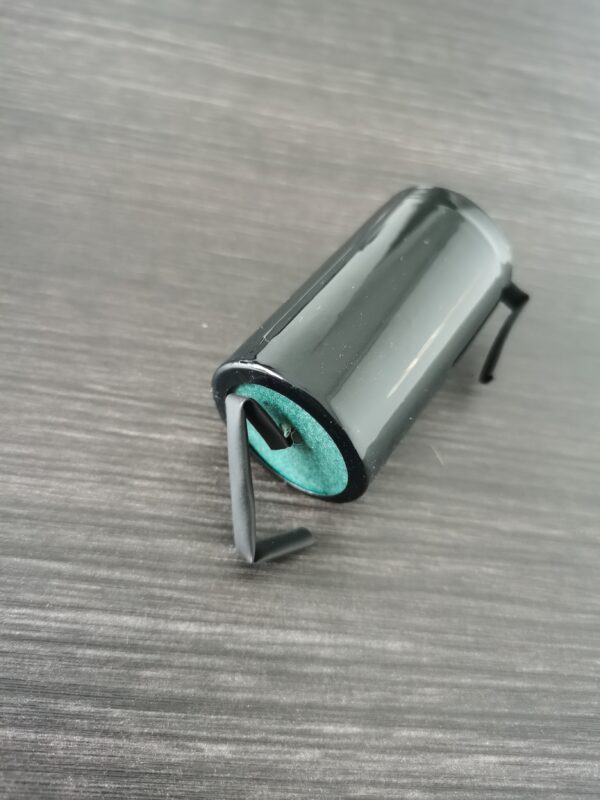
14C High Rate Discharge Li-SO₂ Aviation Battery: Powering Critical Aerospace Systems
In the high-stakes environment of aerospace and defense, the margin for error is zero. When it comes to powering critical emergency systems, standard batteries simply cannot meet the demand. This is where the 14C High Rate Discharge Li-SO₂ Aviation Battery enters the equation. Specifically engineered for extreme performance, this primary (non-rechargeable) battery chemistry delivers the instantaneous, high-current pulses required for life-saving equipment. For B2B procurement managers and aerospace engineers, understanding the technical nuances of Lithium-Thionyl Chloride (Li-SOCl₂) technology is not just about specification sheets; it is about ensuring mission success and passenger safety.
The Technical Core: Why Li-SO₂?
To appreciate the 14C designation, one must first understand the chemistry. Lithium-Thionyl Chloride batteries are renowned in the industry for their exceptional energy density and long shelf life, often exceeding 10 years in storage. However, their true differentiator is their ability to handle high-rate discharge.
Unlike consumer-grade Lithium-Ion cells, primary lithium batteries utilize non-aqueous electrolytes. This eliminates the risk of freezing or boiling within a wide operational temperature range, a non-negotiable feature for aviation applications where temperatures can plummet at high altitudes.
The “14C” rating refers to the discharge capability relative to the battery’s capacity. In technical terms, a “C” rate defines how quickly a battery charges or discharges relative to its maximum capacity. A 1C rate means the battery would theoretically discharge its entire capacity in one hour. Therefore, a 14C High Rate Discharge specification indicates that this battery can safely deliver a current 14 times higher than its nominal capacity in a single hour. For example, a cell with a 10Ah capacity rated at 14C can theoretically deliver 140 Amps of current. This capability is critical for applications requiring explosive power in a fraction of a second.
Aerospace Applications and System Integration
The primary use case for this specific high-rate discharge profile is within Emergency Locator Transmitters (ELTs) and Underwater Locator Beacons (ULBs), commonly known as “black box” pingers. These systems are dormant for the lifespan of the aircraft but must activate instantly upon impact or water immersion.
- High Current Demand: ELTs require a massive surge of power to penetrate the fuselage and transmit a distress signal through debris or water. The 14C rating ensures the battery can overcome the internal resistance and deliver the necessary voltage spike.
- Voltage Stability: During the discharge cycle, maintaining a stable voltage curve is vital for the transmitter’s circuitry. Li-SO₂ chemistry provides a relatively flat discharge curve, ensuring consistent RF output strength until depletion.
- Thermal Management: In high-rate discharge scenarios, heat generation is a primary concern. These batteries are engineered with specific cathode structures and safety vents to manage the exothermic reaction, preventing thermal runaway even under maximum load.
Procurement and Logistics: What Buyers Need to Know
For supply chain managers sourcing components for Original Equipment Manufacturers (OEMs) or Maintenance, Repair, and Operations (MRO) operations, several technical and compliance factors must be considered before acquisition.
1. Shelf Life and Activation
These batteries are designed for long-term storage without capacity loss. However, they often feature a “sleep” mode to prevent accidental discharge. Procurement teams must verify the activation mechanism—whether it is water-activated (for ULBs) or impact-activated (for ELTs)—to ensure compatibility with the specific aircraft model.
2. UN/DOT Compliance
Transporting Lithium metal batteries is strictly regulated under UN 3090. The 14C High Rate Discharge variant requires specific handling documentation due to its high energy density. Buyers must ensure the supplier provides the necessary Material Safety Data Sheets (MSDS) and that the packaging meets IATA DGR standards for air freight.
3. Quality Assurance
Given the safety-critical nature of these components, sourcing from a manufacturer with rigorous quality management systems is imperative. Certifications such as ISO 9001 and AS9100 are standard requirements in the aviation sector to guarantee zero-defect production lines.
The CNS BATTERY Advantage
Selecting the right partner for your high-rate discharge battery needs involves more than just purchasing a component; it involves securing a supply chain for safety equipment.
Precision Engineering
Our manufacturing process utilizes advanced automated assembly lines to ensure the precise winding and sealing of the 14C cells. This precision engineering minimizes internal resistance, which is the key factor enabling the 14C discharge rate without voltage sag.
Customization for OEMs
While the standard 14C cell is widely used, we understand that aerospace integrations often require bespoke solutions. Whether it is a modified terminal configuration, a specific housing material for corrosion resistance, or a tailored discharge profile, our R&D team works directly with engineering departments to deliver customized power solutions.
Global Support
Navigating the complexities of international shipping for hazardous materials can be a logistical hurdle. We provide comprehensive support for documentation and logistics to ensure your order arrives on time and compliant with local regulations.
For aerospace professionals seeking a reliable source for 14C High Rate Discharge Li-SO₂ Aviation Battery technology, we invite you to explore our product specifications and connect with our technical sales team. Whether you are integrating these cells into new safety systems or managing inventory for maintenance cycles, our expertise ensures you receive a product that meets the highest standards of reliability.
Explore the technical details of our primary battery lineup and discover how our high-rate discharge solutions can meet your aerospace requirements:
Learn More About Our Primary Battery Solutions
Contact our sales engineers today to discuss your specific technical requirements and procurement needs:
Contact Us for Technical Support
