
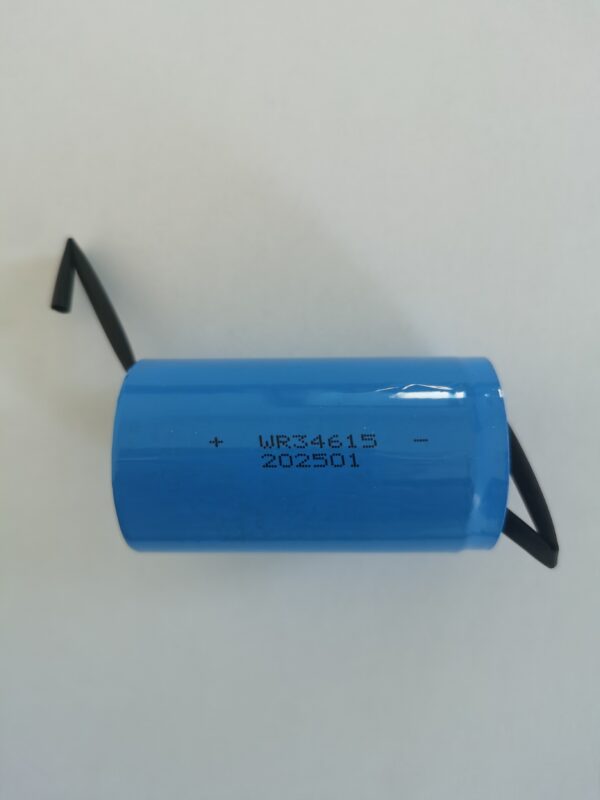
12C Pulse Discharge Li-SO₂ Emergency Lighting Battery: Technical Analysis for Critical Power Systems
In the realm of critical infrastructure and industrial safety, emergency lighting systems represent a non-negotiable line of defense. When main power fails, the reliability of the backup power source determines the efficacy of evacuation protocols. As we advance into 2026, the demand for high-performance primary lithium batteries has intensified, particularly for applications requiring long-term standby followed by immediate, high-current discharge. The 12C Pulse Discharge Li-SO₂ Emergency Lighting Battery stands at the forefront of this technology, offering a robust solution for engineers and technical purchasers tasked with specifying fail-safe power systems.
Understanding Li-SO₂ Chemistry in Critical Applications
Lithium Sulfur Dioxide (Li-SO₂) technology is distinct from common Lithium-Ion or Alkaline chemistries. It is a primary (non-rechargeable) battery system characterized by a liquid cathode of sulfur dioxide and an anode of lithium metal. The nominal voltage of a single cell is typically 3.0V, with a flat discharge curve that ensures consistent luminous output from lighting fixtures throughout the battery’s life.
For emergency lighting, the key advantage lies in the energy density and the electrochemical stability. Unlike rechargeable systems that suffer from self-discharge and memory effects over years of inactivity, Li-SO₂ cells maintain over 90% of their capacity after 10 years of storage at ambient temperatures. This makes them ideal for “fit-and-forget” installations in high-rise buildings, tunnels, and hazardous locations where maintenance access is restricted or costly.
The Significance of 12C Pulse Discharge Capability
The defining technical specification for modern emergency lighting is the pulse discharge rate. In this context, “12C” refers to the battery’s ability to deliver a current pulse equivalent to 12 times its rated capacity (Ah) for short durations.
Technical Breakdown:
- Standby Mode: The battery remains in a low-current state (micro-amps) for years, monitoring the circuit.
- Emergency Trigger: Upon power failure, the system must instantly drive high-intensity LEDs or strobe lights.
- Voltage Depression Mitigation: A standard battery might experience significant voltage drop under high load, causing lights to dim or flicker. A 12C-rated Li-SO₂ battery is engineered with optimized electrode surface area and electrolyte conductivity to minimize voltage depression during these high-current spikes.
For technical purchasers, this means ensuring that the selected battery can handle the inrush current of modern LED drivers without triggering low-voltage cutoffs. In 2026, as lighting efficiency improves, the power draw becomes more pulsed and dynamic, making the 12C rating a critical threshold for compliance with safety standards such as UL 924 or EN 50172.
Environmental Resilience and Operational Range
Emergency systems are often installed in unconditioned spaces—ceilings, shafts, or outdoor enclosures—where temperatures fluctuate wildly. Li-SO₂ chemistry excels here, operating reliably from -55°C to +70°C.
This wide thermal window is crucial for:
- Cold Storage Facilities: Ensuring lights function in freezing environments where alkaline or Ni-Cd batteries would fail.
- Industrial Hot Zones: Maintaining integrity near machinery or in regions with extreme summer heat.
- Humidity Resistance: Hermetically sealed glass-to-metal constructions prevent electrolyte leakage and corrosion, a common failure point in humid coastal installations.
Safety, Compliance, and B2B Integration
For engineers specifying components, safety is paramount. Li-SO₂ batteries are classified under UN38.3 for transportation and must meet IEC 60086 standards. Modern manufacturing processes include PTC (Positive Temperature Coefficient) devices and pressure-resistant vents to prevent thermal runaway, although the chemistry itself is inherently stable compared to some rechargeable lithium variants.
When integrating these cells into emergency lighting assemblies, it is vital to source from manufacturers who provide full traceability and compliance documentation. This ensures that the final product meets local fire safety regulations and insurance requirements.
Selecting the Right Power Source
Choosing the correct primary battery involves balancing capacity, pulse current, and physical dimensions. While standard bobbin-type cells offer high capacity, spiral-wound constructions are often preferred for high-drain applications like the 12C pulse requirements discussed here.
For comprehensive technical datasheets and customization options regarding primary lithium battery solutions, professionals are encouraged to explore the full range of specifications available at https://cnsbattery.com/primary-battery/. This resource provides detailed insights into cell dimensions, discharge curves, and compliance certifications necessary for engineering validation.
Conclusion
The 12C Pulse Discharge Li-SO₂ Emergency Lighting Battery is more than just a power cell; it is a critical safety component engineered for reliability under stress. Its ability to combine decade-long shelf life with instantaneous high-current delivery makes it the superior choice for next-generation emergency lighting systems. As infrastructure standards evolve in 2026, specifying high-pulse primary lithium technology ensures that safety systems perform when they are needed most.
For further technical consultation, bulk procurement inquiries, or custom battery pack integration, please contact our engineering team directly via https://cnsbattery.com/primary-battery-contact-us/. Ensuring power reliability starts with choosing the right chemistry partner.
