

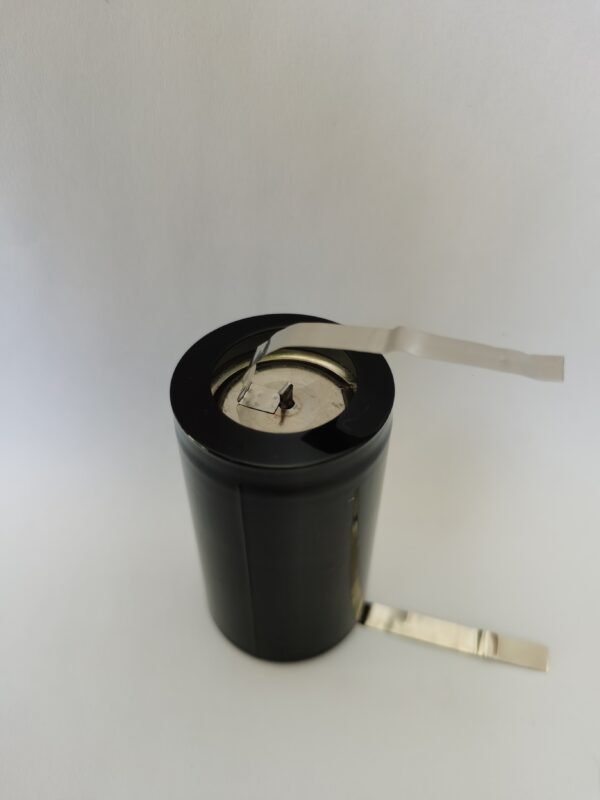
Engineering Reliability: The Role of 10C Pulse Discharge Li-MnO₂ High Drain Batteries in Critical Systems
In the evolving landscape of industrial IoT, medical technology, and security systems, power requirements have shifted dramatically. Devices are no longer satisfied with steady, low-current consumption; they demand significant energy bursts to transmit data, activate sensors, or trigger alarms. This shift has placed the 10C Pulse Discharge Li-MnO₂ High Drain Battery at the forefront of primary power solutions. For procurement managers and engineering teams sourcing components for critical applications, understanding the technical nuances and compliance standards of these high-drain cells is essential for system reliability.
Understanding the 10C Pulse Capability
The term “10C” refers to the discharge rate relative to the battery’s capacity. For a primary lithium manganese dioxide (Li-MnO₂) cell, achieving a 10C pulse discharge capability is a significant engineering feat. Standard Li-MnO₂ batteries are renowned for their high energy density and long shelf life, but traditional designs often struggle with high current loads due to internal resistance and voltage delay.
A high-drain variant optimized for 10C pulses utilizes specialized electrode structures and electrolyte formulations to minimize internal impedance. This ensures that when a device requires a sudden surge of power—such as a GSM module transmitting a signal or a medical device delivering a therapy pulse—the battery maintains voltage stability without collapsing. The chemistry remains non-rechargeable, offering the safety and longevity of primary lithium technology but with the power delivery characteristics typically associated with secondary lithium-ion cells.
Technical Advantages in High-Drain Scenarios
The core advantage of a high-drain Li-MnO₂ battery lies in its ability to balance energy density with power density. In many remote applications, replacing rechargeable batteries is impractical due to the lack of charging infrastructure or the need for maintenance-free operation over 10+ years.
- Voltage Stability: During a 10C pulse, voltage drop is minimized. This is critical for microcontrollers that may reset if the supply voltage dips below a certain threshold.
- Temperature Performance: High-quality cells maintain pulse capability across a wide temperature range, typically from -40°C to +85°C. This is vital for outdoor utility meters or automotive tracking devices.
- Low Self-Discharge: Despite the high-drain capability, the chemistry retains the low self-discharge rate of standard Li-MnO₂, ensuring long shelf life and operational longevity.
Real-World Application Cases
To illustrate the practical necessity of these batteries, consider the following sectors:
- Medical Devices: Implantable or portable medical equipment, such as external defibrillators or drug delivery pumps, requires absolute reliability. A 10C pulse capability ensures the device can deliver high-energy therapy instantly after years of standby.
- Smart Utility Metering: Advanced Metering Infrastructure (AMI) often uses wireless modules that sleep for long periods but wake up to transmit large data packets. High-drain primary batteries support these transmission bursts without requiring oversized battery packs.
- Security and Emergency Beacons: EPIRBs (Emergency Position Indicating Radio Beacons) and security alarms must function immediately after long dormancy. The ability to handle high current pulses ensures the signal is strong enough to reach satellites or monitoring centers.
For engineers evaluating specific cell formats and capacities suitable for these applications, detailed specifications are available at our product page.
Procurement and Compliance Considerations
When sourcing 10C Pulse Discharge Li-MnO₂ batteries for B2B projects, technical performance is only half the equation. Compliance and supply chain stability are equally critical.
Regulatory Compliance:
Ensure that the battery cells comply with international transport and safety standards. Key certifications include:
- UN38.3: Mandatory for the transportation of lithium batteries.
- IEC 60086: Standards for primary batteries.
- RoHS & REACH: Ensuring environmental compliance for global markets.
Quality Consistency:
High-drain applications leave little room for error. Variations in internal resistance between cells can lead to inconsistent performance in battery packs. Procurement teams should request batch testing reports and verify the manufacturer’s quality management systems (e.g., ISO 9001).
Customization and Integration:
Off-the-shelf cells may not fit unique mechanical constraints. Many manufacturers offer customization options for terminals, wiring, and packaging. Discussing these requirements early in the design phase can prevent costly redesigns later.
Partnering for Power Solutions
Selecting the right battery partner involves more than just comparing datasheets. It requires a vendor who understands the intricacies of high-drain applications and can provide technical support throughout the product lifecycle. Whether you are developing a new medical device or upgrading an IoT network, the power source is the heartbeat of your system.
For detailed technical consultations, custom quotes, or to discuss specific project requirements regarding high-drain primary batteries, our engineering team is ready to assist. You can reach us directly through our contact page.
Conclusion
The 10C Pulse Discharge Li-MnO₂ High Drain Battery represents a critical evolution in primary power technology, bridging the gap between long-life storage and high-power delivery. By prioritizing voltage stability, temperature resilience, and regulatory compliance, businesses can ensure their devices perform reliably in the most demanding conditions. As device power profiles become more dynamic, investing in high-quality, high-drain primary cells is a strategic decision that safeguards product performance and brand reputation.


