
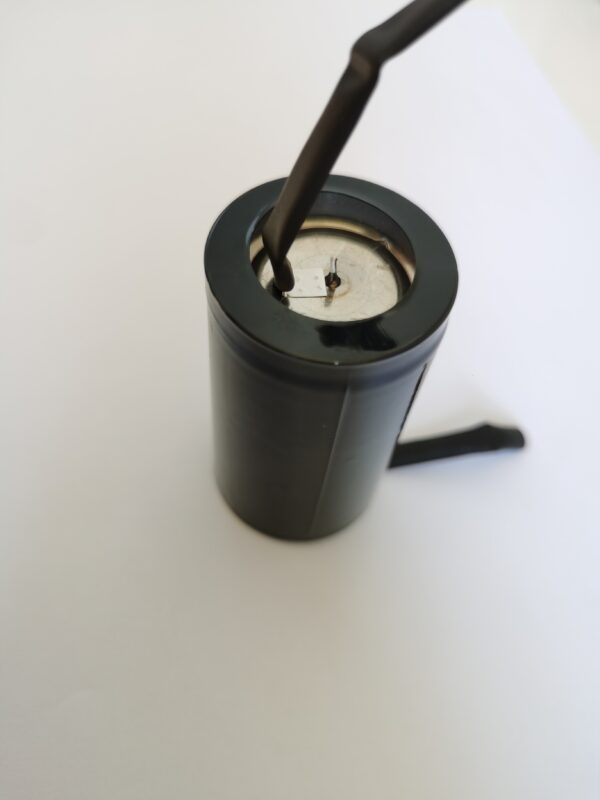
The 0.55% Annual Self-Discharge Li-MnO₂ Coin Cell: A Technical Deep Dive for Engineers
In the realm of industrial electronics and long-term IoT applications, battery longevity is not merely a convenience—it is a critical engineering constraint. For designers and procurement specialists evaluating power sources for medical devices, smart meters, or memory backup systems, the specification that often dictates the final decision is self-discharge rate. Today, we are dissecting the engineering behind the 0.55% Annual Self-Discharge Li-MnO₂ Coin Cell, a specification that represents the pinnacle of primary lithium battery technology.
As a manufacturer specializing in high-reliability primary batteries, we understand that a low self-discharge rate translates directly into reduced maintenance costs, extended product shelf life, and enhanced safety. This article serves as a technical guide to understanding why this specific metric matters and how our Li-MnO₂ Coin Cells are engineered to meet these rigorous standards.
The Science of Self-Discharge: Why 0.55% Matters
Self-discharge is the phenomenon where a battery loses its charge while in storage or idle mode. While all batteries experience this, the rate varies significantly based on chemistry and manufacturing quality.
Technical Breakdown:
The 0.55% annual self-discharge figure is exceptionally low. To put this into perspective:
- Standard Alkaline Batteries: Typically lose 2% to 3% of their charge per year.
- Standard Lithium Coin Cells: Often range between 1% to 2% per year.
- Our Li-MnO₂ Technology: Achieves a loss of merely 0.55% per year.
Calculation:
If we assume a nominal capacity of 200mAh:
$$ \text{Annual Loss} = 200 \text{mAh} \times 0.0055 = 1.1 \text{mAh lost per year} $$
This negligible loss means that after 10 years, the battery retains over 94% of its original capacity. This is achieved through the use of high-purity electrolytes and a robust hermetic sealing process that prevents internal chemical reactions from degrading the cell when not in use.
The Superiority of Lithium Manganese Dioxide (Li-MnO₂) Chemistry
To understand the reliability of our coin cells, one must first understand the chemistry. The Li-MnO₂ system is distinct from the more common Lithium-Ion (Li-Ion) or Lithium-Carbon Monofluoride (Li-CFx) systems.
Key Characteristics:
- High Voltage Platform: Li-MnO₂ cells operate at a nominal voltage of 3.0V, which is double that of standard alkaline cells (1.5V). This allows for smaller circuit designs and fewer cells in series.
- Wide Temperature Tolerance: These cells are engineered to function reliably from -40°C to +85°C. This is crucial for outdoor applications or industrial environments where temperature control is not feasible.
- Passivation Layer: A unique feature of this chemistry is the formation of a thin passivation layer (Li₂MnO₃) on the lithium anode. This layer acts as a protective barrier, significantly slowing down the self-discharge process.
Comparison Table:
| Feature | Li-MnO₂ Coin Cell | Standard Alkaline | Lithium-Ion (Rechargeable) |
|---|---|---|---|
| Nominal Voltage | 3.0V | 1.5V | 3.6V – 3.7V |
| Self-Discharge Rate | 0.55% / year | 2-3% / year | 1-2% / month |
| Typical Lifespan | 10-15 years | 2-5 years | 2-3 years (cycles) |
| Primary Use Case | Long-term backup, Meters | Remote controls, Toys | Smartphones, Laptops |
Applications Demanding Ultra-Low Self-Discharge
The 0.55% metric is not just a number on a datasheet; it is a solution to specific engineering challenges.
- Smart Metering (Gas & Water):
Utility meters are often buried underground or placed in inaccessible locations. Replacing a battery requires significant labor costs. A battery that loses only 0.55% of its charge annually ensures the meter remains functional for the entire lifecycle of the device (often 15+ years) without intervention. - Medical Data Recorders:
In medical IoT devices, data integrity is paramount. A sudden drop in voltage due to high self-discharge can corrupt patient data. The stable voltage plateau and low self-discharge of the Li-MnO₂ cell ensure that critical data is preserved during long periods of standby. - Automotive Keyless Entry (Fobs):
While often associated with CR2032 cells, the automotive industry demands batteries that can sit on a dealer’s shelf for years and still function when the customer drives off the lot. Our cells guarantee that the fob will have full power even after extended storage.
Engineering for Reliability: The Manufacturing Process
Achieving a 0.55% self-discharge rate requires more than just good chemistry; it requires precision engineering.
The Sealing Process:
The primary cause of self-discharge in coin cells is moisture ingress or electrolyte leakage. Our manufacturing process utilizes a double-seal laser welding technique. This creates a hermetic seal between the cathode and anode cases, preventing any external moisture from entering the cell and any internal electrolyte from escaping.
Quality Control:
Every batch undergoes rigorous testing:
- High-Temperature Storage Test: Cells are stored at 60°C for 7 days to accelerate any potential self-discharge.
- Leakage Testing: Using helium mass spectrometry to detect micro-leaks invisible to the human eye.
Why Choose Our Li-MnO₂ Coin Cells?
In a market flooded with generic components, selecting a battery partner is about mitigating risk. Our Primary Battery line, specifically the Li-MnO₂ series, is designed for engineers who cannot afford field failures.
We do not just sell cells; we provide power solutions backed by decades of R&D in primary lithium technology. Whether you are designing the next generation of smart infrastructure or a critical medical device, our cells offer the peace of mind that comes with knowing your power source will outlast the device itself.
Ready to integrate a battery that guarantees performance for over a decade? Explore our technical datasheets or speak with our engineering team to discuss your specific voltage and capacity requirements.
Contact us today to request samples or a detailed quotation:
Contact Us
