
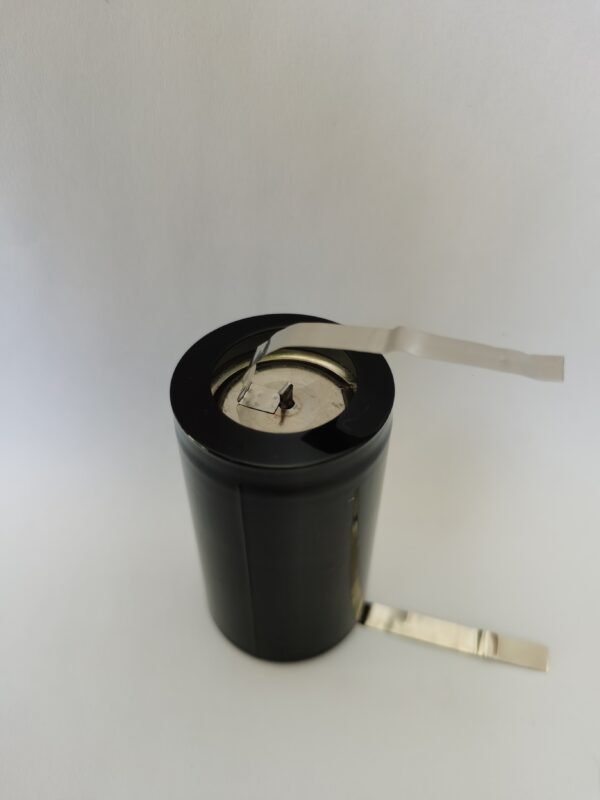
The Ultimate Guide to 0.5% Annual Self-Discharge Li-SOCl₂ Batteries
In the realm of industrial electronics and IoT, the biggest enemy is often not failure, but downtime. Imagine a remote telemetry unit in the middle of the ocean or a smart meter buried underground failing not because of a design flaw, but because the battery died. This is where Lithium Thionyl Chloride (Li-SOCl₂) batteries step in as the silent guardians of critical infrastructure.
Specifically, the industry is shifting toward batteries boasting a 0.5% annual self-discharge rate and a 20-year shelf life. These figures aren’t just marketing jargon; they represent a fundamental shift in reliability engineering. For engineers and procurement managers, selecting a battery with these specifications means designing out the risk of unexpected maintenance for decades.
This guide will dissect why Li-SOCl₂ technology is the gold standard for long-term deployments and how the 0.5% metric defines the next generation of primary (non-rechargeable) batteries.
Understanding the Chemistry: Why Lithium Thionyl Chloride?
To appreciate the 0.5% figure, we must first understand the chemistry. Unlike standard Lithium-Ion batteries designed for high energy density and reusability, Li-SOCl₂ batteries are built for longevity and stability.
The Science of Stability
The core advantage lies in the electrolyte. Thionyl Chloride is a highly stable solvent. When paired with a Lithium metal anode, the chemical reaction is incredibly slow when the battery is in “sleep” mode (open circuit). This results in one of the lowest self-discharge rates of any battery chemistry available today.
Key Characteristics:
- Voltage: 3.6V nominal (significantly higher than Alkaline or Lithium-Ion).
- Energy Density: Extremely high (up to 710 Wh/kg).
- Temperature Range: Operates effectively from -55°C to +85°C (ideal for harsh environments).
While the chemistry is robust, the engineering challenge lies in minimizing internal micro-shorts and impurities. Achieving a 0.5% annual loss requires ultra-high purity materials and hermetic sealing technology that prevents moisture ingress for 20 years.
The 0.5% Benchmark: A Deep Dive into Longevity
You might ask, “What does 0.5% actually mean in real-world terms?” Let’s break down the math to understand why this number is a game-changer for your BOM (Bill of Materials).
The Math Behind the Metric
Self-discharge is the gradual loss of charge when a battery is not in use. A standard primary lithium battery might lose 1% to 2% per year. However, a 0.5% annual self-discharge rate is the hallmark of premium-grade cells.
- Calculation: If a battery loses 0.5% per year, after 20 years, it retains roughly 90% of its original capacity.
- Shelf Life: This low decay rate directly correlates to a 20-year shelf life. For industrial applications, this means the battery will outlive the electronic device it powers, or at least require servicing only once in a generation.
Why It Matters for Your Application
For engineers, this translates to Predictive Maintenance. You are no longer guessing when a battery might fail. If you design a device with a 15-year lifespan and use a 0.5% discharge cell, you have a massive safety margin. This is critical for applications where replacing a battery involves high labor costs, such as in remote oil & gas sensors or implanted medical devices.
Applications Where 0.5% Self-Discharge is Non-Negotiable
Not every device needs a 20-year battery. However, for specific sectors, this specification is mandatory. These batteries are the backbone of the “Install and Forget” philosophy.
1. Smart Metering (Gas & Water)
Gas and water meters are often located in basements, underground pits, or remote locations. Regulatory bodies often require these meters to function for 15–20 years without battery replacement. A Li-SOCl₂ battery with 0.5% self-discharge ensures the meter keeps accurate logs and transmits data reliably until the end of its lifecycle.
2. Industrial IoT & Telemetry
Remote monitoring stations in agriculture, weather tracking, or asset tracking rely on batteries that won’t die during a critical data transmission window. The high voltage (3.6V) of Li-SOCl₂ also allows these devices to operate efficiently in cold climates where standard batteries fail.
3. Memory Backup and Real-Time Clocks (RTC)
In industrial control panels and servers, maintaining time and memory during power outages is vital. These batteries ensure that critical system data is preserved even if the main power is off for years.
4. Medical Implants and Safety Equipment
For life-critical devices, the risk of premature failure is unacceptable. The 20-year shelf life provides the necessary assurance for both manufacturers and patients.
Designing with Primary Lithium: Best Practices for Engineers
While Li-SOCl₂ batteries are incredibly reliable, they do have unique characteristics that engineers must respect during the design phase. Ignoring these nuances can lead to voltage delay issues or passivation.
Managing Passivation
Passivation is a thin film that forms on the lithium anode when the battery is stored. This is actually a good thing (it causes the low self-discharge), but it can cause a temporary voltage drop when a high current is first drawn.
- Design Tip: If your application requires high pulses (e.g., for wireless transmission), you must design with either:
- A hybrid layer capacitor (HLC) to handle the pulse.
- A “bobbin” style cell, which handles pulses better than “slotted” or “spray” wound cells.
- A pre-conditioning cycle in the firmware to “wake up” the battery before full operation.
Temperature Compensation
While these batteries work in extreme cold, their internal resistance increases as temperatures drop. Ensure your circuit design accounts for this by not drawing peak currents below freezing temperatures unless the cell is specifically rated for it.
Choosing the Right Partner: Quality Assurance in Production
Selecting a battery with a 0.5% specification is only half the battle. You need to ensure that the cells you receive in your factory meet this standard batch after batch. This is where rigorous quality management separates the leaders from the pack.
The Manufacturing Difference
Achieving 20-year reliability requires more than just chemistry; it requires precision engineering.
- Hermetic Sealing: The seal between the metal can and the lid must be perfect. Any microscopic leak will introduce moisture, accelerating self-discharge and potentially causing leakage.
- Material Purity: Impurities in the electrolyte or electrode materials act as catalysts for unwanted side reactions, increasing the self-discharge rate above the 0.5% threshold.
Partnering with a manufacturer that utilizes Advanced Manufacturing techniques and rigorous Quality Management systems is non-negotiable. You need a partner who treats every battery as a “masterpiece of craftsmanship,” ensuring that the 20-year shelf life printed on the datasheet is a guarantee, not a hope.
Conclusion: Investing in Long-Term Reliability
In the fast-paced world of electronics, planning for 20 years ahead might seem counterintuitive. However, for industrial applications, longevity is the ultimate feature. A 0.5% annual self-discharge rate is the benchmark for reliability, ensuring that your devices remain functional, accurate, and maintenance-free for decades.
When sourcing these critical components, don’t settle for vague promises. Look for manufacturers who back their claims with robust R&D capabilities and stringent quality control. By choosing the right Primary Lithium Battery, you are not just buying power; you are buying peace of mind for the next twenty years.
Ready to power your next long-life application? Explore our range of high-reliability Li-SOCl₂ solutions designed for industrial durability.
- View our Product Line: 0.5% Annual Self-Discharge Li-SOCl₂ Battery Products
- Contact our Engineering Team: Get in Touch for Custom Solutions
