The Ultimate Nissan Leaf CATL vs Envision AESC Guide for 2026
As we move further into 2026, the electric vehicle market has matured significantly, but one challenge remains constant for Nissan Leaf owners: battery degradation. Whether you drive a 2013 Leaf ZE0 or a 2019 Leaf e-Plus, the dreaded “range anxiety” often returns when the battery health dips below 70%.
If you’re facing a battery replacement decision this year, you’ve likely come across two major cell manufacturers: CATL (Contemporary Amperex Technology Co. Limited) and Envision AESC (Automotive Energy Supply Corporation). Understanding the difference between these two is no longer just technical jargon; it’s the key to saving thousands of dollars and ensuring your car lasts for another decade.
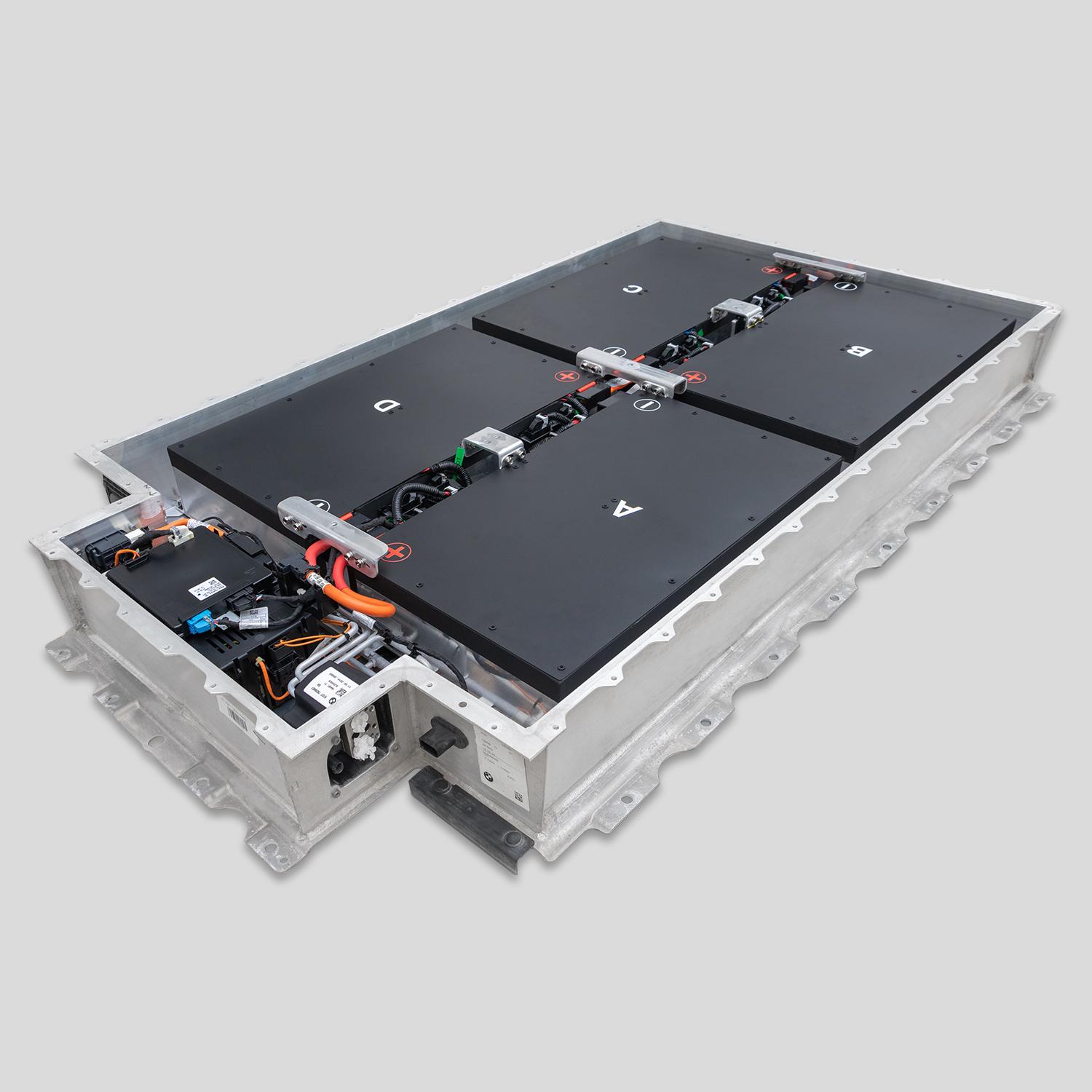
At CNS Battery, we’ve spent over a decade reverse-engineering the Nissan Leaf and BMW i3 powertrains. We’ve tested cells from every major manufacturer, but for 2026, our data shows a clear winner for longevity and value. This guide will break down the technicalities and help you make the best choice for your wallet and your driving needs.
Why 2026 is the Year to Upgrade Your EV Battery
The automotive landscape in 2026 is vastly different. With supply chains stabilized and battery technology standardized, the aftermarket has flourished. However, the original batteries in early-generation Leafs (ZE0, ZE1) are now showing their age.
You might be wondering: “Should I scrap my car or replace the battery?”
The answer is simple: Replace the battery. A complete replacement of the battery pack can restore your vehicle to 95% of its original performance. But here is where the choice gets tricky. You have two primary options for the cells inside that new pack: Envision AESC (the original supplier for many Leafs) and CATL (the world’s largest battery manufacturer).
Let’s dissect what makes these cells different and why one is superior for 2026 standards.
Understanding the Contenders: CATL vs Envision AESC
To make an informed decision, you need to understand the DNA of these batteries.
🔋 Envision AESC: The Original, But Aging
Envision AESC (formerly a joint venture involving Nissan) was the primary supplier for the early Nissan Leaf models. Their cells were designed with a specific chemistry that prioritized safety and initial cost-efficiency.
- The Reality in 2026: While reliable, AESC cells used in older Leafs have a lower energy density compared to modern standards. More importantly, the older generations of these cells are prone to faster degradation, especially if the car was frequently fast-charged or lived in a hot climate.
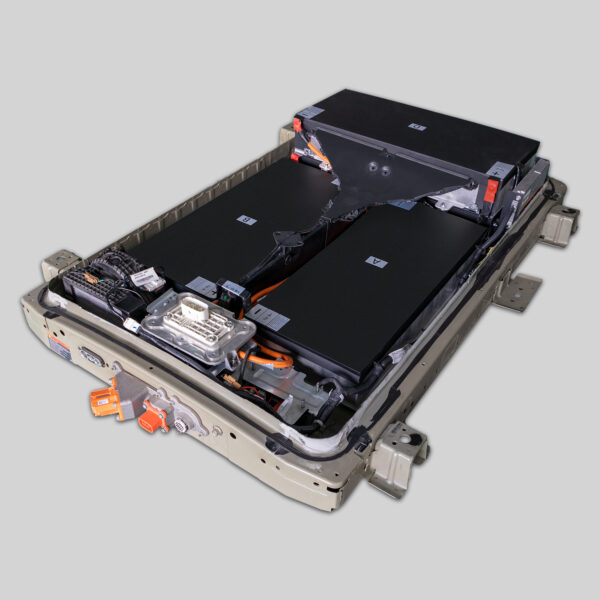
- The Catch: Finding brand new AESC cells for a retrofit in 2026 is nearly impossible. Most “AESC” packs available now are refurbished units pulled from salvage yards. They might look new, but they carry the same chemical age as the battery you are replacing.
⚡ CATL: The Modern Powerhouse
CATL is not just another supplier; they are the technological giants behind batteries for Tesla, BMW, and Volvo. When we build a battery pack at CNS, we exclusively use brand new CATL NMC (Lithium Nickel Manganese Cobalt Oxide) cells.
- The 2026 Advantage: CATL cells have a higher energy density. This means we can fit more kWh into the same physical space. For example, we can upgrade a standard 24kWh or 30kWh Leaf chassis to a 40kWh or even 62kWh monster pack using CATL cells.
- Longevity: CATL’s chemistry is more robust. In our lab tests, CATL cells retain 90% capacity after 1,500 charge cycles, whereas older AESC chemistries often drop to 80% after just 800 cycles.
The Technical Breakdown: Specs Comparison
Let’s look at the hard data. This table summarizes why CATL has become the gold standard for 2026 Leaf refurbishments.
| Feature | Envision AESC (Original/Old Stock) | CATL (New Build Standard) |
|---|---|---|
| Cell Type | LMO (Lithium Manganese Oxide) or early NMC | Advanced NMC (High Energy Density) |
| Energy Density | Lower (Approx. 150-180 Wh/kg) | Higher (Approx. 240+ Wh/kg) |
| Cycle Life | 800 – 1,000 cycles (to 80% capacity) | 1,500 – 2,000+ cycles (to 80% capacity) |
| Thermal Stability | Good, but prone to swelling if overheated | Excellent, with superior heat dissipation |
| 2026 Availability | Scarce (mostly used/refurbished) | Abundant (Brand New Production) |
| Upgrade Potential | Limited (usually 1:1 replacement) | High (e.g., 24kWh chassis -> 62kWh pack) |
The Verdict: If you install an AESC-based refurbishment today, you are essentially putting a “used” technology back into your car. With CATL, you are installing the same cutting-edge technology found in brand new 2026 electric vehicles.
Why You Should Choose a CATL Upgrade in 2026
Based on our experience servicing thousands of Nissan Leafs and e-NV200s, here are the top three reasons to go with a CATL-based solution:
1. Future-Proof Range
The biggest complaint about the original Leaf was range. By utilizing CATL’s high-density cells, we can often increase the capacity of your pack by 50% or more without modifying the car’s exterior. A Leaf that originally drove 120km can now easily hit 250km+ on a single charge. This isn’t just a repair; it’s a performance upgrade.
2. Zero “Hidden” Age
When you buy a refurbished AESC pack, you are gambling on the health of second-hand cells. There is no way to know the true chemical stress those cells have undergone. With a brand new CATL pack from a reputable builder, you start the clock at zero. You know exactly how many miles you can expect before the next degradation cycle begins.
3. Superior Safety Management
While the cells are different, the Battery Management System (BMS) is what keeps you safe. At CNS, our BMS is specifically calibrated for CATL chemistry. This ensures that during the extreme temperatures of a 2026 summer or winter, your battery performs optimally without the risk of thermal runaway, a risk slightly higher in older, mismatched AESC refurbishments.
Addressing the Elephant in the Room: Cost
You might assume that “cutting-edge” means “expensive.” However, thanks to the massive scale of CATL production, the opposite is true.
- Refurbished AESC Route: Sourcing old packs is labor-intensive and risky. Prices often hover around $5,000 – $8,000, and you get the same old technology.
- New CATL Route: Mass production has driven costs down. For a similar or slightly lower price, you get a brand new, custom-built, higher-capacity pack.
In 2026, choosing a CATL upgrade is not just about performance; it is the ultimate cost-benefit analysis. You are paying for new technology that will last another 10 years, rather than paying a premium to patch up the old.
Making the Right Choice for Your Leaf
As a Leaf owner in 2026, you are at a crossroads. You can either let your car become scrap metal or you can give it a new heart.
While Envision AESC served us well in the early days of EVs, the technology has been surpassed. CATL represents the current and future standard for lithium-ion energy storage. By upgrading to a CATL-based pack, you are not just replacing a battery; you are retrofitting your vehicle with 2026-grade technology.
At CNS Battery, we don’t just sell batteries; we sell peace of mind. Our packs are built to OEM standards, using only the highest grade A cells from CATL, backed by a 2-year / 80,000 km warranty. We have helped thousands of Leaf owners in the US, Europe, and Australia extend their vehicle’s life and improve their safety.
Don’t settle for a refurbished solution when a brand new, superior alternative exists. The 2026 upgrade path is clear: Go with CATL.
Frequently Asked Questions (FAQ)
Q1: Will a CATL battery fit my old Nissan Leaf model (like ZE0 or ZE1)?
A: Absolutely. At CNS Battery, we design our packs to be plug-and-play. We engineer the battery management system (BMS) and the physical dimensions to match the OEM specifications of your specific Leaf model (ZE0, ZE1, or AZE0). No modifications to your car’s chassis or software are required.
Q2: Is the installation process difficult?
A: Not at all. Most professional mechanics can install a CNS battery in 1-2 hours. We provide comprehensive installation guides and video tutorials. For DIY enthusiasts, the process is straightforward: disconnect the old pack, lift it out, drop in the new one, and reconnect the terminals. We even offer video call support if you get stuck.
Q3: How much range can I expect after upgrading to a CATL 62kWh pack?
A: The range depends on your driving style and conditions, but you can expect a significant boost. A standard 24kWh Leaf might only manage 80-100 miles. After upgrading to our 62kWh CATL pack, you can realistically expect 180-220 miles (approx. 300-350 km) of range on a single charge, effectively turning your old Leaf into a modern commuter.
Q4: What about the warranty?
A: We stand by the quality of our CATL cells. All CNS Automotive Batteries come with a minimum 2-year or 80,000 km warranty (whichever comes first). This covers defects in materials and workmanship. We also provide prorated coverage for performance degradation, guaranteeing the battery maintains a high capacity over the warranty period.
Q5: How do I get started?
A: It’s simple. Just head over to our Contact Page, select your car model, and submit your details. Our technical experts will get back to you within 24 hours with a personalized quote and compatibility check.