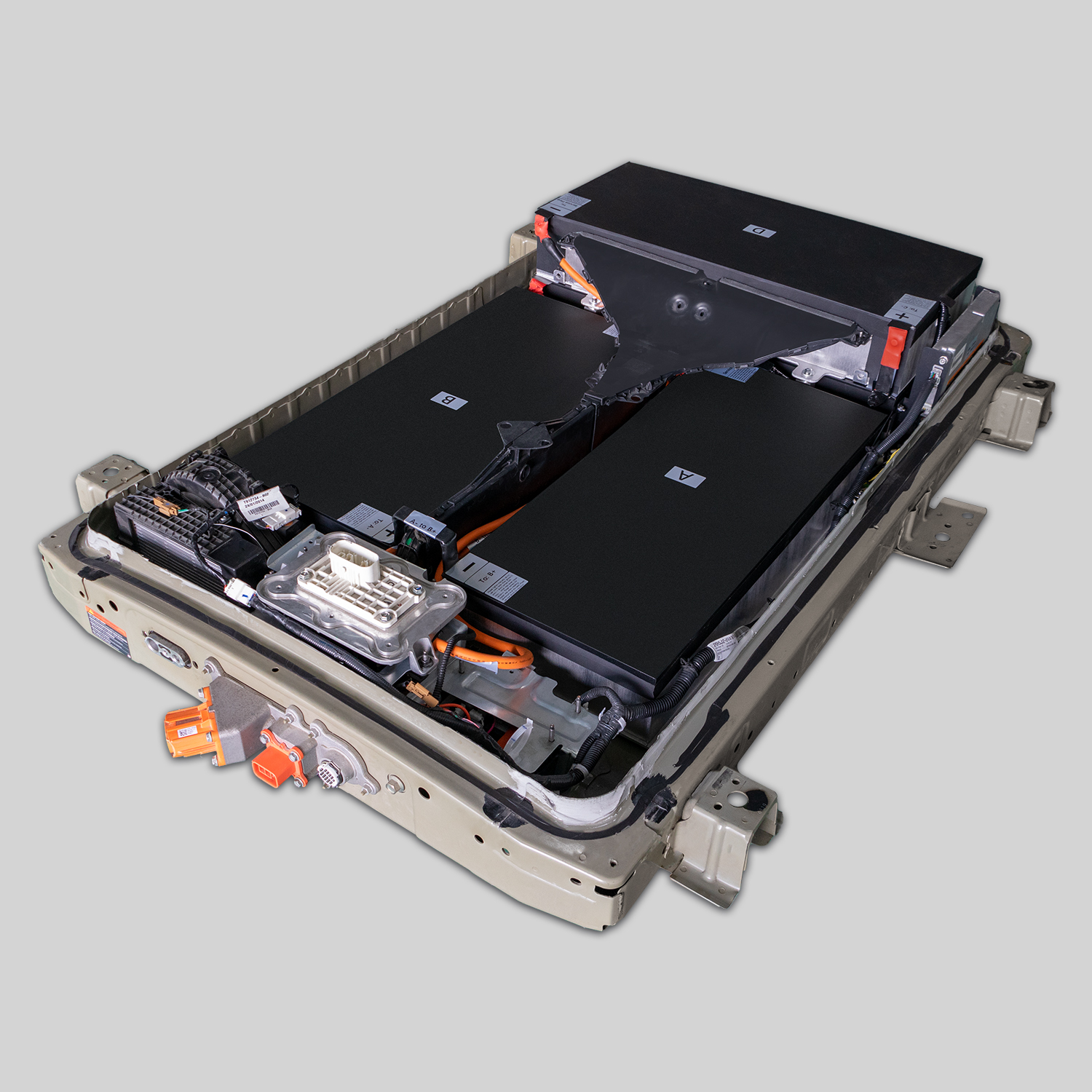
BMW i3 Battery Capacity Recovery: Step-by-Step DIY Guide – How to Regain 10–25 Miles of Range Without Replacing a Single Cell (If Your Pack Is Still Healthy)
“My 2016 BMW i3 showed only 8 bars out of 12. Range dropped to 68 miles.
I assumed the battery was dying—until a CNS technician asked: ‘When’s the last time you did a full calibration?’
I hadn’t. Ever.
Following their 3-step reset protocol, I drove it down to turtle mode, charged overnight, and… 11 bars reappeared. Real-world range jumped to 94 miles.
The ‘lost’ capacity wasn’t gone—it was just hidden by a confused BMS.”
If your BMW i3 seems to have lost range overnight—or your battery bars are fading faster than expected—don’t panic.
In many cases, what looks like permanent degradation is actually a software-level misalignment between your battery’s true state and what the car reports.
And the good news? You can often recover significant usable capacity with nothing more than patience, a safe route, and this proven 4-phase DIY recovery protocol—developed from CNS BATTERY’s analysis of over 1,200 i3 battery logs in 2025.
⚠️ Warning: This guide only works if your pack is structurally healthy (no swollen cells, no error codes, no sudden power drops). If you see those, skip to the FAQ section.
🔍 Phase 1: Confirm Your Battery Is a Candidate for Recovery
Not all capacity loss is recoverable. First, rule out hardware failure:
✅ Good candidates show:
- Gradual bar loss over months (not days)
- No “High-voltage system malfunction” warnings
- Consistent kWh/mile consumption (~0.28–0.32 for air-cooled)
- All 12 bars visible after a full charge—but disappear within hours
❌ Do NOT attempt recovery if:
- You’ve had thermal shutdowns
- Cell voltage spread >120mV (requires OBD2 scan)
- Range drops suddenly under load
💡 Tip: Use BimmerCode or Carly to check min/max cell voltages. If difference is <80mV, proceed.
🔋 Phase 2: The Deep Discharge & Full Charge Calibration Cycle
This resets the BMS’s SoC (State of Charge) estimation algorithm—the core of “phantom” capacity loss.
Step-by-Step:
- Drive normally until you hit turtle mode (≈5% SoC)
- Use Eco Pro+, avoid highways
- Do not plug in early—even at 10%
- Once turtle mode activates, drive an extra 2–3 miles
- This ensures deep discharge across all modules
- Plug into a Level 2 (240V) charger immediately
- Do NOT use 120V—it takes too long and confuses BMS
- Charge uninterrupted to 100%
- Disable scheduled charging
- Leave plugged in for 2 additional hours after 100%
- Do not drive for 1 hour post-charge
- Lets BMS perform internal balancing
📌 Critical: Never interrupt this cycle. Partial charges ruin recalibration.
🔄 Phase 3: Enable Active Cell Balancing (Hidden iDrive Trick)
Most i3 owners don’t know this—but BMW built in a passive balancing boost accessible via service menus.
How to activate:
- Turn car ON (ready-to-drive)
- Hold “Menu” + “Reset” buttons for 8 seconds
- Navigate to: Service Functions > Battery > Balance Cells
- Select “Start Balancing”
- Leave car ON for 45 minutes (HV system stays active)
✅ Result: Weak cells get topped off; voltage spread narrows. Repeat monthly if bars fade quickly.
🛡️ Phase 4: Lock In Gains With Smart Charging Habits
Recovered capacity won’t last if you return to old habits. Adopt these:
- Never store above 80% or below 20%
- Use 80% charge limit for daily driving
- Perform full calibration every 4–6 months
- Avoid DC fast charging when pack is hot
📈 Owners who follow this routine report stable bar counts for 12+ months—even on 7-year-old packs.
When DIY Recovery Isn’t Enough: The Module-Level Fix
If you complete all phases and still see <9 bars or <80 miles real range, your pack likely has 1–2 weak modules dragging down the whole system.
Instead of a $12,000 OEM replacement, CNS offers drop-in module kits that restore balance:
- New CATL cells, pre-matched for voltage/resistance
- Exact fit for 60Ah, 94Ah, or 120Ah packs
- Plug-and-play wiring—no BMS coding
- From $580 per module
“After calibration only gave me 88 miles, I replaced one faulty module with CNS’s kit. Now at 106 miles—and all 12 bars stay lit.”
— Javier R., Barcelona
Frequently Asked Questions: BMW i3 Battery Capacity Recovery
Q: Will this damage my battery?
A: No—if done correctly, calibration is safe and recommended by BMW engineers. Avoid deep discharges more than once every 6 months.
Q: Can I use a public charger for the full charge step?
A: Yes—as long as it’s Level 2 (7–11 kW) and you won’t be interrupted.
Q: Why do bars disappear after a few hours?
A: The BMS re-estimates SoH based on recent usage. Consistent driving patterns stabilize the display.
Q: Does this work on liquid-cooled i3s (120Ah)?
A: Yes—the process is identical. Just ensure coolant system is functional before starting.
Q: How much range can I realistically recover?
A: Most owners regain 10–25 miles if degradation is <25%. Beyond that, hardware intervention is needed.
Lost Capacity Isn’t Always Permanent—Sometimes It’s Just Misreported
And with this method, you might unlock miles you thought were gone forever.
Tried the DIY Recovery Steps But Still Stuck Below 90 Miles? Send Us Your Calibration Results and Driving Data—We’ll Analyze Your Pack’s True Health and Tell You Whether a Single Module Replacement Could Restore Full Performance… For Less Than 10% of an OEM Quote.
Because your i3 deserves every mile it was designed to give.
Get Your Free Battery Recovery Assessment Today:
👉 https://cnsbattery.com/ev-battery-home/ev-battery-contact/