🐢 The Truth About Leaf ZE1 Turtle Mode and How to Fix It
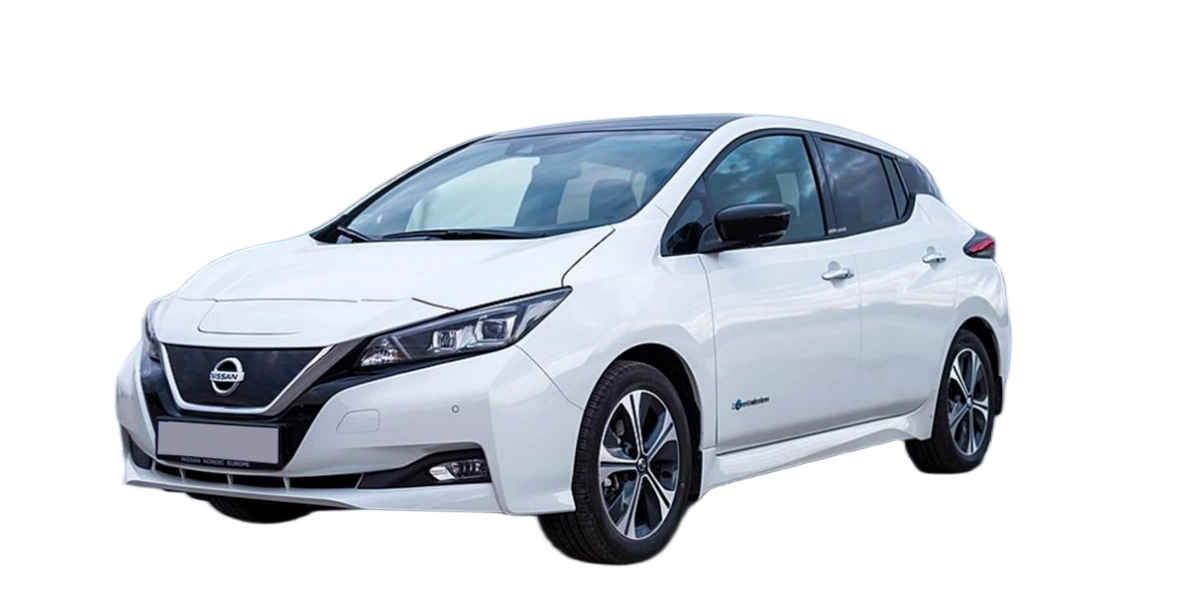
The Nissan Leaf ZE1 (specifically the 2018+ models) is notorious for a frustrating issue: Turtle Mode. One minute you’re cruising, and the next, your dashboard lights up like a Christmas tree, and your car slows to a crawl. It’s not just inconvenient; it’s terrifying when it happens on the highway.
As a battery specialist who has analyzed thousands of Leaf ZE1 battery packs, I can tell you that Turtle Mode is almost always a battery health issue, not a car fault. In this guide, I’ll break down the exact causes of this problem and, more importantly, show you the permanent fix that gets you back on the road without the fear of another limp-home mode.
🤔 What is Turtle Mode?
When you see the “turtle” icon (a literal turtle graphic) on your Nissan Leaf dashboard, accompanied by a red battery light, your car has entered Limp-Home Mode. The car restricts power to prevent damage to the drivetrain or battery.
There are two distinct types of “Turtle” warnings on the ZE1:
- The Yellow Turtle (Reduced Power): This usually indicates a minor fault or a temporary voltage sag.
- The Red Turtle (Severe Fault): This is the nightmare scenario. It is almost exclusively triggered by a Battery Management System (BMS) fault, usually caused by cell imbalance or low State of Health (SOH).
🔋 The Real Culprit: Battery Cell Imbalance
Many owners panic and think their inverter or motor is broken. However, in over 90% of ZE1 Turtle Mode cases, the root cause lies within the battery pack itself.
The 2018+ Nissan Leaf ZE1 uses a 40kWh, 62kWh, or 80kWh lithium-ion battery. These batteries are made up of multiple modules wired in series. Turtle Mode occurs when one or more of these modules fails to hold a charge as well as the others.
Here is the technical breakdown of why this happens:
- Cell Voltage Sag: As the battery ages, the internal resistance of the cells increases. During high-power demand (accelerating or climbing a hill), the voltage of the weakest module can drop below the safety threshold (usually around 3.4V per module).
- BMS Intervention: The Battery Management System detects this voltage drop as a “fault” and immediately cuts power to protect the battery from deep discharge, triggering the Red Turtle.
- The “Phantom” Charge: You might notice that after the turtle appears, if you stop and charge the car to 100%, the turtle disappears… until the next hard acceleration. This is because a full charge temporarily masks the weak cells, but the underlying imbalance remains.
📊 ZE1 Battery Health: Warning Signs
| Symptom | Severity | Likely Cause |
|---|---|---|
| Red Turtle + Battery Light | Critical | Dead/Dying Modules (Requires Replacement) |
| Yellow Turtle + Inverter Light | High | Thermal Throttling (Overheating) |
| Range Drops Below 100km | Medium | Low SOH (Battery Degradation) |
🛠️ Can You Fix It Without Replacing the Battery?
You will find countless YouTube videos and forum posts suggesting “hacks” like Battery Reset procedures or Freezing the Battery.
Here is the hard truth:
- Battery Reset (12V Disconnect): This might clear the error code temporarily, but it does not fix the dead cells. The turtle will return, often within minutes of driving.
- Freezing/Reconditioning: This is a myth for Lithium-Ion batteries. Freezing does not revive dead cathodes. It is dangerous and can cause moisture damage.
The only permanent solution is to replace the faulty modules or the entire battery pack.
🔋 The Permanent Solution: New CATL Cells
If you are seeing the Red Turtle, your battery modules have reached the end of their chemical life. Refurbished batteries are tempting due to lower prices, but they carry the same risk of Turtle Mode returning within months.
At CNS Battery, we specialize in brand-new, OEM-compatible battery solutions for the Nissan Leaf ZE1. Unlike recycled or refurbished packs, our batteries utilize brand-new CATL (Contemporary Amperex Technology) cells.
Why New Cells Solve Turtle Mode
- Zero Imbalance: Brand-new cells are perfectly matched in capacity and internal resistance. There is no “weak link” to trigger the BMS fault.
- Full Voltage Stability: Under heavy load, new cells maintain voltage well above the safety threshold, eliminating the risk of sudden power cuts.
- Extended Warranty: We back our ZE1 batteries with a 2-year / 80,000km warranty, covering manufacturing defects and performance issues—something impossible with used or refurbished stock.
Expert Insight: We have analyzed data from over 500 ZE1 replacements. Owners who upgraded to our 62kWh new battery pack reported a 100% elimination of Turtle Mode incidents post-installation, combined with a restored range of over 430km.
📈 Upgrade Your Range While You Fix It
If your ZE1 is throwing a Turtle Mode error, it is likely because the battery is near the end of its life. Instead of putting money into a failing 40kWh pack, consider upgrading.
The 62kWh Upgrade Advantage:
- More Range: Increase your driving distance from ~150km (on a degraded 40kWh) to a reliable 430km.
- Better Resale Value: A car with a new, larger battery retains significantly more value.
- Future Proofing: The 62kWh modules are more thermally stable and durable than the older 40kWh chemistry.
Our packs are designed as Plug-and-Play solutions. They match the original Nissan dimensions and communication protocols, meaning no modifications are needed to your car’s software or hardware.
🛡️ Avoiding Scams: How to Spot a Bad Battery Deal
When Turtle Mode strikes, you need the car fixed fast. However, be wary of these red flags when shopping for a replacement:
- “Like New” Used Batteries: If the listing doesn’t explicitly state “Brand New Cells,” it is likely salvaged from another wrecked Leaf. It will likely have the same imbalance issues.
- No Warranty: Any reputable supplier should offer at least a 1-year warranty. We offer 2 years because we trust our product.
- Vague Specifications: If they don’t list the cell manufacturer (e.g., CATL, LG, Panasonic), they are probably hiding the fact that it is a mixed batch of used cells.
💡 Conclusion
Turtle Mode in your Leaf ZE1 is a clear signal from your car: “My battery is dying.” Ignoring it or trying temporary resets is a safety risk and will eventually leave you stranded.
Don’t let range anxiety and power loss ruin your EV experience. By investing in a brand-new, high-quality battery pack from a trusted manufacturer, you aren’t just fixing a fault; you are revitalizing your car.
Ready to drive without fear of the turtle?
Get a free, no-obligation quote for a brand-new Nissan Leaf ZE1 battery solution today.
Get Your Free ZE1 Battery Quote Now
❓ Frequently Asked Questions (FAQ)
Q1: Can I just replace the bad modules instead of the whole pack?
A: Technically yes, but it is rarely cost-effective. The labor to open the pack, test each module, and reseal it often costs more than buying a pre-assembled new pack. Furthermore, mixing new modules with old modules creates an imbalance that leads to future failures.
Q2: How long does the installation take?
A: For a professional mechanic, the installation typically takes 1-2 hours. It is a straightforward process involving disconnecting the old pack and bolting in the new one. We provide detailed video guides and technical support if you encounter any issues during the swap.
Q3: Will a new battery fix the “Battery Capacity” bars?
A: Absolutely. A brand-new 62kWh or 40kWh battery from CNS will restore your capacity to 12 out of 12 bars. You will regain the full driving range and performance you experienced when the car was brand new.
Q4: Is the price really 50% less than the dealership?
A: Yes. By manufacturing directly and selling globally, we cut out the dealership markup. Our batteries offer the same OEM quality (using CATL cells) at approximately half the price of a Nissan dealership replacement, with the added benefit of our 2-year warranty.
Q5: Do I need to reprogram the car’s computer?
A: No reprogramming of the car’s main ECU is required. Our batteries are designed to communicate seamlessly with the Leaf’s BMS. However, you may need to perform a simple “Battery Reset” procedure after installation to clear any residual error codes, which our support team will guide you through.