🚗 Is a Nissan Leaf 50kWh Replacement Worth It? (2026 Review)
The short answer: Yes, but only if you choose the right type of replacement. In 2026, replacing your old Nissan Leaf battery with a brand new, high-quality aftermarket solution is often the most cost-effective way to extend your vehicle’s life. However, not all 50kWh batteries are created equal.
As a leading manufacturer specializing in Nissan EV batteries, CNS BATTERY has helped thousands of Leaf owners avoid the high cost of OEM replacements. In this guide, we’ll break down the math, the risks of used batteries, and why a new 50kWh pack might be your best bet for a reliable, long-range daily driver.
⚡️ The 2026 Nissan Leaf Battery Dilemma
If you own a Nissan Leaf (specifically the ZE1 or AZE0 models), you likely face a tough decision. Your original battery may have degraded significantly, leaving you with a range anxiety-inducing 80-100km. The dealership offers a replacement, but the price tag is often astronomical.
The Reality Check:
- OEM Price: Typically $15,000 – $18,000 USD.
- CNS Solution: High-quality new replacements starting at roughly 50% less.
- The Trade-off: You don’t need to buy a new car. You just need a new heart.
💰 The Math: Is It Worth the Investment?
To determine if a 50kWh replacement is “worth it,” you need to look at the Return on Investment (ROI) and the driving range you will regain.
1. The “New vs. Refurbished” Trap
Many owners look at used or refurbished batteries priced around $3,000 – $5,000. While this seems cheap, it’s often a false economy.
- Used Batteries: Often come from crashed cars or have unknown health. They might only last 6-12 months before swelling or failing.
- CNS New Batteries: We utilize brand new CATL cells (the same quality tier used by major manufacturers). This means you start your “battery life” counter at 100%, not 50%.
2. Performance Gains
A brand new 50kWh lithium battery pack restores your car to factory glory (or better):
- Real-World Range: Expect 300km – 340km on a full charge (depending on driving conditions).
- Charging Speed: Full DC fast charging capability restored.
- Winter Performance: New cells handle cold weather degradation much better than 8-year-old cells.
Expert Insight: “We see customers every week who regret buying a cheap used battery. The $2,000 you save upfront turns into a $10,000 headache when the battery fails and damages the BMS. Buy once, cry once—invest in new cells.” – CNS Technical Team
🛡️ Why a 50kWh Battery is the “Sweet Spot”
Nissan Leafs come in various trims (40kWh, 50kWh, 62kWh, 68kWh). So, why choose the 50kWh?
| Feature | 40kWh Battery | 50kWh Battery | 62kWh+ Battery |
|---|---|---|---|
| Cost | Low | Moderate (Best Value) | High |
| Range | ~180km (Anxiety-inducing) | ~320km (Perfect for Commuting) | ~400km+ |
| Weight | Light | Balanced | Heavy |
| Best For | Short city trips | Most drivers / Families | Long-distance drivers |
The Verdict: The 50kWh battery offers the best balance. It gives you enough range to feel free without breaking the bank. It’s the ideal upgrade if your current battery is a 40kWh unit, or if you don’t need the extreme range (and higher cost) of the 62kWh models.
🛠️ Installation & Compatibility: Can You DIY?
One of the biggest factors in the “worth it” calculation is labor cost. If you need a mechanic, the bill doubles.
CNS Solution: We design our packs for Plug-and-Play compatibility.
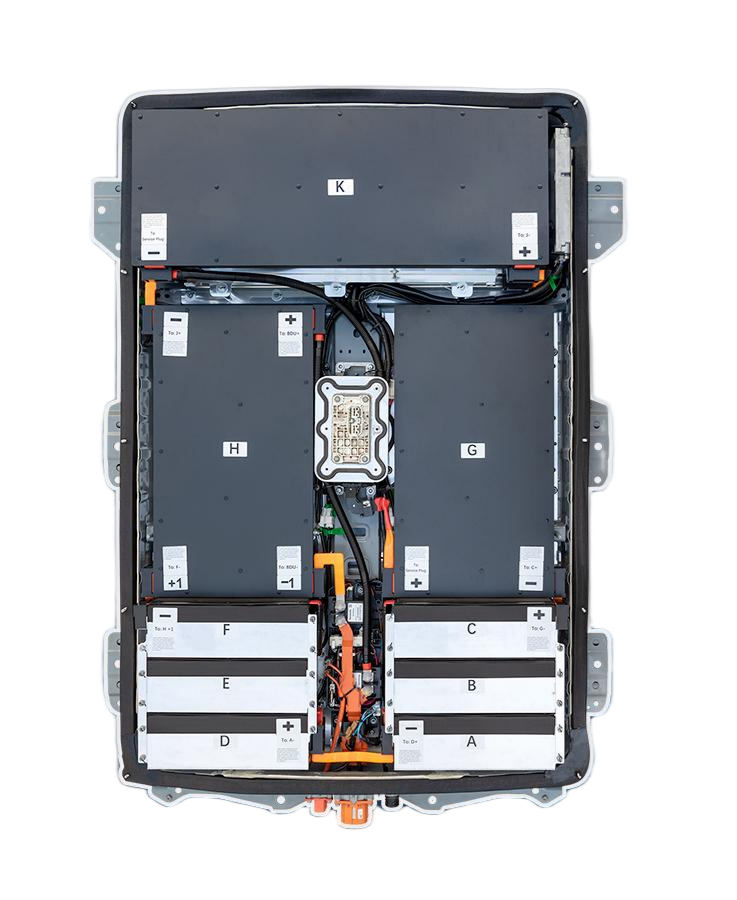
- OEM Standard: Our 50kWh packs are engineered to fit the Nissan Leaf chassis perfectly (ZE0, ZE1, AZE0).
- DIY Friendly: Thanks to our detailed video guides and color-coded connectors, many owners (like Tom H. from Texas) install the battery themselves in about 2 hours.
- No Coding Needed: Our Battery Management System (BMS) is pre-programmed to communicate seamlessly with the Nissan dashboard.
📝 2026 Buyer’s Guide: What to Look For
Before you click “buy,” ensure the battery you are looking at meets these 2026 standards:
- Brand New Cells: Verify they are not “recycled” or “repurposed.” Ask for the cell manufacturer (CATL is the gold standard).
- Warranty: A serious manufacturer stands behind their product. CNS offers a 2-year / 80,000km warranty, covering defects and capacity retention (down to 70%).
- Thermal Management: Ensure the pack has proper cooling channels. Overheating is the #1 killer of EV batteries.
- Certifications: Look for UN38.3 (safety testing for lithium batteries).
💡 Frequently Asked Questions (FAQ)
Q1: How much does a Nissan Leaf 50kWh battery cost in 2026?
While OEM prices hover around $16,000, a new aftermarket battery from a reputable supplier like CNS starts at approximately $7,500 – $8,500 (price varies by region and shipping). This includes the complete pack, BMS, and harness.
Q2: Will a 50kWh battery fit my Nissan Leaf?
Yes, but you must confirm your model code.
- ZE1 (2018-2023): Compatible.
- AZE0 (2015-2017): Compatible.
- ZE0 (2011-2014): Usually requires a conversion kit or specific adapter. Always verify with your VIN.
Q3: How long does it take to install?
For a professional mechanic: 1-2 hours.
For a DIY enthusiast (with our video guide): 2-3 hours. We provide step-by-step instructions for disconnecting the old unit and bolting in the new one.
Q4: Is there a risk of buying an aftermarket battery?
There is risk with unknown brands. However, buying from a manufacturer with a proven track record (like CNS, with 10+ years in the industry) and a solid warranty mitigates this risk significantly. We offer free VIN compatibility checks to ensure a perfect fit.
📞 Ready to Revive Your Leaf?
Don’t let a dead battery force you into buying a new car. A brand new 50kWh replacement is the smart, 2026-approved way to get back on the road with confidence.
Take the Next Step:
Get a free, no-obligation quote for your specific Nissan Leaf model today.