Introduction
In the rapidly evolving landscape of modern cinematography, drone technology has become an indispensable tool for film and aerial photography teams. However, behind every stunning aerial shot lies a critical component that often goes overlooked: the drone battery. Technical compatibility issues between drone batteries and production equipment can derail even the most well-planned shoots, causing costly delays and compromising footage quality. As the demand for high-quality aerial cinematography continues to surge in 2026, understanding drone battery best practices has never been more crucial for production teams seeking to maximize efficiency and safety on set.
This comprehensive guide addresses the specific technical challenges faced by film and aerial photography teams when managing drone batteries. From compatibility verification to storage protocols, we provide actionable insights based on current industry standards and manufacturer specifications. Whether you’re working on a major motion picture or a commercial real estate project, mastering drone battery management ensures your aerial photography operations run smoothly and professionally.
Understanding Drone Battery Technical Specifications
Key Battery Parameters for Film Production
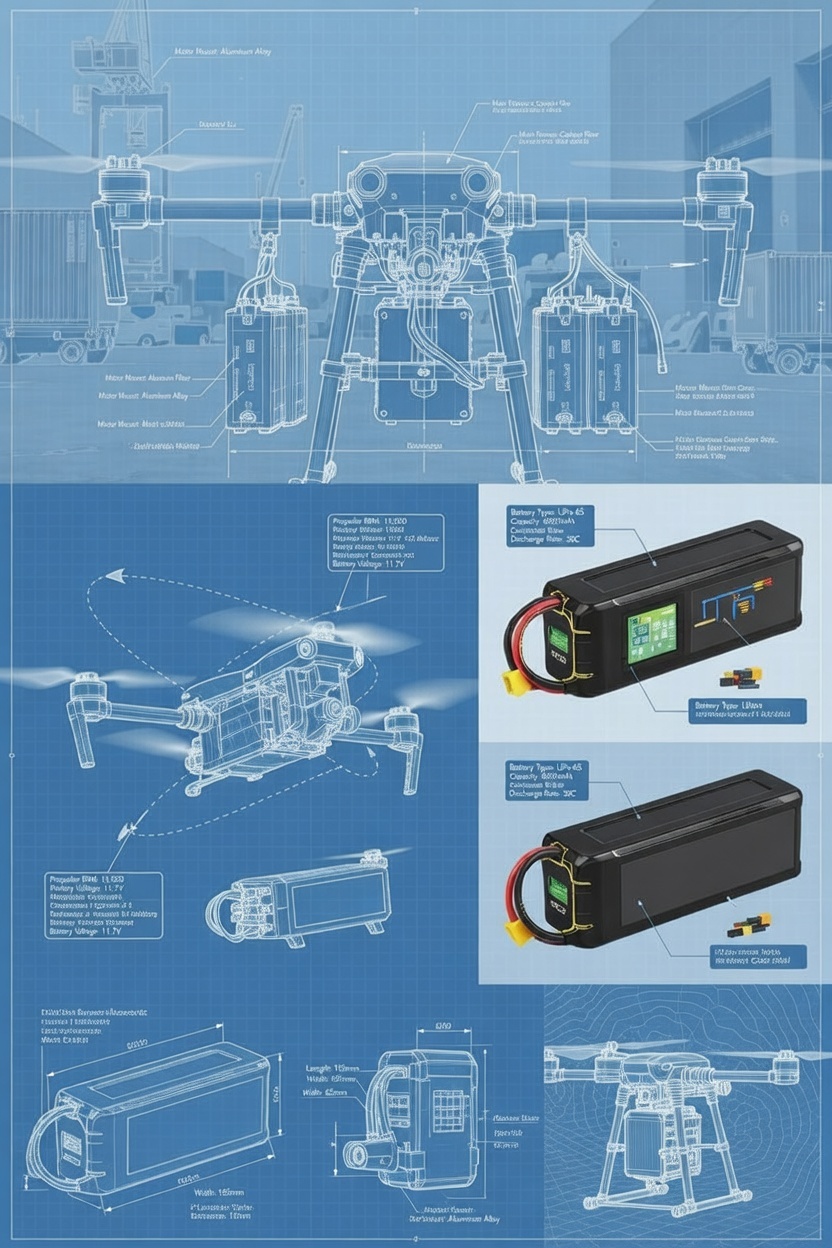
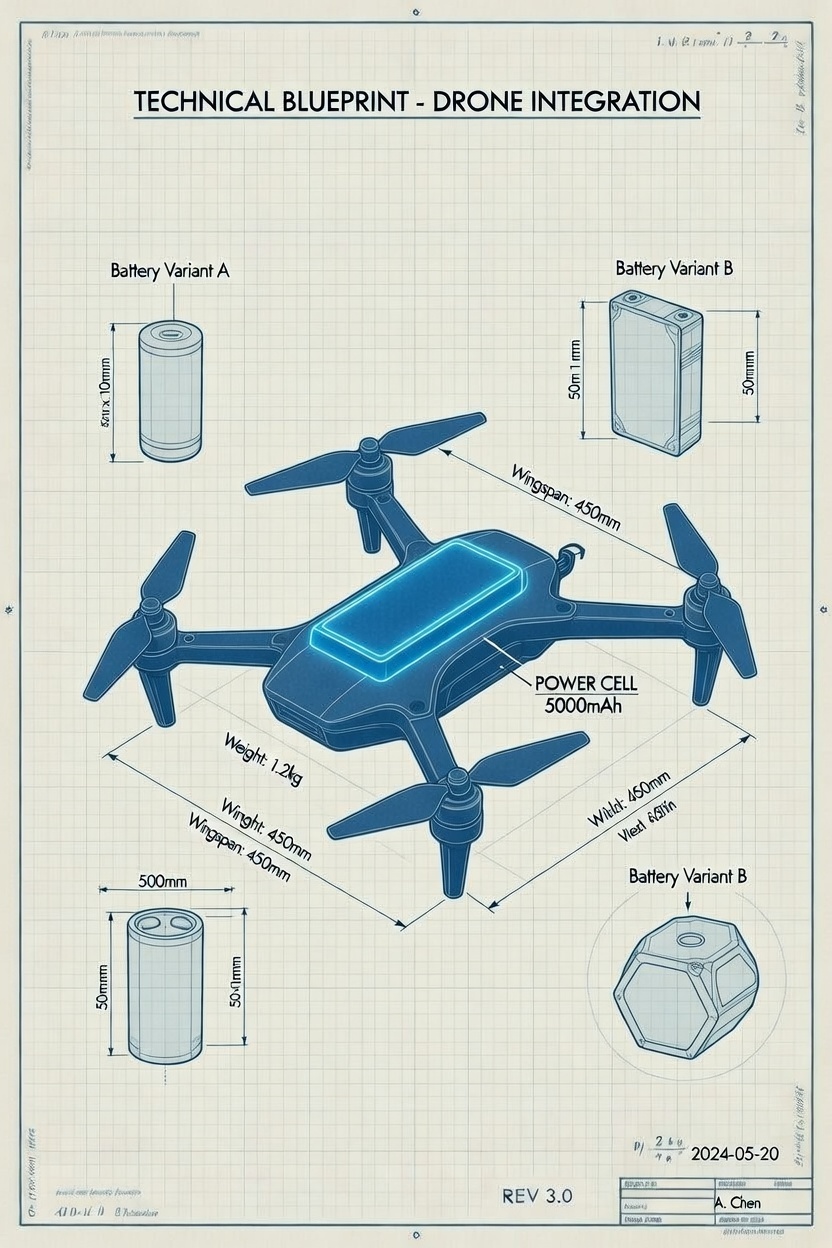
Film and aerial photography teams must understand the fundamental technical specifications that determine battery compatibility and performance:
- Voltage Compatibility: Most professional drones operate on lithium polymer (Li-Po) batteries ranging from 3.7V to 22.2V (6S configuration). Ensure your battery voltage matches your drone’s power requirements precisely.
- Capacity Ratings: Measured in milliampere-hours (mAh), capacity determines flight time. Professional cinematography drones typically require 4000-6000mAh batteries for extended shooting sessions.
- Discharge Rate (C-Rating): High-performance drones demand batteries with 25C-50C discharge rates to support rapid power delivery during complex maneuvers.
- Weight Considerations: Battery weight directly impacts flight stability and camera gimbal performance. Lighter batteries enable longer flight times but may sacrifice power output.
Compatibility Verification Steps
Before integrating any battery into your production workflow, follow this systematic verification process:
- Check Manufacturer Specifications: Review your drone manufacturer’s official battery compatibility list. Never assume cross-brand compatibility without verification.
- Test Communication Protocols: Smart batteries must communicate properly with drone firmware. Verify that battery management systems (BMS) sync correctly with your aircraft.
- Validate Charging Infrastructure: Ensure your charging stations support the battery’s charging profile. Mismatched chargers can damage batteries or create safety hazards.
- Conduct Field Tests: Perform controlled test flights before critical shoots to confirm battery performance under actual operating conditions.
Battery Management Best Practices for Production Teams
Pre-Production Planning
Successful aerial photography begins with thorough battery preparation:
- Inventory Assessment: Maintain a minimum 3:1 battery-to-drone ratio for continuous shooting capabilities. Professional film sets typically carry 8-12 batteries per aircraft.
- Charging Schedule: Implement a rotation system where batteries charge during setup, shoot, and breakdown periods. Never allow all batteries to deplete simultaneously.
- Temperature Monitoring: Store batteries at 15-25°C (59-77°F) before use. Extreme temperatures significantly impact performance and lifespan.
- Firmware Updates: Keep battery firmware current to ensure optimal communication with drone systems and safety features.
On-Set Battery Protocols
During active production, follow these essential safety and efficiency guidelines:
Safety First Approach:
- Designate a battery safety officer responsible for monitoring charging stations
- Keep fire extinguishers rated for lithium battery fires within 10 meters of charging areas
- Never leave charging batteries unattended during production
- Implement a battery logging system to track charge cycles and performance degradation
Efficiency Optimization:
- Label batteries with charge status and cycle count for quick identification
- Use charging hubs that support simultaneous multi-battery charging
- Schedule battery swaps during natural production breaks to minimize downtime
- Maintain backup batteries in storage charge (50-60%) for emergency situations
Post-Production Battery Care
Proper battery maintenance extends equipment lifespan and ensures consistent performance:
- Storage Charging: After each shoot, discharge batteries to 50-60% before long-term storage
- Cycle Tracking: Record charge cycles and retire batteries after 300-500 cycles or when capacity drops below 80%
- Physical Inspection: Check for swelling, damage, or connector wear before each use
- Climate Control: Store batteries in climate-controlled environments away from direct sunlight and moisture
Technical Comparison: Battery Types for Cinematography
| Battery Type | Flight Time | Cost | Safety Rating | Best Use Case |
|---|---|---|---|---|
| Li-Po Standard | 20-25 min | Low | Medium | Entry-level productions |
| Li-Po High-Discharge | 18-22 min | Medium | Medium | Action sequences |
| Li-Ion Smart | 25-30 min | High | High | Feature films |
| Li-HV Extended | 22-28 min | High | Medium-High | Commercial shoots |
Choosing the Right Battery for Your Production
Different production scenarios demand different battery solutions:
Documentary Filmmaking: Prioritize flight time and reliability. Li-Ion smart batteries offer extended flight times with built-in safety features ideal for remote location shoots.
Commercial Real Estate: Focus on consistency and quick turnaround. Standard Li-Po batteries provide cost-effective solutions for repetitive shooting patterns.
Feature Film Production: Invest in premium batteries with comprehensive monitoring systems. The higher cost justifies reduced risk and enhanced performance tracking.
Event Coverage: Balance capacity with portability. Medium-capacity batteries allow for extended coverage without excessive weight penalties.
Advanced Tips for Maximizing Battery Performance
Environmental Adaptation Strategies
Weather and location significantly impact battery performance:
- Cold Weather Operations: Keep batteries warm until immediately before flight. Use insulated cases and hand warmers to maintain optimal temperature. Expect 20-30% reduced flight time in sub-zero conditions.
- Hot Climate Shooting: Avoid direct sunlight on batteries. Store in cooled containers and allow batteries to reach ambient temperature before charging. Monitor for overheating during extended use.
- High Altitude Filming: Reduced air density affects cooling efficiency. Increase rest periods between flights and monitor battery temperature closely.
Performance Monitoring Techniques
Implement these monitoring strategies to prevent unexpected failures:
- Voltage Tracking: Monitor individual cell voltages to identify imbalances before they cause failures
- Internal Resistance Testing: Regular testing reveals battery degradation before visible symptoms appear
- Flight Data Logging: Record battery performance metrics for each flight to identify trends and predict replacement needs
- Warning Threshold Alerts: Configure drone systems to provide early warnings when battery performance drops below acceptable levels
Critical Safety Considerations
Battery safety cannot be compromised in professional production environments:
Storage Requirements:
- Use fire-resistant storage containers for all batteries
- Maintain separation between charging and storage areas
- Implement clear labeling systems indicating battery status and hazards
- Establish emergency response protocols specific to battery incidents
Transportation Guidelines:
- Follow IATA regulations for lithium battery transportation
- Use approved protective cases for all battery transport
- Declare batteries properly when traveling internationally
- Never transport damaged or swollen batteries under any circumstances
Disposal Protocols:
- Partner with certified e-waste recycling facilities
- Never dispose of lithium batteries in regular trash
- Document battery disposal for environmental compliance
- Educate all team members on proper disposal procedures
Key Insights and Action Steps
Mastering drone battery technical compatibility requires ongoing attention and systematic management. The most successful film and aerial photography teams treat battery management as a core competency rather than an afterthought. By implementing the practices outlined in this guide, production teams can significantly reduce downtime, enhance safety, and improve overall production quality.
Remember that battery technology continues evolving rapidly. Stay informed about new developments, manufacturer updates, and industry best practices. Regular training for all team members ensures everyone understands proper battery handling procedures and safety protocols.
Take Action Today
Ready to optimize your drone battery operations for film and aerial photography production? Our expert team specializes in providing technical compatibility solutions and high-performance battery systems designed specifically for professional cinematography teams.
Contact us today for personalized consultation on battery selection, compatibility verification, and comprehensive management systems tailored to your production needs. Visit our contact page at https://cnsbattery.com/drone-battery-home/drone-battery-contact to connect with our specialists and discover how proper battery management can transform your aerial photography workflow.
Don’t let battery compatibility issues compromise your next production. Invest in the knowledge, equipment, and support systems that professional film teams rely on for consistent, safe, and spectacular aerial cinematography results.