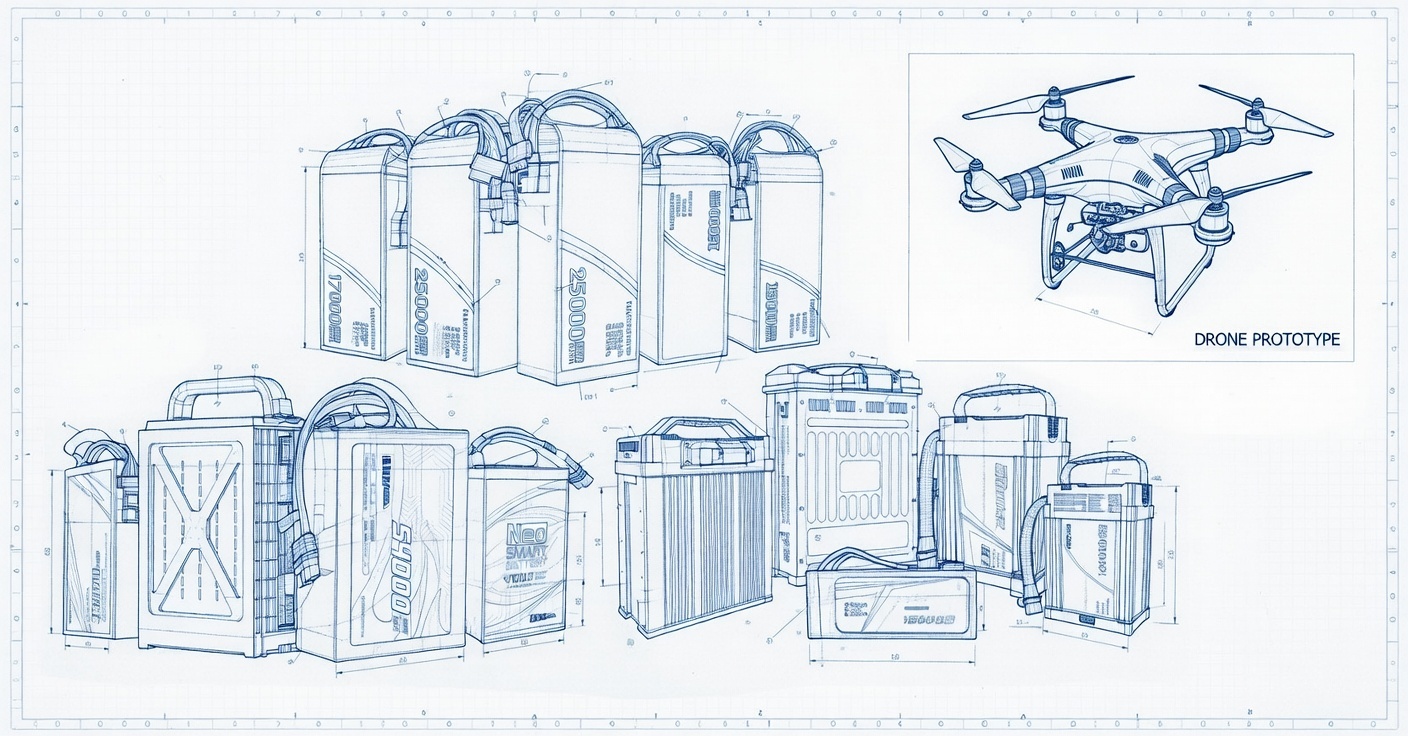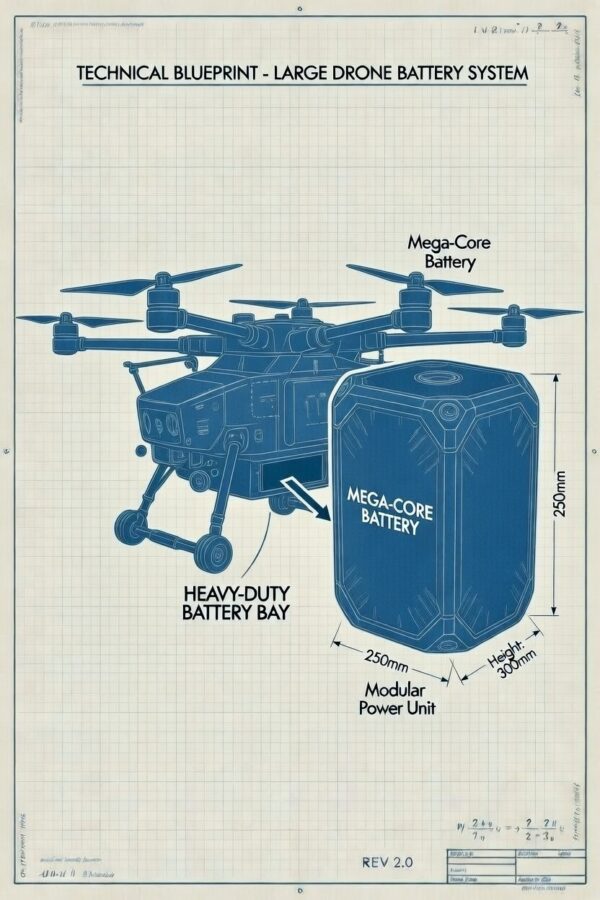
The rapid adoption of agricultural drones has revolutionized modern farming, offering precision spraying, crop monitoring, and data analytics at unprecedented scales. However, as fleets expand, the management of power sources—specifically high-capacity lithium polymer (LiPo) and lithium-ion batteries—has become a critical operational bottleneck. For bulk procurement users, such as large-scale farming cooperatives, agricultural service providers, and government agencies, drone battery safety is not merely a technical concern; it is a financial and legal imperative.
Ignoring recycling compliance can lead to severe penalties, environmental hazards, and increased liability. In 2026, regulatory frameworks have tightened globally, making proper battery lifecycle management essential for sustainable operations. This guide provides a comprehensive roadmap for agricultural enterprises to navigate drone battery recycling compliance, ensuring safety, reducing costs, and maintaining operational continuity. By implementing robust safety protocols, bulk buyers can mitigate the risks of thermal runaway, avoid transport violations, and align with emerging green agriculture standards.
The 2026 Regulatory Landscape: What Bulk Buyers Must Know
The year 2026 marks a pivotal shift in global battery regulations. For agricultural drone operators, understanding these changes is vital to avoid disruptions in supply chains and field operations.
1. Transportation Safety Standards (IATA & IMDG)
According to the 2025-2026 updates from the International Air Transport Association (IATA) and the International Maritime Dangerous Goods (IMDG) Code, lithium batteries are subject to stricter transport conditions.
- State of Charge (SoC) Limits: As of January 1, 2026, lithium ion batteries shipped separately or packed with equipment (PI966/PI967) must generally be transported at a state of charge not exceeding 30% of their rated capacity. This reduces the risk of thermal incidents during transit.
- New UN Classifications: New UN numbers, such as UN3551 and UN3552 for sodium-ion batteries, have been introduced. While agricultural drones primarily use LiPo, the classification logic now demands precise labeling for all chemical storage systems.
- Packaging Requirements: Packaging must now pass enhanced stacking tests (3-meter stack test) to ensure integrity under pressure, crucial for bulk shipments of drone batteries to remote farming locations.
2. EU Battery Regulation and the Battery Passport
For operators exporting agricultural products to Europe or using EU-manufactured drones, the EU Battery Regulation is entering its substantive enforcement phase in 2026.
- Battery Passport: Industrial batteries and those used in light means of transport (which can include heavy-lift agricultural drones) over 2kWh require a digital battery passport. This contains data on chemical composition, carbon footprint, and recycling information.
- Recycling Efficiency: New mandates require higher recovery rates for critical raw materials like lithium and cobalt. Bulk purchasers must ensure their suppliers provide documentation proving compliance with these recycling efficiency targets.
3. Local Environmental Laws
In many regions, disposing of lithium batteries in standard waste streams is now illegal. Agricultural businesses must partner with certified e-waste recyclers to avoid fines. The Environmental Protection Agency (EPA) and similar bodies worldwide are increasing scrutiny on hazardous waste disposal from commercial drone operations.
Step-by-Step Guide: Managing Agricultural Drone Battery Lifecycle
To ensure drone battery safety and recycling compliance, agricultural fleet managers should adopt a structured lifecycle management protocol.
Step 1: Procurement and Documentation
When purchasing batteries in bulk, request comprehensive compliance documentation. This includes UN38.3 test reports, Safety Data Sheets (SDS), and information on the battery’s chemical composition. Verify that the manufacturer adheres to 2026 transport regulations regarding SoC limits.
Step 2: Safe Storage and Maintenance
Improper storage is a leading cause of battery degradation and safety incidents.
- Environment: Store batteries in a cool, dry place, ideally between 15°C and 25°C. Avoid direct sunlight, which is common in field storage containers.
- Voltage Management: For long-term storage, maintain cell voltage between 3.7V and 3.85V per cell. Never store fully charged or fully depleted batteries for extended periods.
- Inspection: Regularly inspect for physical damage, swelling, or leakage. A swollen LiPo battery is a significant fire hazard and should be isolated immediately.
Step 3: Operational Safety Protocols
During field operations, safety is paramount.
- Charging: Use only certified chargers designed for agricultural drone batteries. Charge on non-flammable surfaces, away from crops and chemical storage.
- Cooling: Allow batteries to cool down after heavy discharge cycles before recharging. High temperatures from continuous spraying missions can accelerate degradation.
- Damage Control: Have a Class D fire extinguisher or a dedicated fire containment bag available at charging stations.
Step 4: End-of-Life Disposal and Recycling
When batteries reach the end of their usable life (typically when capacity drops below 80% of original rating), they must be recycled properly.
- Discharge: Safely discharge the battery to 0V using a specialized discharger before handing it over for recycling. Do not use DIY methods like saltwater immersion, which can be hazardous and non-compliant.
- Certified Partners: Engage with certified recycling partners who can provide a Certificate of Recycling. This document is crucial for audit trails and compliance reporting.
- Transport to Recycler: Ensure batteries are packaged according to dangerous goods regulations during transport to the recycling facility, adhering to the 30% SoC rule if they retain any charge.
Comparative Analysis: Battery Technologies in Agriculture
Choosing the right battery technology impacts both safety and compliance. Here is a comparison of common options for agricultural drones.
| Feature | LiPo (Lithium Polymer) | Li-ion (Lithium Ion) | Solid-State (Emerging) |
|---|---|---|---|
| Energy Density | High | Moderate | Very High |
| Discharge Rate | Very High (High C-rating) | Moderate | High |
| Safety Profile | Moderate (Prone to swelling) | High (More stable) | Very High (Non-flammable) |
| Recycling Complexity | High | Moderate | Moderate |
| Cost | Moderate | Low | High |
| Best Use Case | High-performance spraying drones | Long-endurance monitoring drones | Future high-safety missions |
LiPo batteries remain the industry standard for agricultural spraying due to their high discharge rates, which support heavy payload lifts. However, they require strict safety monitoring. Li-ion batteries offer better stability and cycle life, making them suitable for fixed-wing monitoring drones. Solid-state batteries, while promising enhanced safety and reduced fire risk, are currently cost-prohibitive for large-scale agricultural deployment but represent the future of drone battery safety.
Common Pain Points and High-Value Solutions
Pain Point 1: Battery Swelling and Fire Risk
Issue: Agricultural environments are harsh. Heat and physical vibration can cause LiPo cells to swell, leading to potential thermal runaway.
Solution: Implement a strict “No-Swell” policy. Use smart battery management systems (BMS) that monitor cell balance and temperature in real-time. Invest in fire-resistant storage containers for field charging stations.
Pain Point 2: Compliance Costs for Bulk Recycling
Issue: Small recycling batches are expensive, eating into operational margins.
Solution: Consolidate waste. Instead of recycling individual batteries, establish a central collection point for your fleet. Negotiate bulk recycling contracts with certified providers. This not only reduces cost per unit but also simplifies logistics and documentation.
Pain Point 3: Transport Restrictions
Issue: Moving spare batteries between fields or warehouses is complicated by dangerous goods regulations.
Solution: Train logistics staff on 2026 IATA/IMDG rules. Ensure all transport packaging is UN-certified. Maintain batteries at low SoC during transport to simplify regulatory requirements.
Frequently Asked Questions (FAQ)
Q1: Can I dispose of old drone batteries in regular trash?
A: No. Lithium batteries are classified as hazardous waste. Disposing of them in regular trash is illegal in many jurisdictions and poses significant fire risks to waste management facilities. Always use certified recycling channels.
Q2: How do I know if my battery is compliant with 2026 regulations?
A: Check the manufacturer’s documentation for UN38.3 test reports and verify if they provide data for the EU Battery Passport if applicable. Ensure the battery labeling includes proper UN numbers and hazard symbols.
Q3: What should I do if a battery starts swelling during operation?
A: Immediately stop using the battery. Place it in a fire-resistant container away from flammable materials. Do not puncture or charge it. Contact your supplier or a hazardous waste handler for disposal instructions.
Q4: Is recycling agricultural drone batteries expensive?
A: While there are costs associated with hazardous waste handling, bulk procurement users can negotiate better rates. Furthermore, compliance avoids potentially much larger fines and liability costs associated with improper disposal.
Q5: How does the 30% State of Charge rule affect my spare batteries?
A: If you are shipping spare batteries via air or sea, they must be discharged to below 30% capacity before transport. For ground transport within local regions, check local regulations, but adhering to the 30% rule is a best practice for safety.
Conclusion: Building a Sustainable Agricultural Fleet
As the agricultural sector continues to digitize, the responsibility for managing the environmental impact of technology falls on the operators. Drone battery safety and recycling compliance are no longer optional add-ons; they are foundational elements of a professional, sustainable farming operation. By adhering to 2026 regulations, implementing strict lifecycle management, and partnering with responsible suppliers, bulk procurement users can protect their assets, their workforce, and the environment.
Navigating these regulations can be complex, especially for large fleets operating across different regions. Expert guidance ensures that your compliance strategy is both effective and cost-efficient.
Ready to optimize your drone battery procurement and compliance strategy?
Contact our specialized team for tailored solutions on agricultural drone batteries, recycling programs, and safety compliance. We help you power your fields safely and sustainably.
👉 Contact Us for Drone Battery Solutions
For more insights on battery technology and maintenance, explore our Drone Battery Home section.