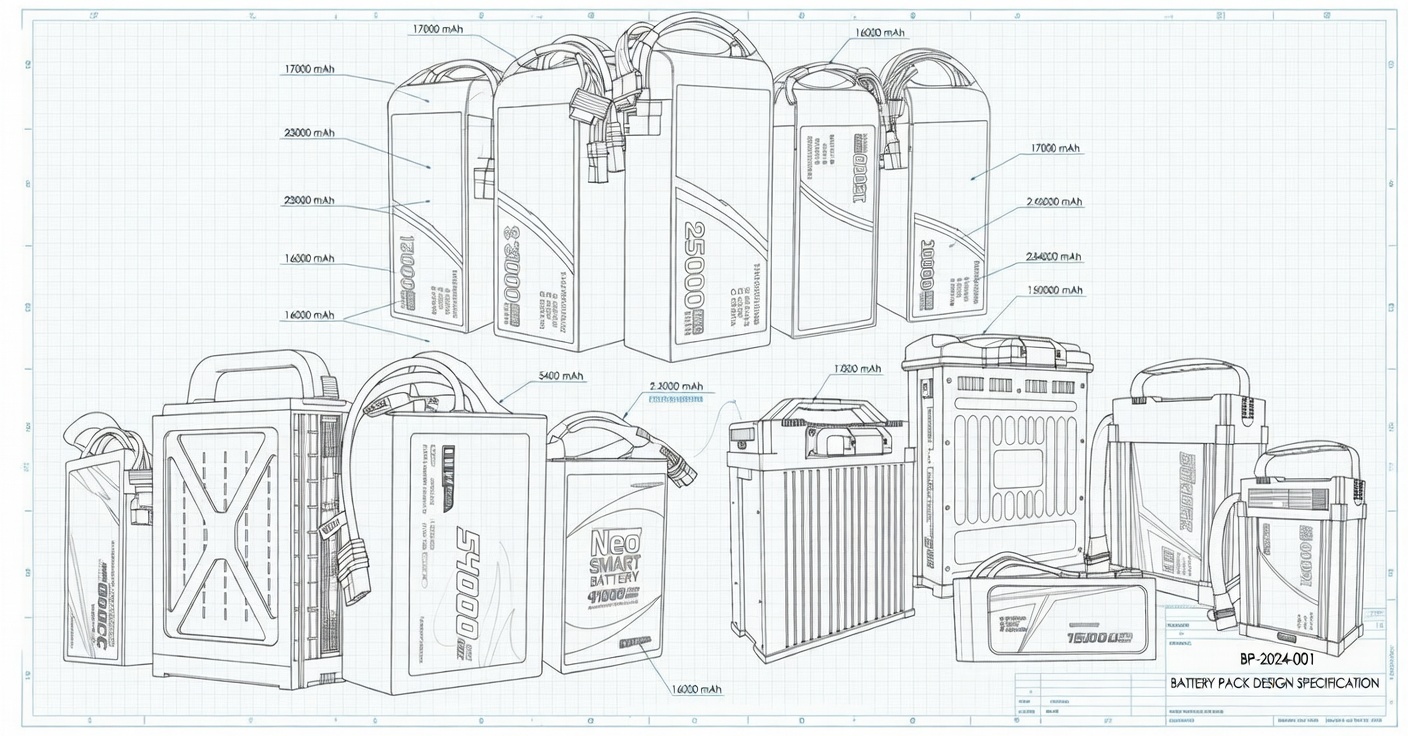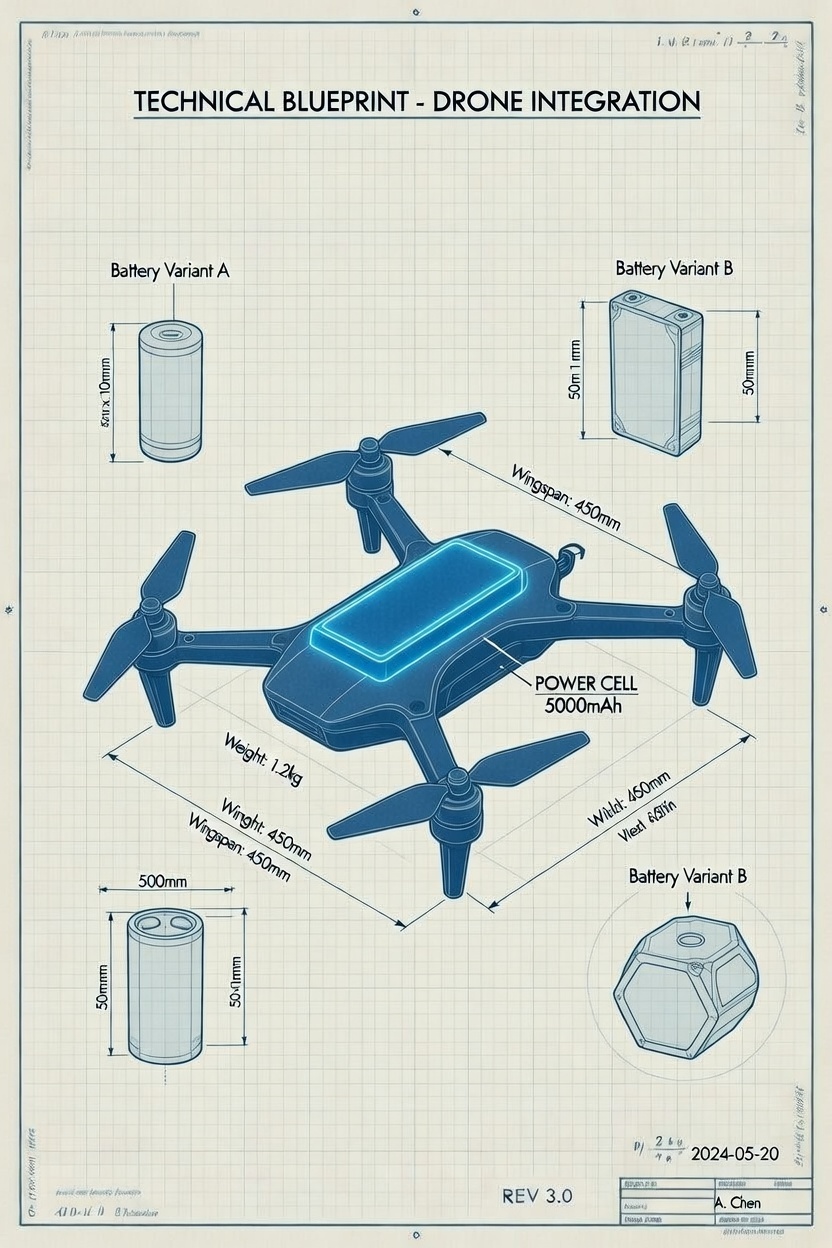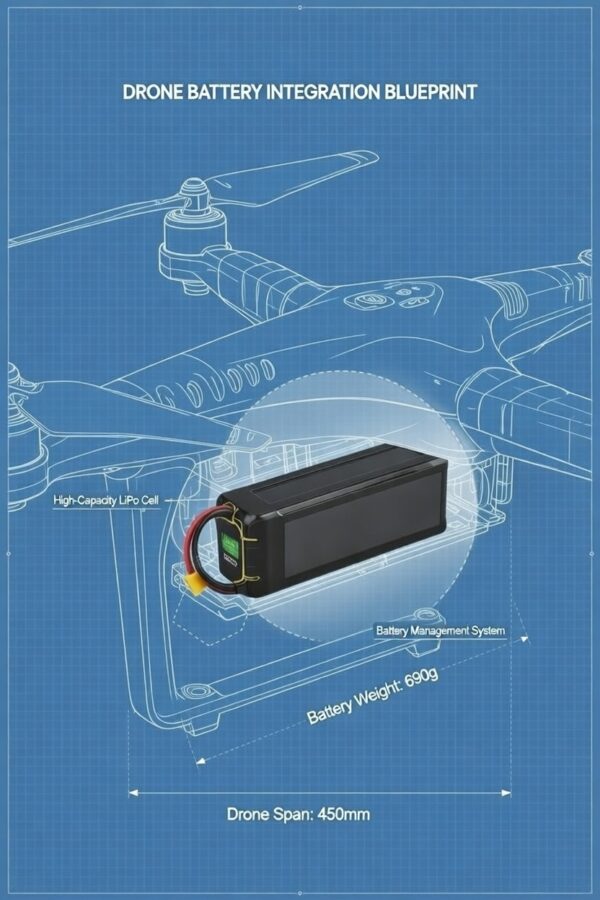
In the high-stakes world of aerial cinematography, the difference between a masterpiece and a missed opportunity often comes down to reliability. Imagine capturing the perfect golden hour shot over a misty coastline, only to have your drone power down prematurely due to moisture intrusion. Or consider the dust-choked environment of a desert documentary shoot where a single grain of sand could short-circuit your power source. For aerial filming professionals, the drone itself is only half the equation; the heart of the operation lies in the power system. Selecting the best drone batteries is not merely about capacity or voltage—it is about resilience. This is where the Ingress Protection (IP) rating becomes the unsung hero of your gear list.
The Critical Advantage of IP-Rated Drone Batteries
Why should a director of photography or a drone pilot prioritize IP ratings when selecting drone batteries? The advantages extend far beyond simple waterproofing. In professional settings, environmental unpredictability is the norm, not the exception. High IP-rated batteries offer a shield against the elements, ensuring that your shoot continues regardless of humidity, rain, or airborne particulates.
The primary advantage is operational continuity. When you are on location, time is money. A battery failure due to environmental exposure can halt production, costing thousands in crew time and lost light. Batteries with robust IP ratings minimize this risk, allowing pilots to fly in light rain or high-humidity conditions that would ground lesser equipment.
Secondly, safety and longevity are paramount. Lithium polymer (LiPo) and lithium-ion (Li-ion) batteries are sensitive to moisture. Water ingress can lead to corrosion on the connectors, increased internal resistance, and in worst-case scenarios, thermal runaway. An IP-rated battery casing prevents moisture from reaching the critical cells and management system (BMS), significantly extending the lifecycle of the investment. For professionals who rely on their gear daily, this durability translates to a lower total cost of ownership.
Finally, there is the aspect of versatility. A professional pilot often transitions between diverse environments—from the salty air of ocean shoots to the dry dust of construction site inspections. A battery with a high IP rating provides the confidence to switch locations without swapping power systems or worrying about cross-contamination of dust and moisture.
Decoding the IP Rating System
To make an informed decision, one must understand the language of protection. The IP code, defined by the International Electrotechnical Commission (IEC) standard 60529, classifies the degrees of protection provided against the intrusion of solid objects (like dust) and liquids (like water).
The code typically consists of the letters “IP” followed by two digits. For drone batteries, these numbers are critical indicators of performance.
- The First Digit (Solid Protection): This ranges from 0 to 6.
- IP5X: Dust protected. Ingress of dust is not totally prevented, but it does not enter in sufficient quantity to interfere with satisfactory operation.
- IP6X: Dust tight. No ingress of dust. For aerial filming in arid or industrial zones, IP6X is the gold standard.
- The Second Digit (Liquid Protection): This ranges from 0 to 9K.
- IPX4: Protected against splashing water from any direction. Suitable for unexpected light drizzle.
- IPX5/IPX6: Protected against water jets. This is ideal for shoots where the drone might be exposed to heavier rain or sea spray.
- IPX7: Protected against temporary immersion. While drones rarely fly underwater, this rating ensures survival if the drone lands in a puddle.
For aerial filming professionals, a rating of IP54 is often considered the minimum baseline for consumer-grade prosumer drones. However, for industrial cinematography or harsh environment documentation, aiming for IP65 or higher in the battery compartment design is advisable. It is important to note that the IP rating applies to the battery unit itself and how it interfaces with the drone’s power port. A battery might be sealed, but if the connection point is exposed, the system fails.
Comparative Analysis: What to Look For
When comparing drone batteries for professional use, the IP rating is the headline, but the underlying technology dictates the performance. Not all sealed batteries are created equal.
LiPo vs. Li-ion in Sealed Enclosures
Traditional LiPo batteries are lightweight and deliver high discharge rates, making them popular for racing and agile cinematic drones. However, they are often soft-cased and vulnerable. Newer professional-grade Li-ion smart batteries are increasingly being housed in hard, IP-rated shells. While slightly heavier, these offer better energy density and inherent structural protection. For long-form aerial filming where flight time is crucial, IP-rated Li-ion smart batteries are becoming the industry preference.
Connector Sealing Technology
The weakest point of any battery is the connector. In high IP-rated batteries, look for gold-plated connectors surrounded by rubber gaskets or silicone seals. Some advanced models utilize magnetic locking mechanisms that create a vacuum seal upon connection, effectively raising the system’s overall IP rating. When reviewing specifications, do not just look at the battery casing; inquire about the connector protection level.
Thermal Management
Sealing a battery traps heat. A common misconception is that a higher IP rating always equals a better battery. However, if the thermal design is poor, the battery may overheat during high-drain cinematic maneuvers (like rapid ascents or tracking shots). The best drone batteries balance ingress protection with thermal dissipation channels that allow heat to escape without letting water in. Look for batteries that specify operating temperature ranges alongside their IP ratings.
Step-by-Step Guide: Choosing the Right Battery
Selecting the optimal power source for your aerial rig requires a systematic approach. Follow this guide to ensure compatibility and safety.
Step 1: Assess Your Environment
Analyze where you shoot most frequently. If you are primarily a studio or clear-sky operator, IP54 may suffice. If you shoot coastal real estate, documentaries in rainforests, or industrial inspections, target IP65 or higher. Write down the specific environmental hazards (salt, dust, rain) you face.
Step 2: Verify Drone Compatibility
High IP-rated batteries may have different dimensions or connector placements due to the added sealing layers. Check your drone manufacturer’s compatibility list. Using a third-party battery with a higher IP rating is possible, but ensure the firmware recognizes the battery to avoid flight restrictions.
Step 3: Check the Certification
Look for independent testing certifications. Claims of “waterproof” are marketing terms; “IP65 Certified” is a technical standard. Request test reports if you are purchasing in bulk for a production house. Ensure the batteries also meet transport safety standards like UN38.3, especially if you travel internationally with your gear.
Step 4: Evaluate the Smart Features
Professional batteries should communicate with the drone. Ensure the IP sealing does not interfere with data pins used for cell voltage monitoring and temperature reporting. A sealed battery that cannot report its health is a liability.
Step 5: Test Before Critical Shoots
Never deploy new batteries on a paid client shoot without field testing. Conduct a controlled test in safe, damp conditions to verify the seal holds and the drone does not throw power errors.
Real-World Scenarios & Examples
To illustrate the importance of these ratings, consider two common professional scenarios.
Scenario A: The Coastal Wedding Shoot
A cinematographer is filming a wedding on a cliffside overlooking the ocean. The air is thick with salt spray, and a light mist begins to fall. Standard batteries might suffer from corrosion on the terminals after repeated exposure to salt air, leading to voltage spikes. An IP65-rated battery, however, seals out the salt mist. The pilot can continue capturing the couple’s entrance without worrying about sudden power loss due to connector corrosion.
Scenario B: The Desert Architecture Documentary
A film crew is documenting a new sustainable city project in a desert region. Fine sand dust is pervasive. Dust can infiltrate battery compartments, causing abrasion on contacts or creating conductive paths that lead to shorts. A battery with an IP6X (Dust Tight) rating ensures that the internal cells remain pristine. The crew can swap batteries in the open desert without needing a clean room environment, maintaining the shooting schedule.
Maintenance & Longevity for IP-Rated Units
Owning high-protection batteries requires specific maintenance to preserve their rating. The seals that keep water out can degrade over time.
- Inspect Seals Regularly: Before every shoot, check the rubber gaskets around the battery terminals. Look for cracks, tears, or debris. A single hair trapped in a seal can compromise the IP rating.
- Clean Properly: If shooting in saltwater environments, rinse the exterior of the battery casing with fresh water and dry thoroughly. Do not use compressed air directly on the seals, as it can force particles into the gaps.
- Storage: Store batteries in a cool, dry place. Extreme heat can warp the plastic casing, breaking the seal. Extreme cold can make rubber gaskets brittle.
- Cycle Management: Even with IP protection, follow standard lithium battery care. Do not store at 100% charge for long periods. Use storage voltage (around 3.8V per cell) to maintain chemical stability.
Conclusion
In the evolving landscape of aerial filming, the margin for error is shrinking. Clients expect 4K and 8K footage regardless of the weather, and producers demand reliability. The battery is no longer just a commodity; it is a critical component of your risk management strategy. By prioritizing IP ratings, professionals can unlock new creative possibilities, shooting in conditions that were previously deemed too risky.
When comparing the best drone batteries, look beyond the milliamp-hours. Scrutinize the IP code, understand the sealing technology, and match the protection level to your specific operational environment. Investing in high IP-rated power systems is an investment in your reputation as a reliable creator.
For professionals seeking specialized power solutions or needing detailed technical consultations on battery specifications for their specific drone models, expert guidance is available. To discuss your power requirements and find the optimal IP-rated solutions for your aerial fleet, please visit our contact page at https://cnsbattery.com/drone-battery-home/drone-battery-contact. Secure your power, protect your gear, and keep filming, no matter what the sky throws your way.