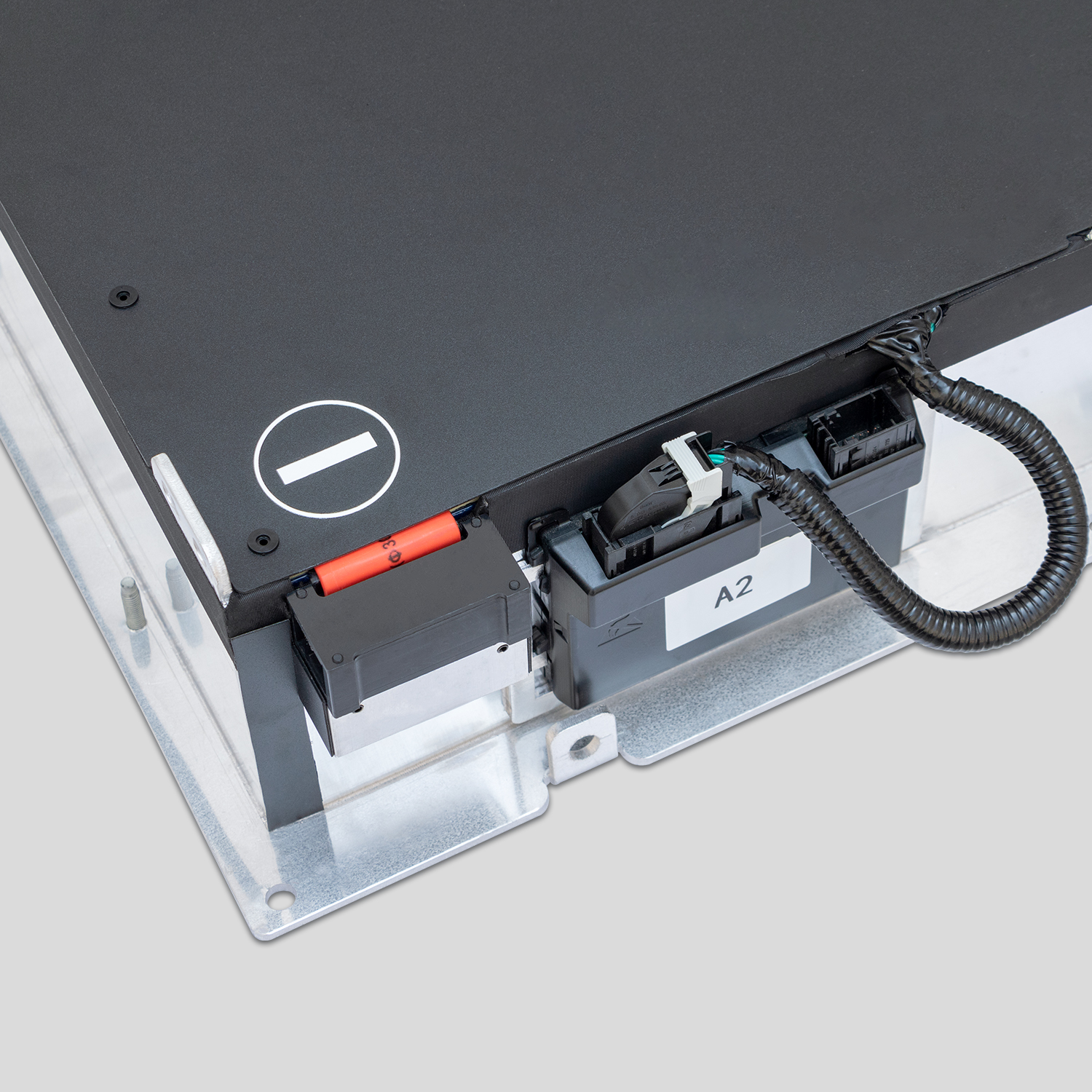
How Much for New Nissan Leaf Battery in 2026?
The Nissan Leaf remains one of the most popular electric vehicles globally, but as these cars age, battery degradation is an inevitable reality. If you’re facing a sudden drop in range or a “Battery Check” warning light, you’re likely asking yourself: “How much for a new Nissan Leaf battery in 2026?”
The answer isn’t a single number, as it depends heavily on whether you choose a brand-new replacement, a refurbished unit, or an upgraded high-capacity pack. As an industry expert, I can tell you that 2026 marks a turning point where the cost of new technology has dropped significantly, offering better value than ever before.
The True Cost of a 2026 Nissan Leaf Battery Replacement
When you search for a replacement battery, you will typically encounter three distinct price tiers. Understanding the difference between these options is crucial to avoid hidden costs down the road.
1. The Premium Route: OEM (Original Equipment Manufacturer)
If you walk into a Nissan dealership or order a direct OEM replacement, you are paying for the brand name, the logistics chain, and the assurance of factory specifications.
- Estimated Price: $12,000 – $16,000+ USD
- The Reality: While these are reliable, they often represent the original technology without improvements. For many Leaf owners, this price is simply prohibitive, often exceeding the value of the car itself.
2. The Budget Trap: Refurbished or Recycled Batteries
At the lower end of the market, you will find “rebuilt” batteries made from used cells.
- Estimated Price: $4,000 – $6,000 USD
- The Risk: These units are cheap for a reason. They are made from discarded cells that have already undergone significant wear. They often suffer from rapid degradation, swelling, or sudden failure within 6-12 months. The labor cost to install and then re-replace them often makes this the most expensive option in the long run.
3. The Smart Choice: New Aftermarket (OEM-Compatible)
This is the sweet spot for 2026. Companies like CNS BATTERY specialize in manufacturing brand-new battery packs using fresh, top-tier cells (such as CATL) that are engineered to fit Nissan Leaf specifications perfectly.
- Estimated Price: $7,500 – $9,000 USD
- The Value: You get brand-new hardware at roughly 50% of the OEM price. These packs often utilize newer cell chemistry, offering better thermal management and longer lifespans than the original 2010s-era batteries.
Why Price Isn’t the Only Factor in 2026
In 2026, simply replacing the battery isn’t enough; upgrading it is a viable strategy. Many owners are opting to not just replace their degraded 24kWh or 30kWh packs but to upgrade them to modern 40kWh, 50kWh, or even 62kWh configurations.
The “Upgrade Paradox”:
You might spend slightly more upfront on a new 62kWh pack (around $8,500 – $9,500), but you effectively double your range compared to the original car. This transforms an old Leaf into a modern EV capable of highway commutes, which the early models struggled with.
The Hidden Costs: Installation and Logistics
When budgeting for your new Nissan Leaf battery, you must factor in more than just the hardware cost.
Shipping Logistics:
Lithium-ion batteries are classified as dangerous goods (UN 3480/3481). Standard shipping is often impossible.
- Reality: Specialized freight is required. While some suppliers charge exorbitant fees, reputable ones (like CNS) often include this in the DDP (Delivered Duty Paid) price.
- Timeline: International shipping can take 4-8 weeks via sea freight, or 1-2 weeks via air (at a premium).
Installation Fees:
- Dealership/Mechanic: Expect to pay $800 – $1,500 for labor at a professional shop.
- DIY: Many modern aftermarket packs are designed for “Plug-and-Play” installation. If you have a mechanically inclined friend and basic tools, you can save thousands by doing it yourself. Most owners report a 1-2 hour installation time.
Why New Aftermarket is the 2026 Standard
Based on current market trends and user feedback, the aftermarket new battery sector is dominating the replacement market for three main reasons:
- Modern Cell Technology: New packs use contemporary Lithium Iron Phosphate (LFP) or advanced NMC cells from manufacturers like CATL. These are safer and last longer than the early-generation cells found in most 2011-2018 Leafs.
- Better Warranty Coverage: While OEM warranties are often void or expired, reputable aftermarket suppliers offer robust warranties. For instance, CNS BATTERY provides a 2-year / 80,000 km warranty, which actually exceeds the coverage offered by many original manufacturers for replacement parts.
- Cost Efficiency: Saving 50%+ on the purchase price allows owners to reinvest in their vehicle’s suspension, tires, or charging infrastructure.
Real-World Case Studies: What Owners Are Paying
To give you a clearer picture, here are actual scenarios reported by Leaf owners in early 2026:
- The Budget Revival (Mark, USA): Mark owned a 2015 Leaf ZE0. The original 30kWh battery was dead. Instead of a $14,000 OEM replacement, he chose a 62kWh upgrade from an aftermarket supplier. Total Cost: $7,800 (including shipping). Result: His range jumped from 120km to 430km.
- The Mechanic’s Choice (Mike, Canada): As a repair shop owner, Mike purchases batteries in bulk for his customers. He exclusively uses new aftermarket packs because the failure rate is near zero, and the 2-year warranty protects his business reputation. He pays roughly $8,200 per unit.
Conclusion: Is It Worth It in 2026?
So, how much should you pay? For a reliable, brand-new solution that isn’t a gamble, expect to invest between $7,500 and $9,000.
If you are quoted significantly less, be wary of refurbished cells. If you are quoted over $12,000, you are likely paying a dealership markup.
The good news is that 2026 offers a fantastic opportunity. You can source a brand-new, high-capacity battery for less than the cost of a used gasoline car, effectively giving your Leaf a “second life” with modern performance.
Ready to get your Leaf back on the road with a reliable, new battery?
Get Your Free Custom Quote Now
Frequently Asked Questions (FAQ)
Q1: Can I install a new battery myself, or do I need a mechanic?
A: While we always recommend a certified technician for safety, many modern aftermarket batteries (like those from CNS) are designed for “Plug-and-Play” installation. If you are mechanically inclined and have a friend to assist, it is possible to do it yourself in about 1-2 hours using basic tools. Detailed video guides and remote support are usually available to assist with BMS programming.
Q2: What is the warranty on a new 2026 Nissan Leaf battery?
A: Warranty terms vary significantly. OEM replacements often come with a standard warranty (if available), but many are sold “as-is.” Reputable new aftermarket manufacturers typically offer a 2-year / 80,000 km warranty. This covers defects in materials and workmanship and often guarantees the battery will retain at least 70% capacity during that period.
Q3: Why are new batteries cheaper than OEM?
A: Aftermarket manufacturers specialize in specific models (like the Leaf) and optimize their supply chains. They do not carry the massive overhead costs of a global car manufacturer. This allows them to pass the savings directly to you while using fresh, high-quality cells from top suppliers like CATL, rather than reusing old technology.
Q4: How long does shipping take for an international order?
A: Due to the hazardous nature of lithium batteries, standard快递 services are restricted. Most companies use specialized freight. Sea freight usually takes 4-8 weeks, while air freight (more expensive) can take 1-2 weeks. Reputable suppliers handle all customs clearance and duties (DDP service) to ensure a smooth delivery.