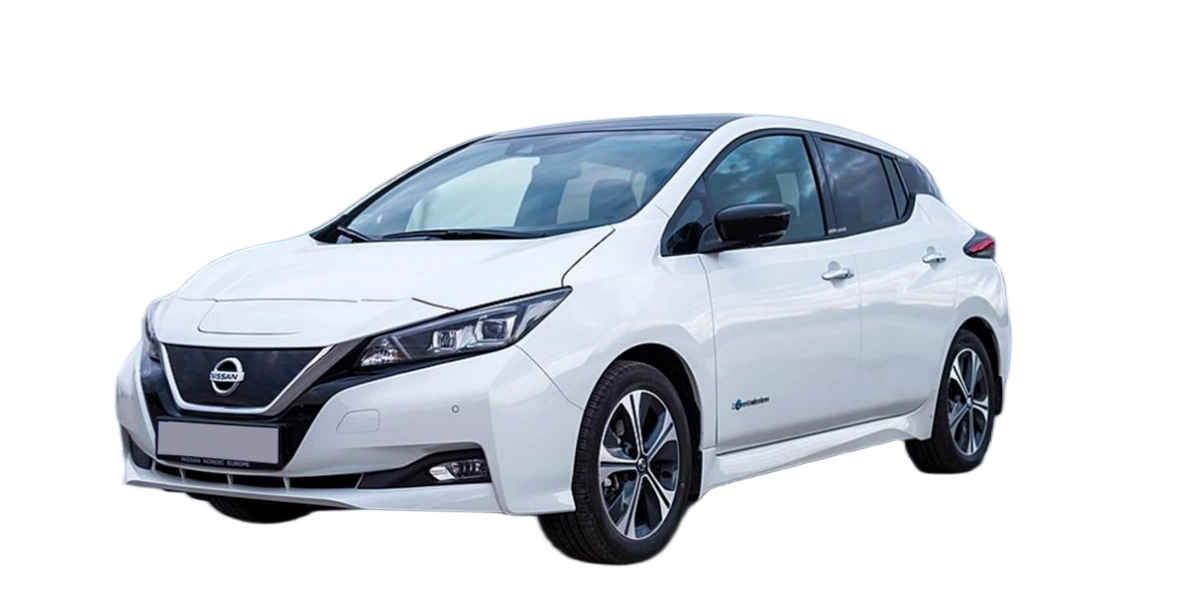
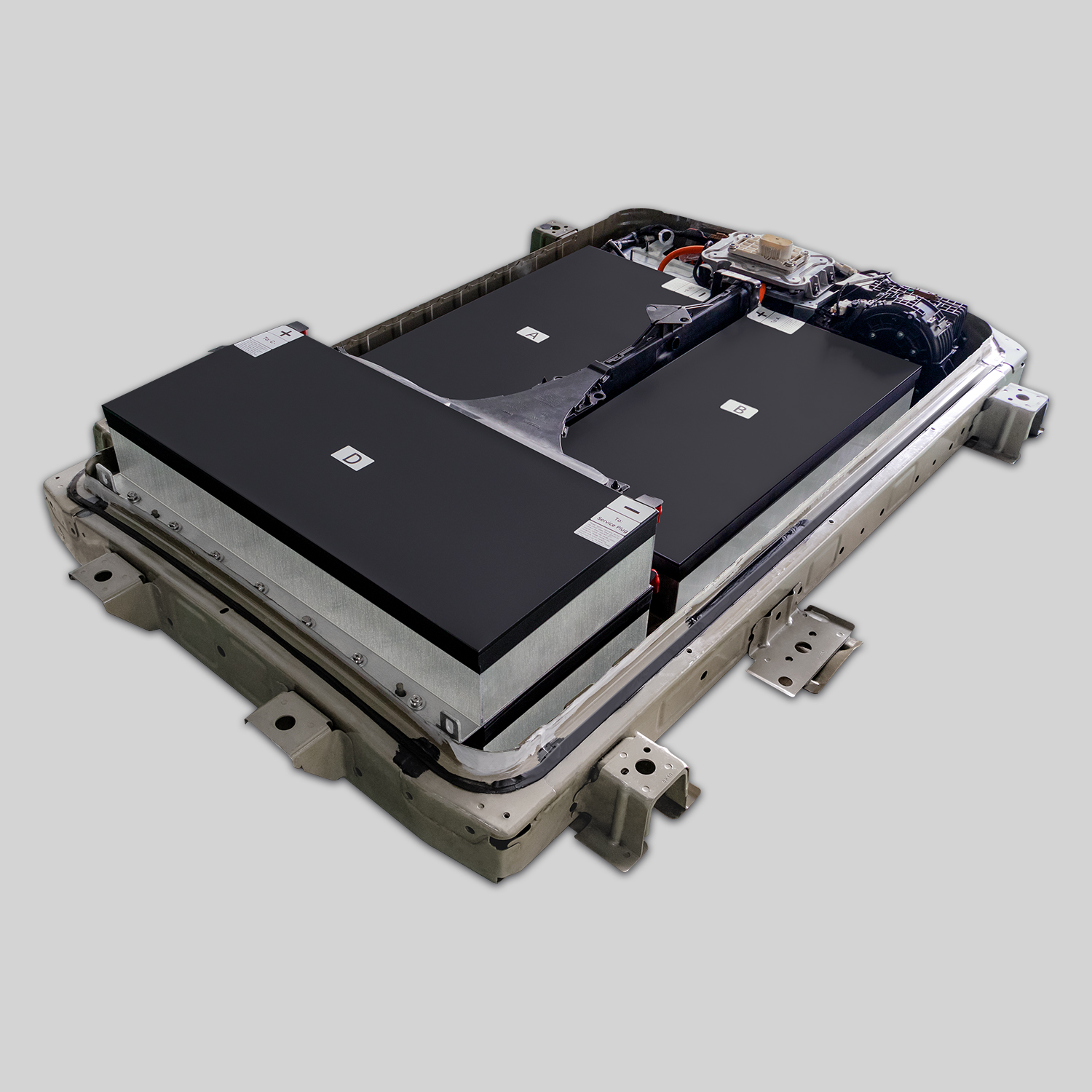
⚡ Expert Tips for Leaf AZE0 62kWh Battery Installation
If you’re reading this, you’re likely facing the common dilemma of Nissan Leaf AZE0 owners: degraded battery capacity and the high cost of OEM replacements. Upgrading to a 62kWh lithium battery pack is a game-changer for extending your vehicle’s lifespan and range. However, a successful installation requires more than just dropping in a new box. As a professional manufacturer specializing in Nissan and BMW EV batteries, I’ve compiled this guide to ensure your Leaf AZE0 battery replacement goes smoothly.
📦 Pre-Installation Checklist
Before you start, ensure you have the right tools and environment:
- Safety Gear: Insulated gloves, safety glasses, and non-conductive footwear.
- Tools: Torque wrench (set to manufacturer specifications), insulated screwdrivers, and a digital multimeter.
- Environment: A dry, well-ventilated workspace. Avoid working in wet conditions due to the high voltage involved.
Pro Tip: Always disconnect the 12V auxiliary battery first to cut power to the BMS and prevent accidental shorts during the main pack disconnection.
🛠️ Step-by-Step Installation Guide
1. Removing the Old Pack
The AZE0 model typically has the battery mounted under the floor. Carefully remove the underbody covers.
- Disconnect: Locate the main service disconnect (MSD) or the high-voltage connectors. Disconnect the negative terminal first, followed by the positive.
- Signal Wires: Gently unclip the Battery Management System (BMS) communication harness. Take a photo here for easy reconnection later.
- Mechanical Fasteners: Remove the bolts securing the pack to the chassis. The old pack might be heavy (approx. 300kg+), so ensure you have a proper lift or trolley.
2. Preparing the New CNS Battery
Our 62kWh lithium battery pack is designed for OEM compatibility. Before lifting it into place:
- Visual Inspection: Check for any shipping damage.
- Pre-Charge: Ensure the battery arrives with a charge level between 30% and 50% (our standard shipping state). If it’s below 10%, charge it slightly before installation to ensure the BMS wakes up properly.
3. Mounting and Connection
- Positioning: Carefully slide the new pack into position. The mounting points should align perfectly with the OEM chassis brackets.
- Torque Settings: Reinstall the mechanical bolts and tighten them to the manufacturer’s torque specification (usually around 80-100 Nm, but refer to your workshop manual).
- Plug-and-Play: Connect the high-voltage cables (remember: positive first, then negative) and reattach the BMS signal harness. Our packs are pre-programmed to match Nissan’s communication protocols, so no complex coding is usually needed beyond what the vehicle expects.
🧠 Expert Tips for Success
Based on thousands of installations supported by our technical team, here are the critical nuances:
- The “First Boot” Sequence:
After connecting everything, don’t rush to start the car. Turn the key to the “On” position (do not start the motor) and wait for 2-3 minutes. This allows the BMS in our 62kWh battery to communicate fully with the Leaf’s Vehicle Control Unit (VCU) and complete the handshake. - Handling the Cables:
The cables on the Leaf AZE0 can be stiff. Do not force connectors. If they don’t slide in easily, double-check the alignment. Forcing them can damage the pins, leading to voltage drop or arcing. - Post-Installation Calibration:
While our batteries are precise, your dashboard gauge might need a refresh. Drive the car until it’s fully depleted, then charge it to 100% using a Level 1 charger. This helps the SOH (State of Health) algorithm in the dashboard recalibrate to the new cell chemistry.
🤝 Why Choose a CNS 62kWh Battery?
At CNS, we don’t just sell batteries; we provide powertrain solutions. Here is why our Nissan Leaf battery replacement stands out in the market:
- Premium Cell Chemistry: We utilize brand-new CATL (Contemporary Amperex Technology Co. Limited) cells. Unlike refurbished or recycled cells, these offer the highest energy density, thermal stability, and a cycle life exceeding 3000 cycles.
- Cost Efficiency: You save over 50% compared to the original manufacturer’s price, without sacrificing safety or performance.
- Comprehensive Warranty: We back our craftsmanship with an industry-leading 2-year / 80,000 km warranty. This covers manufacturing defects and ensures that if the capacity drops below 70%, we provide support.
📝 Frequently Asked Questions (FAQ)
Q1: Is the 62kWh battery a direct drop-in replacement for my AZE0?
Yes. Our 62kWh lithium battery pack is engineered to meet OEM dimensions and interface standards. The connectors, mounting points, and communication protocols are identical to the original, allowing for a straightforward mechanical and electrical swap.
Q2: Will I need to modify my car or reprogram the ECU?
No modifications are required. The battery is plug-and-play. The BMS is pre-configured to communicate with the Nissan Leaf’s systems. You should not need to reprogram the car’s main ECU; it will recognize the new battery as a factory unit.
Q3: How much range can I expect after installing the 62kWh pack?
You can expect a real-world range of approximately 340-400 km on a full charge, depending on driving conditions, temperature, and terrain. This is a significant upgrade from the older 40kWh or degraded packs.
Q4: What support is available if I get stuck during installation?
We offer dedicated technical support. If you encounter wiring issues or the BMS doesn’t initialize, our experts provide remote video guidance to walk you through the troubleshooting process.
🚀 Ready to Revive Your Ride?
Don’t let range anxiety or a failing battery limit your journeys. Upgrading to a high-quality 62kWh lithium battery is the most cost-effective way to breathe new life into your Nissan Leaf AZE0.
For personalized advice or to place your order, contact our technical experts today. We are here to ensure you get the right solution for your vehicle.