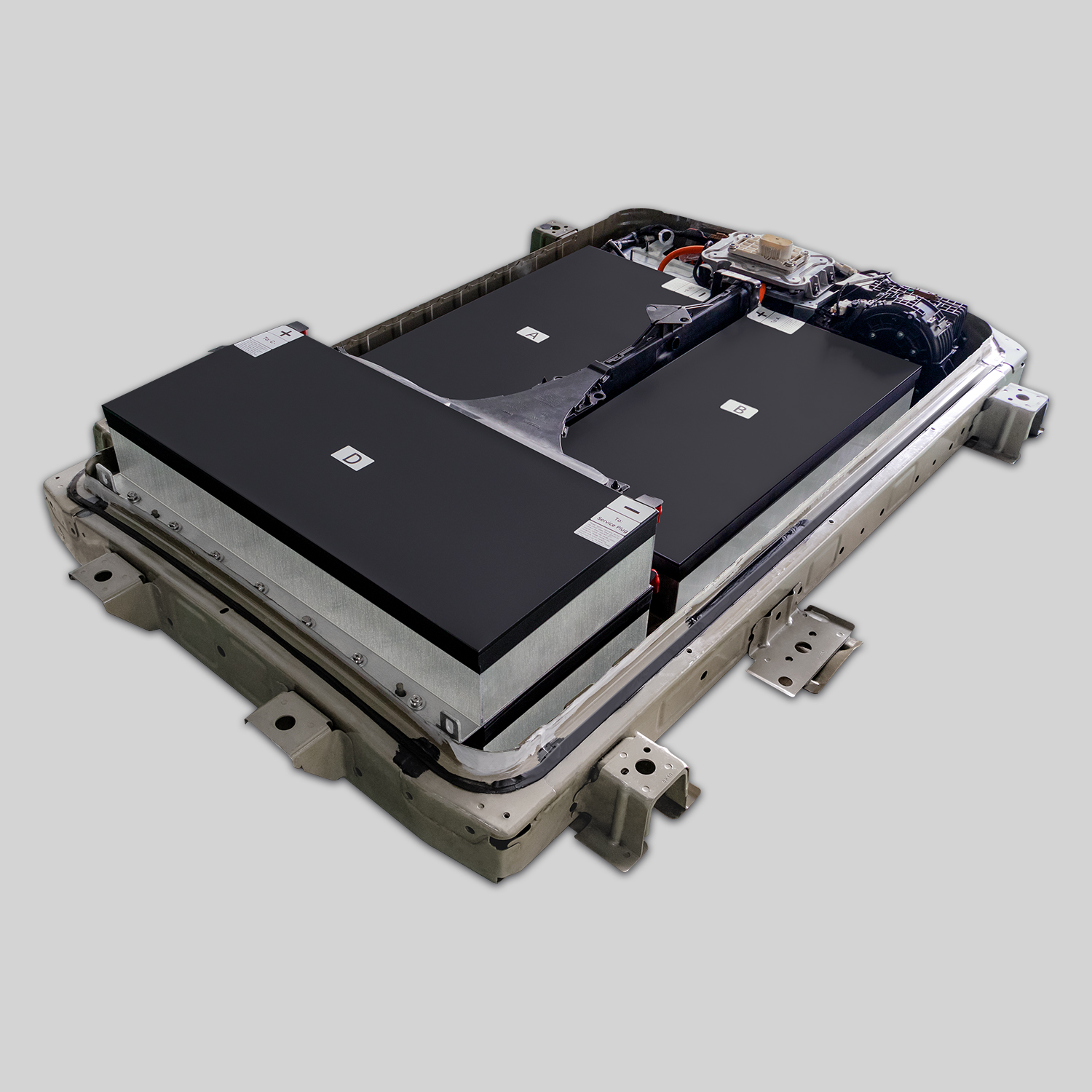
BMW i3 Battery Charging at Home: Best Practices to Maximize Lifespan
You’ve just plugged in your BMW i3 after a long day. The charging light pulses green, and you breathe a sigh of relief. But have you ever stopped to wonder: Am I charging correctly?
Many i3 owners treat home charging as a simple “plug and forget” routine. However, the habits you form tonight directly dictate whether your battery lasts another decade or degrades prematurely in just a few years. With electricity rates fluctuating and the fear of “range anxiety” looming, mastering BMW i3 battery charging at home is not just about convenience—it’s about protecting your most expensive asset.
At CNS BATTERY, we are experts in the longevity of the i3 powertrain. We’ve analyzed thousands of battery health reports and seen exactly how poor charging habits accelerate degradation. This guide reveals the proven best practices to maximize your range, lower your electric bill, and ensure your battery stays healthy for the long haul. Plus, we’ll discuss what to do when good habits aren’t enough to stop an aging battery from failing.
The Golden Rule: Why Level 2 (240V) is King
The single most impactful decision you can make for your i3’s battery health is installing a Level 2 (240V) charging station.
The Problem with Level 1 (120V)
Charging on a standard household outlet (Level 1) is painfully slow, often taking 20+ hours for a full charge.
- Heat Stress: Because the charging session lasts so long, the battery management system (BMS) and cooling fans may run intermittently or struggle to manage heat over such an extended period.
- Incomplete Balancing: The car needs time at the end of a charge cycle to perform “cell balancing” (equalizing voltage across all cells). If the charge takes too long or is interrupted, this critical maintenance step might not complete, leading to capacity loss over time.
The Level 2 Advantage
A dedicated 240V charger (like a JuiceBox, ChargePoint, or BMW Wallbox) delivers power at 3.7 kW or 7.4 kW, filling your battery in 6–10 hours.
- Optimal Thermal Management: The shorter duration allows the cooling system to work efficiently without overheating.
- Perfect Balancing: There is ample time for the BMS to balance cells fully before you unplug, ensuring you get every possible mile of range.
- Cost Efficiency: Many utilities offer special EV time-of-use rates for Level 2 charging, significantly lowering your cost per mile.
The 80% Myth: When to Charge to 100%
You’ve likely heard the advice: “Never charge your EV to 100%.” While this is crucial for daily use with modern Long-Range EVs, the BMW i3 has a unique chemistry that makes this rule slightly more nuanced.
Daily Driving: The 80% Sweet Spot
For daily commuting, setting your charge limit to 80% is indeed the best practice.
- Why? Keeping the battery at maximum voltage (100%) for extended periods (like sitting overnight or all weekend) stresses the lithium-ion cells, accelerating chemical aging.
- The Benefit: By stopping at 80%, you reduce cell stress, extend the total lifespan of the pack, and still have plenty of range for most daily trips.
The Exception: Weekly Balancing
Unlike some other EVs, the BMW i3 needs to reach 100% occasionally to perform accurate cell balancing.
- Best Practice: Charge to 80% Monday through Friday. Then, set a scheduled charge to hit 100% once a week (e.g., Sunday night). This allows the BMS to calibrate the “Guess-O-Meter” and balance the cells, ensuring your range estimate remains accurate.
- Crucial Tip: If you do charge to 100%, try to drive the car shortly after it finishes. Don’t let it sit at 100% for days on end.
Timing Is Everything: Mastering Scheduled Charging
Electricity isn’t cheap, and neither is battery degradation caused by heat. Scheduled charging is your secret weapon.
How It Works
Use your i3’s iDrive system or the BMW Connected App to set a Departure Time (e.g., 7:00 AM).
- The Magic: The car will wait to start charging until just the right moment to be fully ready by your departure time.
- Benefit 1: Cost Savings: You can align charging with off-peak utility hours (often midnight to 6 AM), slashing your energy bill by 50% or more.
- Benefit 2: Thermal Pre-Conditioning: If you schedule a departure time, the car will use grid power (not battery power) to heat or cool the cabin and battery before you unplug. This means you start your drive with a warm battery in winter (better range) or a cool one in summer (faster charging), without draining a single watt of your driving range.
Environmental Factors: Where You Park Matters
Where you plug in is just as important as how you plug in.
- Garage Charging: Whenever possible, charge in a garage. Extreme cold thickens battery electrolytes, slowing charging and reducing efficiency. Extreme heat accelerates degradation. A garage moderates these extremes.
- Shade is Key: If you must charge outdoors, park in the shade. Direct sunlight on the car (and specifically the underbody where the battery sits) forces the cooling system to work harder, wasting energy and stressing the cells.
When Best Practices Aren’t Enough: The Degradation Reality
You can follow every rule in this book—Level 2 charging, 80% limits, scheduled departures—and yet, if your BMW i3 is older (2014–2017), you might still see your range dwindling.
Why? Because charging habits can only slow down degradation; they cannot reverse it.
- Calendar Aging: Lithium-ion cells naturally lose capacity over time, regardless of usage.
- Legacy Technology: Early i3 batteries (60 Ah) used older cell chemistry that is simply more prone to degradation than modern units.
- The Tipping Point: Once your State of Health (SOH) drops below 70%, no amount of careful charging will restore your range. The chemical damage is done.
If you find yourself strictly following best practices but still struggling with 40–50 miles of range, it’s not your fault. It’s your battery. And you have a choice: live with limited mobility or upgrade to something better.
The CNS BATTERY Solution: Upgrade Beyond Factory Limits
When your original battery reaches the end of its life, the dealership will offer you an OEM replacement. Don’t do it.
- The OEM Trap: They will sell you the same outdated 60 Ah or 94 Ah technology for $18,000–$22,000 USD. You’ll reset the clock but gain no new capabilities.
- The Smart Move: Upgrade with CNS BATTERY.
Why Choose CNS BATTERY?
- Double Your Range: Swap your aging pack for a modern 120 Ah equivalent, giving you 130+ miles of real-world range.
- Modern Chemistry: Our cells utilize the latest Lithium-Ion technology, which charges faster, handles heat better, and degrades slower than your original factory pack.
- Cost Efficiency: Our complete upgrade solutions typically range from $8,000 to $12,000 USD—nearly half the cost of a dealership replacement.
- Warranty Peace of Mind: We back our upgrades with a comprehensive warranty, ensuring your new battery lasts another decade.
Real Story: From “Charging Anxiety” to “Road Trip Ready”
Meet Sarah, a 2015 i3 owner. She was meticulous about her charging habits: always 80%, always scheduled, always garaged. Yet, after 8 years, her range dropped to 45 miles. She was doing everything right, but her battery was simply old. The dealer quoted her $19,000 for a replacement that would only give her back 80 miles.
Sarah chose CNS BATTERY. We installed a 120 Ah upgrade. “Now I still follow all the best charging practices,” Sarah says, “but instead of getting 45 miles, I get 135. My habits didn’t change, but my car is completely transformed. It was the best investment I ever made.”
Stop Worrying, Start Driving Further
Mastering BMW i3 battery charging at home is essential for maximizing the life of your current pack. Use Level 2, schedule your charges, and balance that weekly 100% top-up.
But remember: even the best habits can’t stop time forever. When your battery inevitably ages, don’t settle for an expensive, obsolete OEM replacement. Upgrade to a solution that gives you more range, better technology, and unbeatable value.
Is your BMW i3 losing range despite perfect charging habits?
Don’t let an aging battery limit your freedom. Contact CNS BATTERY today for a free consultation. Discover how our BMW i3 Series Battery upgrades can double your range and restore your confidence for half the cost of a dealership replacement.
Frequently Asked Questions (FAQ)
1. Should I charge my BMW i3 to 100% every night?
No. For daily driving, charging to 80% is best to reduce cell stress. However, you should charge to 100% once a week to allow the Battery Management System (BMS) to balance the cells and calibrate your range estimate.
2. Is Level 1 (120V) charging bad for my battery?
It’s not “bad,” but it is inefficient. Level 1 charging takes so long that it can interfere with proper cell balancing and thermal management. Level 2 (240V) is highly recommended for optimal battery health and convenience.
3. Does leaving my i3 plugged in after it reaches 100% hurt the battery?
Modern EVs, including the i3, stop charging once full. However, keeping the battery at 100% state of charge for days without driving can accelerate degradation. It’s best to charge to 100% shortly before you plan to drive.
4. How much does it cost to install a Level 2 charger?
Installation costs vary by location and electrical panel capacity, typically ranging from $500 to $1,200 USD plus the cost of the unit ($300–$600). Many utilities offer rebates that can cover a significant portion of this cost.
5. My range is low even though I charge correctly. Is my battery dead?
If you follow best practices but your range has dropped below 70% of its original capacity, your battery has likely reached the end of its chemical life. Charging habits cannot reverse physical degradation. A battery replacement or upgrade from CNS BATTERY is the only solution to restore range.
6. How much does a battery upgrade cost compared to an OEM replacement?
Dealerships charge $18,000–$22,000 USD for an OEM replacement. CNS BATTERY offers high-capacity upgrades (e.g., 120 Ah) typically between $8,000 and $12,000 USD, providing double the range for half the price.
7. Can I upgrade my 2014 i3 to a larger battery?
Yes! This is our most popular service. We can upgrade older 60 Ah models to 120 Ah capacity, providing 130+ miles of real-world range. The installation is plug-and-play and requires no modifications to your car’s exterior or interior.