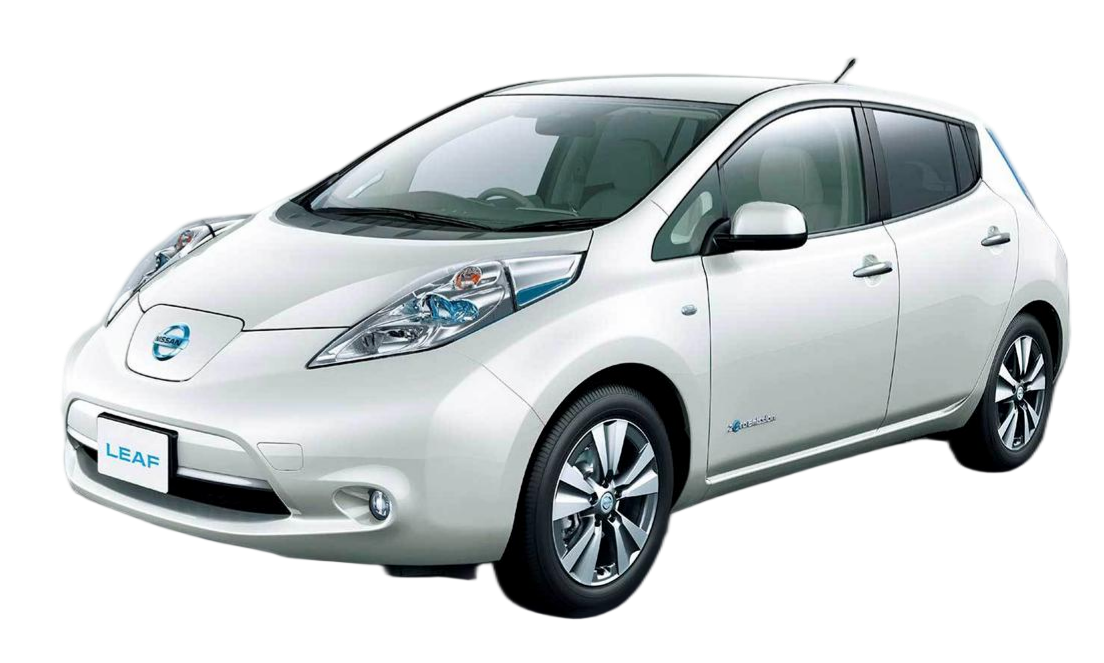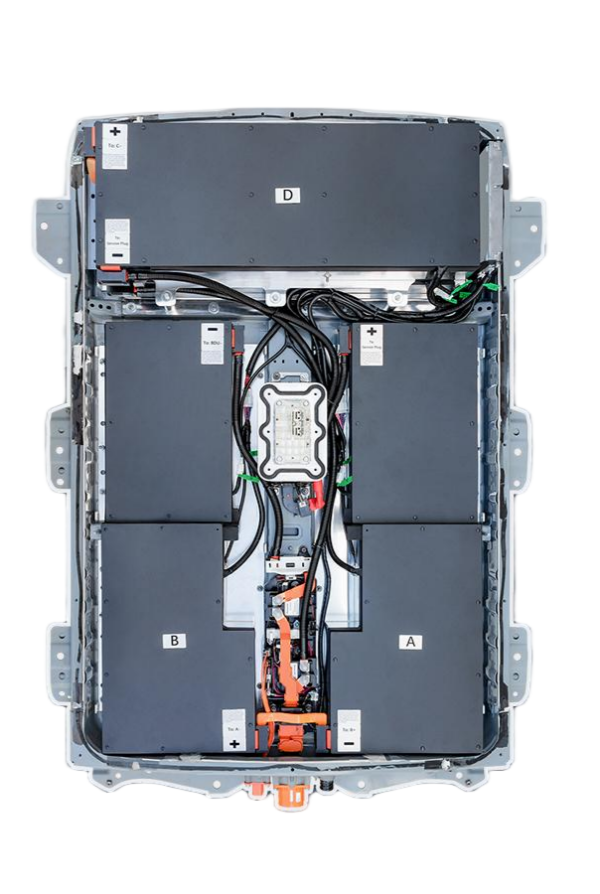
🚚 LFP vs NCM: Which is Better for Your Nissan e-NV200 Installation?
Upgrading your Nissan e-NV200’s battery is a significant decision. As an expert at CNS BATTERY, I understand the hesitation you face: “Should I stick with the traditional chemistry, or should I embrace the new, safer LFP technology?”
If you own a Nissan e-NV200, you likely use it for business—delivery routes, family transport, or daily commutes. You need reliability, range, and safety. This guide will break down the technical differences between Lithium Iron Phosphate (LFP) and Nickel Cobalt Manganese (NCM) batteries to help you make the best choice for your specific needs.
⚡ The Core Difference: Chemistry & Stability
Before we dive into the specs, let’s understand the “engine” of your battery.
1. NCM (Nickel Cobalt Manganese): The Performance Veteran
Most original Nissan EVs, including the early e-NV200 models, came equipped with NCM batteries (specifically, NMC chemistry). This chemistry is known for its high energy density.
- The Science: NCM batteries use a combination of Nickel (for capacity), Cobalt (for stability and lifespan), and Manganese (for thermal stability).
- The Trade-off: While they pack a lot of power into a small space, they operate at higher voltages and are chemically less stable than their LFP counterparts. They require more complex cooling systems to manage heat.
2. LFP (Lithium Iron Phosphate): The Safety Titan
LFP technology has evolved rapidly. It uses iron and phosphate for the cathode.
- The Science: The chemical bonds in LFP are incredibly strong. The “P-O” bond is much more stable than the “M-O” bond in NCM.
- The Result: This translates to a battery that is virtually immune to thermal runaway (fire). It also has a much longer cycle life, meaning it can be charged and discharged thousands more times before degrading.
📊 Head-to-Head Comparison: NCM vs LFP
To help you visualize the differences, here is a direct comparison of the two technologies relevant to your e-NV200 installation.
| Feature | NCM (Nissan Original Type) | LFP (New Generation) |
|---|---|---|
| Energy Density | High (More range in a smaller pack) | Moderate (Slightly larger for the same kWh) |
| Cycle Life | 1000-2000 cycles | 4000-6000+ cycles |
| Safety | Good (Requires strict thermal mgmt) | Excellent (Thermally stable, fire-resistant) |
| Cold Weather | Better performance in freezing temps | Slightly reduced range in extreme cold |
| Cost | Higher (Uses expensive Cobalt/Nickel) | Lower (Uses abundant Iron/Phosphate) |
🔋 Why NCM Might Be Your Choice
If you are replacing the battery in your Nissan e-NV200, you might consider sticking with NCM for specific reasons:
- Physical Fit: If you have a tight engine bay or specific space constraints, an NCM battery might fit the original footprint more precisely due to its higher energy density.
- Cold Climate Commuting: If you live in a region where temperatures regularly drop below freezing, NCM batteries generally maintain their discharge performance better than standard LFP batteries in extreme cold.
- Original Specs: If you strictly want to replicate the factory experience of your Nissan, NCM is the chemistry Nissan traditionally used.
Expert Note: At CNS BATTERY, we offer high-grade NCM replacements using brand-new CATL cells. This is crucial because many “replacement” batteries on the market use recycled or second-life cells, which lack the safety and density of new NCM chemistry.
🛡️ Why LFP is Often the Superior Upgrade
For most Nissan e-NV200 owners, I often recommend considering an LFP upgrade, even if it means a slight modification in packaging. Here is why:
1. Unmatched Longevity
If you use your e-NV200 for a delivery fleet or high-mileage driving, LFP is the ultimate choice. With a cycle life of over 4,000 cycles, an LFP battery can last 10-15 years without significant degradation. You are essentially buying a battery for the lifetime of the vehicle.
2. Safety First
As a business owner, the last thing you want is a fire risk in your warehouse or garage. LFP batteries are inherently safe. They do not catch fire even if punctured or short-circuited. This makes them ideal for commercial use where safety compliance is critical.
3. Lower Total Cost of Ownership
While the upfront cost might be similar, LFP batteries save you money in the long run. Because they last so much longer, you won’t need to replace them as often as an NCM pack. Additionally, they require less complex Battery Management Systems (BMS), reducing maintenance costs.
🛠️ The Installation Reality: What You Need to Know
Switching from NCM to LFP (or vice versa) isn’t just about dropping a box into your car. Here is the practical advice you need before installation.
Voltage Compatibility is Key
The Nissan e-NV200’s motor and controller are designed for a specific voltage range.
- NCM: Typically operates at a higher nominal voltage (e.g., 360V for larger packs).
- LFP: Operates at a lower nominal voltage (e.g., 350V).
- The Fix: A direct swap might require a minor BMS recalibration or a voltage booster to ensure the car’s computer reads the state of charge correctly. This is why professional consultation is vital.
Physical Dimensions
LFP cells are often larger (usually in prismatic or “pouch” form) than NCM cells. If you are installing an LFP pack in an e-NV200 designed for NCM, you might need to modify the battery tray or enclosure slightly. However, CNS BATTERY offers OEM-compatible designs that minimize this hassle.
Thermal Management
NCM batteries get hotter and usually require active liquid cooling. LFP batteries run cooler and can often function safely with passive air cooling. If you switch to LFP, you might be able to simplify your cooling setup, reducing weight and complexity.
🤝 Making the Decision with CNS BATTERY
At CNS BATTERY, we don’t just sell boxes of cells; we provide powertrain solutions. Whether you decide on NCM for its compact range or LFP for its bulletproof durability, we have options for your Nissan e-NV200.
Here is how we ensure your installation is a success:
- VIN Verification: We check your specific e-NV200 model year to guarantee physical and electrical compatibility.
- New Cell Guarantee: We never sell refurbished or used cells. Our NCM packs use top-tier CATL cells, and our LFP options use the latest high-density iron-phosphate tech.
- Warranty Support: We back our batteries with a robust 2-year / 80,000 km warranty, far exceeding industry standards.
Don’t gamble with your vehicle’s heart. If you are unsure whether LFP or NCM is right for your e-NV200, get a free expert consultation.
Get Your Free Custom Quote Now
❓ Frequently Asked Questions
Q1: Can I directly replace my old NCM battery with an LFP battery in my Nissan e-NV200?
A: Technically, yes, but it requires expertise. The main challenge is the State of Charge (SOC) algorithm. The car’s computer reads voltage differently for LFP vs NCM. A professional modification of the BMS (Battery Management System) or a specific adapter is usually required to ensure the dashboard displays the correct range.
Q2: Which one is cheaper in the long run?
A: LFP (Lithium Iron Phosphate) is cheaper in the long run. While the upfront cost might be similar, LFP batteries last 2-3 times longer than NCM batteries. You will likely replace an NCM battery twice before you need to replace an LFP battery.
Q3: Is LFP safe for my Nissan’s motor?
A: Absolutely. LFP batteries provide the same power output (kW) required by the Nissan motor. The only difference is the internal chemistry. As long as the voltage is matched correctly during installation (which our engineers ensure), your motor will function perfectly, if not better, due to the stable power delivery.
Q4: What if I drive in very cold areas?
A: If you live in an area with harsh winters (below -10°C), NCM might be the safer bet for maintaining range. However, modern LFP batteries with advanced heating systems are closing this gap rapidly. If you choose LFP in a cold climate, ensure the battery pack has a robust thermal management system to pre-heat the cells before driving.