Expert Tips for Leaf ZE0 68kWh Battery Replacement
Upgrading your Nissan Leaf ZE0 (2011-2015) to a 68kWh battery is the ultimate “life-extender” for your EV. As a seasoned expert in the EV aftermarket, I can tell you that this specific upgrade transforms your car from a short-range commuter into a capable long-distance vehicle. However, replacing the battery in a ZE0 isn’t just about dropping in a new pack; it requires specific technical knowledge to ensure compatibility and safety. In this guide, I will walk you through the critical steps, common pitfalls, and why choosing the right supplier is non-negotiable for this high-voltage project.
🚗 Why Upgrade to a 68kWh Battery?
The original 24kWh or 30kWh batteries in the ZE0 models often suffer from severe degradation. Replacing them with a brand new 68kWh lithium battery pack is a game-changer.
- Range Revival: You can expect a full charge range of approximately 470km (real-world conditions), effectively doubling or tripling your previous mileage.
- Cost Efficiency: Compared to buying a new EV, this upgrade costs roughly 50% less than an OEM replacement while utilizing new, high-quality cells.
- Performance: New cells from top-tier manufacturers like CATL offer superior discharge rates and thermal management compared to the aging chemistry of the original pack.
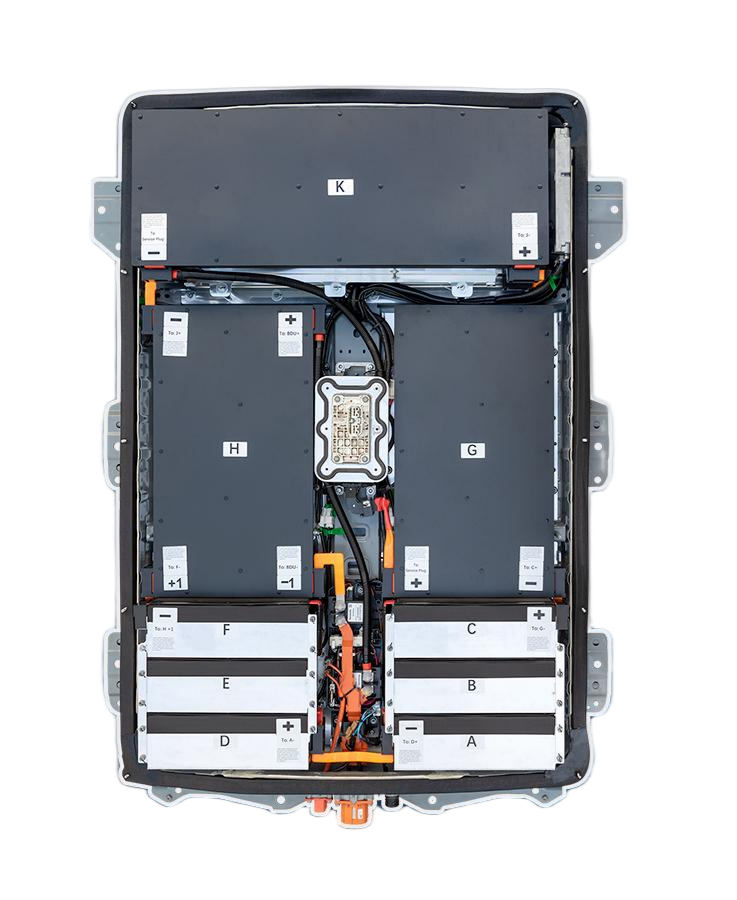
Expert Note: The 68kWh module is physically larger and heavier than the original ZE0 pack. Ensure your workshop checks the suspension and ground clearance post-installation.
⚡ Technical Compatibility: ZE0 vs. The New Pack
Before you proceed, you must understand the technical handshake between the old car and the new battery.
1. The BMS & Communication Protocol
The Nissan Leaf ZE0 uses a specific Battery Management System (BMS) protocol. A successful 68kWh replacement requires the new battery to mimic the original ZE0’s communication language perfectly. If the BMS signals are mismatched, the car will throw errors or refuse to charge.
2. Physical Fitment
While the 68kWh pack is designed to fit the ZE0 chassis, minor modifications to the battery tray or cable routing might be necessary. Pre-fitting is mandatory. Do not bolt it in blindly.
3. Charging Port & Voltage
The 68kWh pack operates at a higher nominal voltage. Ensure your charging port and onboard charger (OBC) are rated for the increased load. Most modern aftermarket packs are designed to be plug-and-play with the original connectors, but always verify the pinout configuration.
🛠️ The Installation Process: Step-by-Step
Based on thousands of successful installations we’ve supported, here is the professional workflow:
- Preparation: Disconnect the 12V auxiliary battery. Wear proper insulated gloves and eye protection. Lithium-ion packs store lethal voltage.
- Removal: Carefully lift out the old degraded pack. This is usually the heaviest part of the job.
- Inspection: Check the high-voltage (HV) cable harness for wear. If the cables are frayed, they must be replaced before connecting the new battery.
- Installation: Lower the 68kWh pack into place. Torque the mounting bolts to the manufacturer’s specification (usually around 80-100 Nm, but check your specific model).
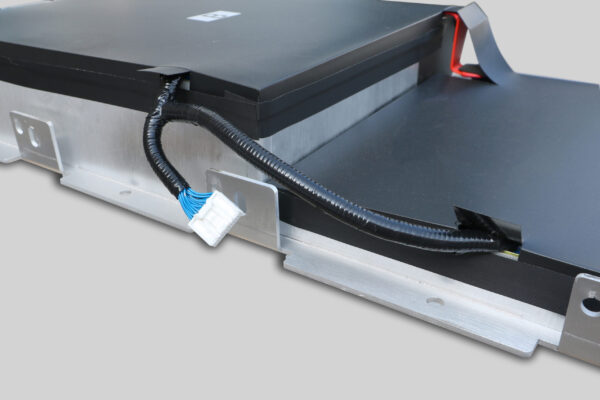
- Connection: Connect the HV cables (positive and negative) and the low-voltage signal harness.
- Programming & Sync: This is the most critical step. The car’s Body Control Module (BCM) needs to be reset, and the BMS must be initialized. This often requires specialized software or a remote video guide from your supplier.
🛡️ Why Quality Matters: Avoiding “Battery Swelling”
I cannot stress this enough: Not all 68kWh batteries are created equal.
We often see horror stories of “swollen” batteries or sudden power failures. This is almost always due to using recycled or B-grade cells that cannot handle the thermal cycles of a ZE0.
- Cell Quality: You must use brand new, Grade A cells (ideally from CATL or similar tier-1 suppliers). These cells have undergone rigorous testing for thermal runaway and cycle life.
- Warranty: A reputable supplier should offer a minimum of 2 years or 80,000 km. If they only offer 6 months, they likely don’t trust their own product.
💡 Pro Tips for a Smooth Transition
- Winter Range: Even with 68kWh, cold weather (below 0°C) can reduce your range by 20-30%. Pre-condition the battery while plugged in whenever possible.
- Charging Habits: To maximize the lifespan of your new pack, avoid charging to 100% daily if you don’t need the range. Keeping it between 20%-90% is ideal for longevity.
- The “Jumper” Myth: Some older guides mention needing a “jumper wire” or resistors to trick the car into accepting a larger pack. Modern professional 68kWh packs do not require this. They use intelligent BMS software to communicate the correct SOC (State of Charge) to the car’s dashboard.
📝 Frequently Asked Questions (FAQ)
Q1: Is the 68kWh battery a direct fit for my 2013 Nissan Leaf ZE0?
A: Yes, it is designed as a direct replacement. However, because it is physically larger than the original 24kWh pack, you may need to adjust the battery cover or ensure there is no interference with the chassis rails. Most professional installations require no chassis modification.
Q2: Will this upgrade void my car’s remaining warranty?
A: Since the ZE0 is an older model (2011-2015), most factory warranties have expired. However, a professionally installed aftermarket battery from a reputable manufacturer like CNS comes with its own warranty (2 years/80,000km), which covers the battery pack independently of the car’s original warranty.
Q3: How long does the installation take?
A: For a professional technician, the physical swap usually takes 1-2 hours. However, the BMS programming and system reset can take additional time. We highly recommend having a technician who has experience with Nissan Leaf upgrades or utilizing remote video support from the supplier during the first connection.
Q4: What is the expected lifespan of a new 68kWh pack?
A: With proper care and using Grade A cells, you can expect the battery to last over 10 years or 300,000+ km while retaining over 70% of its capacity.
📬 Ready to Transform Your Ride?
Upgrading your Leaf ZE0 to a 68kWh battery is one of the most satisfying modifications you can make to an older EV. It breathes new life into the vehicle and makes it relevant for modern driving needs.
If you are ready to get a quote or have specific questions about VIN compatibility, our technical experts are here to help.