Nissan Leaf AZE0 Battery Replacement: OEM vs Aftermarket Comparison
The Nissan Leaf AZE0 (2018-2024) is a beloved electric vehicle known for its reliability and practicality. However, as these cars age, owners inevitably face the decision of battery replacement. When that time comes, you’re typically presented with two distinct paths: the Original Equipment Manufacturer (OEM) route or an Aftermarket solution.
This guide is designed to help you navigate this complex decision. We will dissect the cost, performance, and long-term value of both options to determine which is the best fit for your budget and driving needs.
🏭 Understanding the OEM Option: Factory Standards
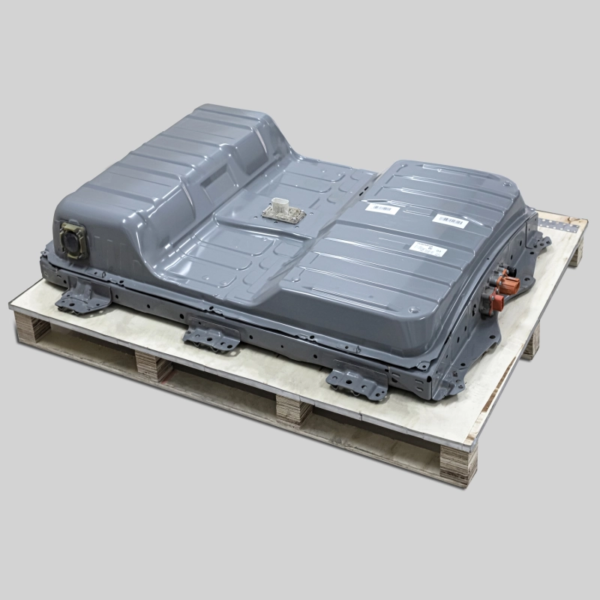
OEM batteries are replacements provided directly by Nissan or its authorized partners. These are the “gold standard” in terms of compatibility, as they are the exact same units installed on the assembly line.
Pros of OEM
- Guaranteed Fit: There is zero guesswork. The Battery Management System (BMS), connectors, and dimensions are identical to your original unit.
- Factory Warranty: If your car is still under the original manufacturer’s warranty, an OEM replacement keeps you covered without voiding any agreements.
- Peace of Mind: You are getting the exact technology that Nissan engineers approved for your vehicle.
Cons of OEM
- Prohibitive Cost: This is the biggest hurdle. An OEM replacement can cost upwards of $12,000 to $16,000. For a used car, this often exceeds the vehicle’s resale value.
- Aged Technology: You are essentially buying a “new old stock” part. You won’t benefit from advancements in battery chemistry or energy density that have occurred since your car was manufactured.
- Limited Availability: Depending on your region, sourcing a brand-new OEM pack can be difficult, often requiring long lead times or being restricted to specific dealerships.
🚀 Exploring the Aftermarket Option: Innovation & Value
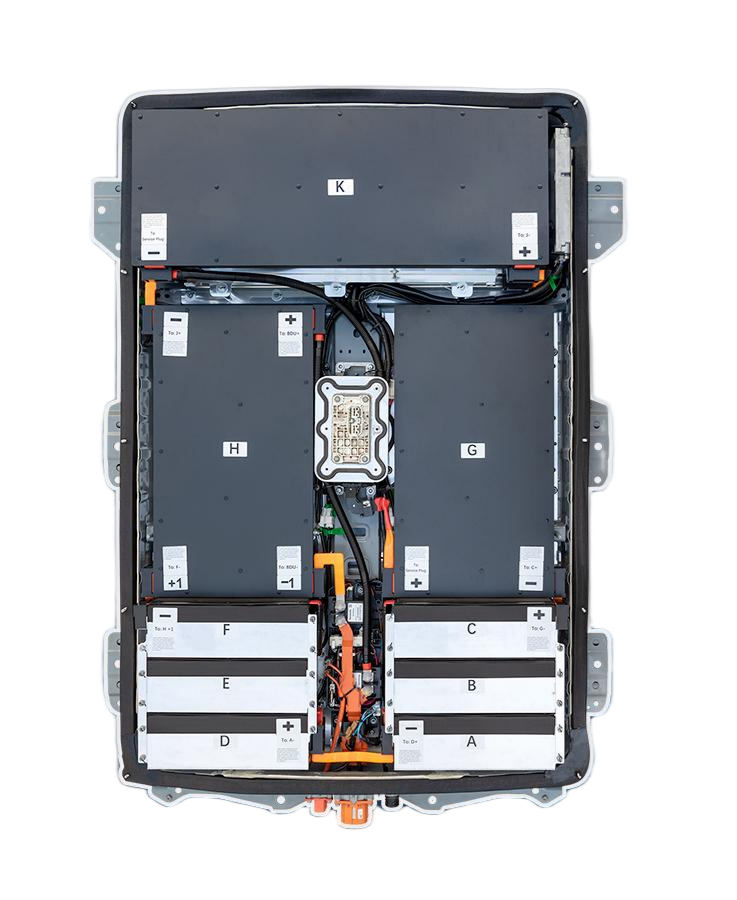
Aftermarket batteries are manufactured by third-party companies specializing in EV powertrains. These are not “knock-offs”; they are engineered replacements designed to meet or exceed OEM specifications.
Pros of Aftermarket
- Cost Efficiency: This is the primary driver. Aftermarket solutions, such as those from CNS BATTERY, typically cost 50% to 70% less than OEM options. This brings the price point down to a much more manageable $5,000 to $8,000 range.
- Technological Upgrades: Many aftermarket manufacturers utilize the latest Grade-A Lithium Cells (such as those from CATL) that offer higher energy density and improved thermal management compared to the cells used in the original AZE0 production.
- Customization: Some providers offer upgrades, such as increasing your capacity from 40kWh to 62kWh, effectively boosting your vehicle’s range beyond factory specifications.
- Availability: Reputable aftermarket suppliers often have stock readily available for global shipping.
Cons of Aftermarket
- Warranty Nuances: While the aftermarket battery itself comes with a warranty (often 2 years or more), it may not cover the rest of your car. You need to ensure the supplier offers a robust warranty specific to the battery pack.
- Installation Complexity: While most are plug-and-play, some may require minor BMS programming or adaptation, requiring a skilled technician or a helpful support team.
⚖️ Head-to-Head Comparison: The Decision Matrix
To make the decision easier, let’s compare these options across the metrics that matter most to Leaf AZE0 owners.
| Feature | OEM Replacement | Aftermarket (Premium) |
|---|---|---|
| Price Range | $12,000 – $16,000 | $5,000 – $8,000 |
| Battery Cells | Original factory cells (Aged tech) | Newer CATL/Grade-A cells (Latest tech) |
| Warranty | Factory warranty (if applicable) | Direct manufacturer warranty |
| Installation | Plug-and-play | Mostly plug-and-play (minor programming may be needed) |
| Best For | Collectors, warranty preservation | Daily drivers, cost-conscious owners |
📝 Making Your Choice
If you are looking to keep your Nissan Leaf AZE0 on the road for another 100,000 miles without breaking the bank, the Aftermarket option is often the smarter financial decision. The technology used in modern aftermarket packs is frequently superior to the original 2018-era components, offering better range and longevity.
However, if you have a pristine, low-mileage example that you plan to keep under strict factory warranty conditions, or if you simply prefer the absolute zero-risk route regardless of cost, OEM remains the safe choice.
💡 Frequently Asked Questions (FAQ)
1. Will an aftermarket battery void my Nissan warranty?
If your car is still under the original Nissan warranty, installing an aftermarket part can potentially void the powertrain warranty. However, most Leaf AZE0 owners considering a replacement are well beyond the 8-year/100,000-mile warranty period. Always check your specific warranty terms.
2. Is the installation difficult?
For the Nissan Leaf AZE0, most battery replacements are considered “moderate” difficulty. It requires safely discharging the high-voltage system and heavy lifting. While some experienced DIYers do it themselves (taking roughly 2 hours), it is highly recommended to use a certified mechanic to ensure the BMS is programmed correctly and the high-voltage connectors are seated safely.
3. How much range can I expect from an aftermarket battery?
With a premium aftermarket pack using new CATL cells, you can expect to achieve the full advertised range of your specific model (e.g., approximately 150 miles for a 40kWh or 226 miles for a 62kWh), which is often a significant improvement over your degraded original battery.
4. What is the typical warranty on an aftermarket battery?
Reputable manufacturers like CNS BATTERY offer warranties such as 2 Years / 80,000 km, which often surpasses the remaining coverage on a used Leaf.
Ready to explore your replacement options? Get a Free Custom Quote for your Nissan Leaf AZE0 Battery and see how much you can save.