🌡️ Winter Survival Guide for Nissan e-NV200 24kWh Owners in New Zealand
As the crisp winter air settles over New Zealand, many Nissan e-NV200 owners are facing the same annual challenge: a sudden drop in driving range and slower charging speeds. If you’re relying on your trusty 24kWh e-NV200 for daily commutes or commercial deliveries, the cold months can feel like a battery-powered nightmare.
Don’t let the winter blues ground your vehicle. At CNS Battery, we understand the unique struggles of New Zealand’s EV owners. We have compiled this comprehensive survival guide to help you maximize your battery performance during the colder months. Additionally, we will explore how upgrading your battery can provide a permanent solution to these seasonal woes.
❄️ Why Does the 24kWh Battery Struggle in New Zealand Winters?
Before we dive into the solutions, let’s understand the enemy: physics. Your 24kWh lithium-ion battery is a chemical marvel, but cold temperatures significantly slow down the internal chemical reactions.
- The Range Thief: For every 10°C drop in temperature, you can expect a 10-20% reduction in usable range. This means your 24kWh pack, which might barely cover your needs in summer, becomes critically short in winter.
- The Heating Dilemma: Unlike gas cars that use waste engine heat, your e-NV200 uses precious battery power to run the heater. Running the cabin heater on a cold New Zealand morning can consume up to 30% more energy.
- Charging Crawl: Cold batteries resist charging. If your battery temperature drops below 0°C, the charging speed can plummet, and the BMS (Battery Management System) may refuse to charge until the pack warms up.
🛠️ Essential Winter Survival Tactics
You don’t need to upgrade your battery immediately, but you do need to change your habits. Here are the tactics we recommend to our clients in Christchurch, Queenstown, and Wellington.
1. Pre-Conditioning is Key
Always plug in your vehicle. Modern EVs allow you to heat the battery while still connected to the grid. Never start a journey with a cold battery. If your e-NV200 doesn’t have a built-in timer, consider using a smart plug to heat the cabin while it’s still charging, preserving your driving range.
2. The “Seat Warmer” Strategy
Resist the urge to blast the heater immediately. Instead, use the seat warmers (if equipped) or wear thermal layers. Seat warmers use significantly less energy than heating the entire cabin volume. Once the car is moving and the battery warms up slightly, you can adjust the climate control.
3. Tyre Pressure Maintenance
Cold air causes tyres to lose pressure. Under-inflated tyres increase rolling resistance, which is the second biggest drain on your battery after the heater. Check your tyre pressure weekly during winter and keep them inflated to the manufacturer’s recommended level (usually found on the driver’s door jamb).
4. One-Pedal Driving
Maximize regenerative braking. In winter, regen is your best friend. By lifting off the accelerator early, you not only slow down the car but also recapture kinetic energy and convert it back into electricity. This is crucial for stop-and-go traffic in cities like Auckland or Dunedin.
🚀 The Ultimate Solution: Upgrading Your Battery
While the tips above help, they are temporary fixes. If you are tired of range anxiety dictating your winter schedule, it is time to consider a permanent upgrade.
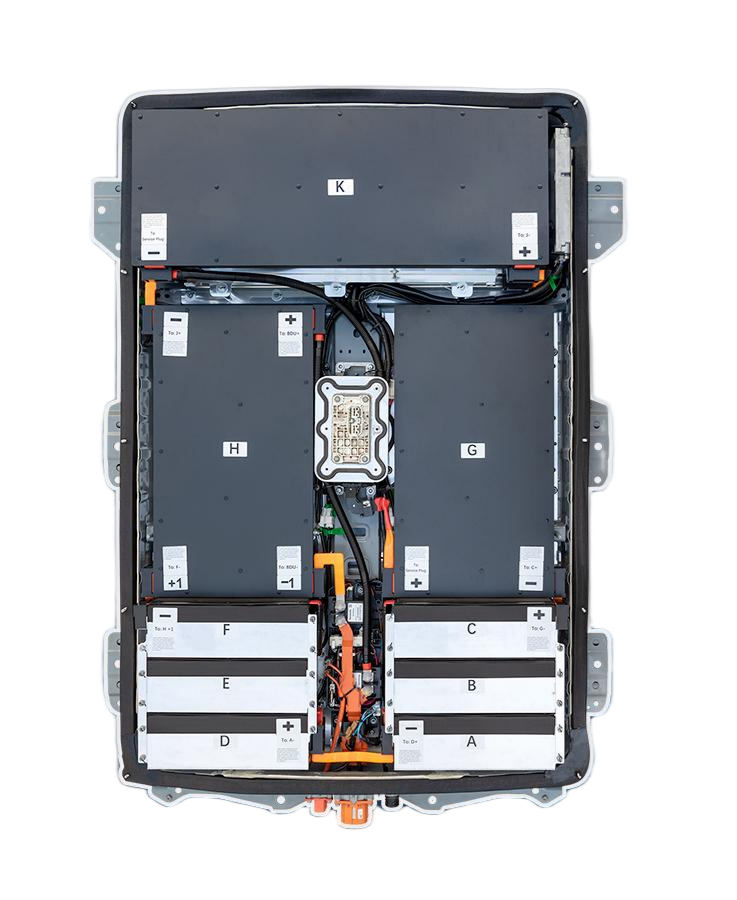
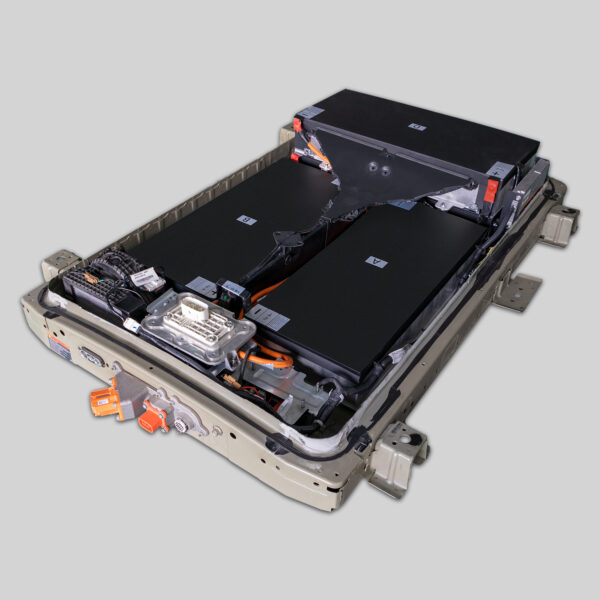
The 24kWh e-NV200 was groundbreaking in its time, but technology has moved on. We specialize in providing high-capacity, OEM-compatible lithium battery packs for Nissan vehicles, including the e-NV200.
Why Upgrade from 24kWh?
Imagine trading your 24kWh for a 50kWh or 62kWh powerhouse. The difference is night and day:
- Doubling the Range: A 50kWh pack effectively doubles your summer range and negates the winter loss. Even with a 20% winter penalty, you will have more usable range than a brand-new 24kWh pack.
- Modern Chemistry: Our upgraded packs utilize the latest NMC (Nickel Manganese Cobalt) chemistry, which offers better cold-weather performance and longevity compared to older battery technologies.
- Plug-and-Play: Our batteries are designed as direct replacements. There is no need for complex modifications to your e-NV200’s chassis or software. It is a factory-spec fitment.
The CNS Battery Difference
At CNS, we don’t just sell batteries; we sell peace of mind for New Zealand’s unique climate.
- Premium Cells: We use brand-new, top-tier cells from CATL, ensuring maximum energy density and safety.
- Unbeatable Warranty: We back our quality with a 2-year / 80,000km warranty—significantly longer than most aftermarket suppliers. This includes protection against performance degradation.
- Expert Support: Our technical team provides detailed installation guides and remote support to ensure your upgrade goes smoothly, no matter where you are in New Zealand.
📝 Pre-Winter Checklist
Before the heavy frosts arrive, run through this checklist to ensure your e-NV200 is ready:
- 🔋 Battery Health Check: Get your 24kWh pack tested. If it is already degraded, winter will make it unusable.
- ❄️ Winter Tyres: If you live in alpine regions (e.g., Central Otago), consider winter-specific tyres for better grip and efficiency.
- 🔌 Charging Habits: Keep your battery charged between 50-80% during winter. Avoid letting it drop below 20%, as this increases the risk of cell damage in freezing temperatures.
❓ Frequently Asked Questions (FAQ)
Q1: Can I really upgrade my 24kWh e-NV200 to a 50kWh battery?
Yes, absolutely. We manufacture direct replacement battery packs specifically for the Nissan e-NV200. These are not DIY conversions; they are precision-engineered OEM-grade replacements that bolt directly into your vehicle’s existing mounting points without requiring any chassis modifications.
Q2: How much does a battery upgrade cost compared to a new car?
Replacing your battery with a high-capacity pack from CNS costs roughly 50% less than purchasing a brand-new electric van. It is the most cost-effective way to revive your vehicle and give it the range of a modern EV.
Q3: Will a new battery solve the heating issues in winter?
While a new battery doesn’t eliminate the need for cabin heating, it solves the anxiety caused by it. With a 50kWh or 62kWh pack, you have a massive energy buffer. Even if the heater consumes 30% more power, you still have ample range left for your daily tasks.
Q4: Is the installation difficult?
Our packs are designed for professional installation. Most mechanics familiar with the e-NV200 can complete the swap in 1-2 hours. We provide comprehensive installation manuals and video tutorials. If you encounter any issues, our technical support team offers remote video guidance to assist you through the process.
Q5: What is the warranty on your upgraded batteries?
We offer a robust 2-year / 80,000km warranty on all our automotive batteries. This covers defects in materials and workmanship, as well as performance degradation, ensuring your investment is protected for the long haul.
Don’t let winter limit your mobility. Whether you need expert advice on surviving the season or are ready to upgrade to a high-capacity battery solution, Contact our technical experts now for customization.