DIY New Nissan Leaf SV Battery Guide: The Ultimate Upgrade Solution
Is your Nissan Leaf SV struggling with range anxiety? If you drive a Leaf SV (often equipped with the 24kWh or 30kWh battery), you know the limitations of the older, smaller battery packs. The good news is that DIY electric vehicle (EV) battery replacement has evolved from a risky garage experiment into a professional-grade upgrade accessible to enthusiasts.
This guide is designed for Nissan Leaf owners who want to revive their car’s performance without paying dealership prices. We will walk you through why upgrading your Leaf SV battery is the smartest financial decision for EV owners and how to do it safely and effectively.
🚀 Why Upgrade Your Nissan Leaf SV Battery?
The Nissan Leaf SV (S-Voice) trim, particularly the early ZE0 and ZE1 models, was a pioneer in the EV market. However, the original 24kWh and 30kWh battery packs are now outdated. Even if your car is mechanically sound, the battery degradation has likely reduced your range to a point where daily commutes are stressful.
Here is the core problem: Replacing an old Leaf SV battery with a new, high-capacity pack is the only way to restore value to your vehicle.
Most owners face a dilemma:
- Buy a new car: Cost: $30,000+.
- Buy a refurbished/repaired pack: Cost: ~$5,000, but with high risk of failure.
- Upgrade to a new OEM-spec battery: Cost: ~$8,000, lifetime value.
The DIY advantage: By handling the labor yourself, you cut the cost of a professional installation (often $1,000-$2,000) and gain intimate knowledge of your car’s powertrain.
🏭 The Core Component: Choosing the Right Cells
When you search for a “Nissan Leaf SV battery replacement,” you will encounter two types of cells: LFP (Lithium Iron Phosphate) and NMC (Nickel Manganese Cobalt).
For the Leaf SV upgrade, NMC chemistry is the standard because it matches the energy density and voltage requirements of the original Nissan design.
At CNS Battery, we manufacture brand-new NMC battery packs using CATL (Contemporary Amperex Technology) cells. Why does this matter?
- Zero Cycle Count: Unlike “refurbished” batteries made from used cells, our packs start at 100% health.
- Safety: CATL cells are the industry standard for thermal stability.
- Compatibility: They perfectly match the Nissan Leaf Battery Management System (BMS).
Expert Insight: Many “cheap” batteries on the market are assembled from salvaged cells. A true new Nissan Leaf battery should come with a manufacturer’s certificate of authenticity and a structural warranty.
📊 Step 1: Selecting Your Capacity Upgrade
You cannot simply put a 62kWh pack into a car designed for 24kWh without modifications. However, the Nissan Leaf platform (ZE0, ZE1, AZE0) shares a common chassis design that allows for drop-in replacements within the same generation.
Here is the upgrade path for your Leaf SV:
| Original Pack | Recommended Upgrade | Expected Range (EPA Est.) | DIY Difficulty |
|---|---|---|---|
| 24kWh / 30kWh | 40kWh New Pack | ~120 miles | Easy (Direct Fit) |
| 24kWh / 30kWh | 62kWh Conversion | ~200+ miles | Advanced (May require minor brackets) |
Recommendation: If you are performing a DIY replacement for the first time, we recommend upgrading to the 40kWh configuration. It is a direct physical fit for the SV chassis and offers the best balance of cost and range restoration.
🛠️ Step 2: The DIY Installation Process
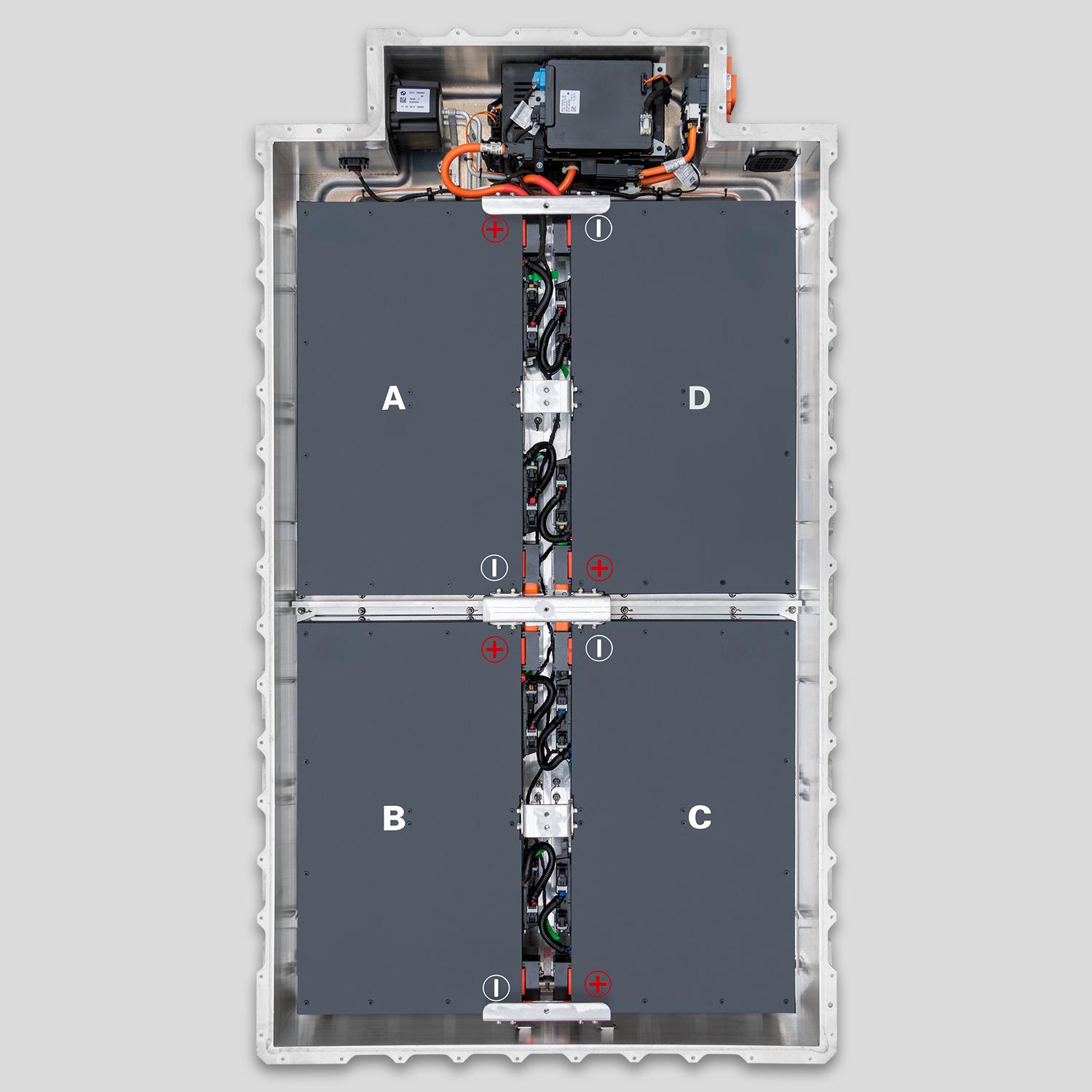
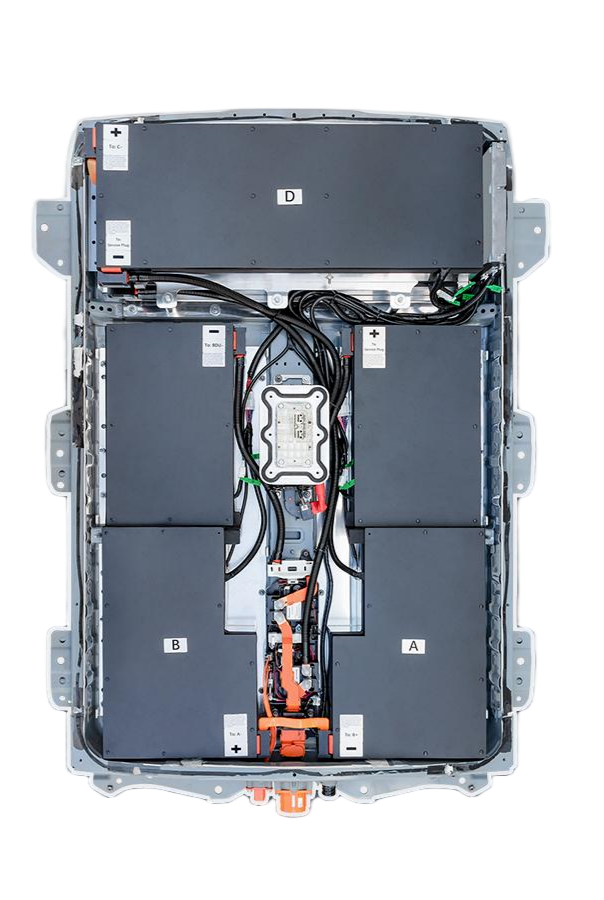
Replacing the battery in your Nissan Leaf SV is classified as a “Pack Replacement” rather than a “Module Swap.” This means you are removing the entire high-voltage enclosure.
Safety First:
Before you touch a wrench, you must disconnect the 12V auxiliary battery. High Voltage is present inside the main pack. Do not open the aluminum enclosure unless you are a certified technician. The DIY process involves swapping the entire unit.
The 5-Step Installation Guide:
- Vehicle Preparation: Lift the car using a hydraulic lift or jack stands. Remove the underbody protection shields.
- Disconnection: Locate the high-voltage (HV) orange coupler. Disconnect the HV cable from the motor controller to the battery pack.
- Unbolting: Remove the structural bolts securing the battery to the chassis. There are typically 10-12 main bolts.
- Removal: Carefully lower the old battery. Note: Old Leaf batteries are heavy (approx. 600 lbs). Use a transmission jack.
- Installation: Lift the new Nissan Leaf 40kWh battery into place. Reconnect the HV coupler and reinstall the chassis bolts to Nissan torque specifications.
Pro-Tip: The entire process should take a competent DIYer about 2 hours. If you encounter resistance during the BMS handshake (when you turn the car on for the first time), consult the video tutorials provided by your manufacturer.
📈 The Value Proposition: New vs. Refurbished
Many Nissan Leaf owners try to save money by buying “refurbished” batteries, only to find themselves back in the garage six months later.
Here is why investing in a brand new Nissan Leaf SV battery is the only logical choice:
- Refurbished Batteries: These are “patched” together from old cells. They often suffer from imbalance, where one module dies, dragging down the whole pack. They usually lack a structural warranty.
- Brand New Batteries (OEM Standard): These are built to factory specifications with new materials. They come with a structural warranty (like the 2-year warranty offered by CNS) covering the casing and internal components.
The Math:
- Refurbished Pack Cost: $4,000 (Likely to fail in 1-2 years).
- New Pack Cost: $7,800 (Lasts 8-10 years).
- Result: The new pack saves you money in the long run.
📝 Final Checklist Before You Buy
Before you finalize your DIY Nissan Leaf SV battery upgrade, verify the following with your supplier:
- VIN Compatibility Check: Every Nissan Leaf has a unique VIN. A reputable supplier will check this to ensure the BMS software is compatible with your specific year and model.
- Warranty Terms: Look for a minimum of a 2-year warranty. Anything less is a gamble.
- Documentation: Ensure you receive the User Manual and Installation Guide. This is crucial for your insurance and local vehicle inspection.
- Shipping: Lithium batteries are classified as dangerous goods. Ensure the supplier handles UN38.3 certification for shipping to your country.
Upgrading your Nissan Leaf SV battery is not just about fixing a car; it is about extending the lifecycle of sustainable technology. By choosing a new, high-quality pack, you are ensuring that your EV remains on the road, reducing the need for raw material mining for new vehicles.
Ready to restore your Leaf SV to its former glory? Get a Free Custom Quote for your specific VIN today and get back on the road with confidence.
❓ Frequently Asked Questions (FAQ)
Q1: Can I really install a Nissan Leaf battery myself?
Yes, but with caveats. The process is mechanically simple (unbolting and bolting), similar to changing a transmission. However, you must strictly follow high-voltage safety protocols. If you are not comfortable working with high-voltage systems, hire a mechanic. Most DIYers use a floor jack and complete the swap in under 2 hours.
Q2: What is the difference between a 40kWh and a 62kWh battery for my Leaf SV?
The 40kWh battery is a direct physical fit for the SV chassis. The 62kWh battery is larger and heavier. While it offers the best range, it may require minor modifications to the chassis brackets or battery mounts on older SV models to fit perfectly. We recommend the 40kWh for a pure “plug-and-play” experience.
Q3: How do I know if the new battery is compatible with my car’s software?
Reputable manufacturers (like CNS) maintain a database of Nissan BMS software versions. Before shipping, they will ask for your VIN number. They then flash the BMS chip in the new battery to match your car’s specific communication protocol, ensuring the dashboard displays the correct state of charge.
Q4: How long does the new battery last?
A brand-new Nissan Leaf 40kWh battery built with CATL cells has a cycle life of over 3,000 cycles. Under normal driving conditions, this translates to over 10 years of service before the capacity drops below 70%. This is significantly longer than a refurbished battery, which may only last 1-3 years.
Q5: Is shipping a lithium battery safe and legal?
Yes. Reputable companies pack the batteries in fumigation-free wooden crates that meet UN38.3 transportation standards. They handle all the dangerous goods (DG) logistics paperwork. The battery is shipped in a safe, discharged state and must be fully charged upon first use in your vehicle.