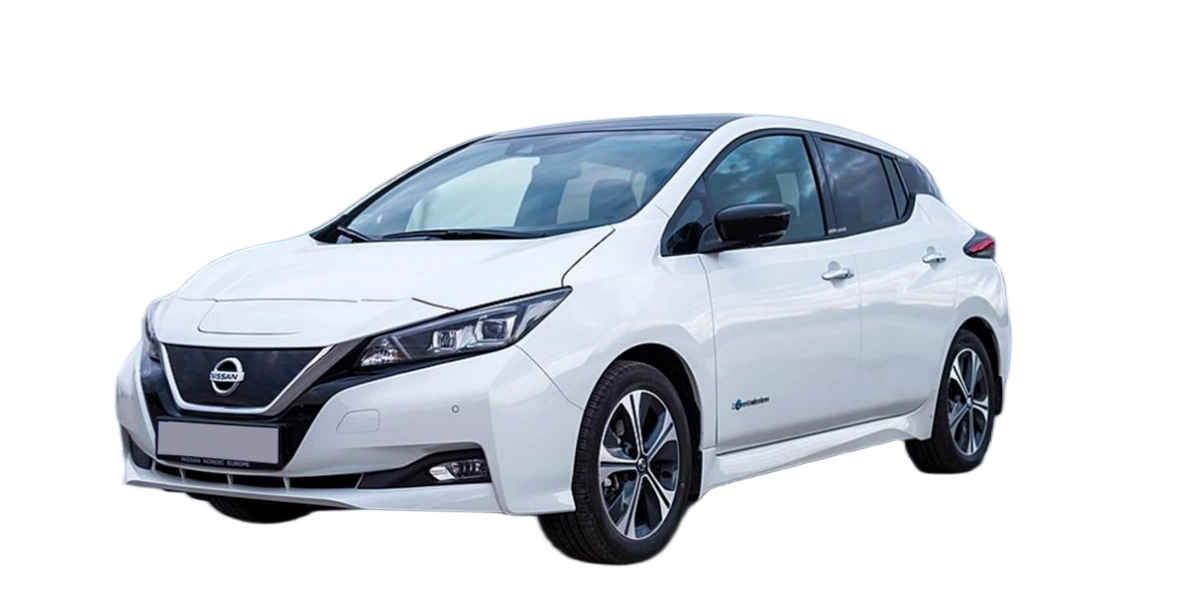
Winter Survival Guide for Leaf ZE1 40kWh Owners in Canada
As a Nissan Leaf ZE1 owner in Canada, you know the drill. When winter hits, your 40kWh battery seems to shrink faster than a wool sweater in hot water. Suddenly, that comfortable 240km range drops to a nerve-wracking 120km or less. You’re not just losing mileage; you’re losing freedom.
This guide is written specifically for Canadian drivers struggling with the “winter range anxiety” of the Leaf ZE1 40kWh model. We’ll walk you through practical survival strategies and, more importantly, the ultimate solution to finally beat the cold.
Why Does Your Leaf ZE1 40kWh Suffer in Canadian Winters?
Before we talk about fixes, let’s understand the enemy. The 40kWh battery, while reliable, has limitations that cold weather exposes brutally.
The Physics of Cold
Lithium-ion batteries rely on chemical reactions. In freezing temperatures, the electrolyte thickens, slowing ion movement. This doesn’t just reduce range; it forces your car to work harder, draining power.
The Heating Penalty
Unlike gas cars that use waste engine heat, your Leaf uses precious battery power to warm the cabin. Running the heater at -20°C can consume 20-30% of your total charge before you even move an inch.
The “Thermal Runaway” Fear
Many Canadian owners worry about leaving their cars plugged in during deep freezes. While modern batteries are safe, the lack of a robust Battery Management System (BMS) in older packs can lead to uneven cell degradation, making winter performance even worse.
3 Proven Strategies to Survive the Cold (Before You Upgrade)
If you’re not ready to replace the battery yet, these tactics can help you stretch those winter electrons.
1. Pre-Conditioning is Your Best Friend
Always plug in your Leaf. Use the NissanConnect app to pre-heat the battery and cabin while still connected to the grid. This ensures you leave with a warm car and a full battery, preserving your driving range for the road, not the heater.
2. Master the Seat Heaters
The cabin heater is a battery killer. Instead, use the rear window defroster and heated seats. They use a fraction of the power and keep you just as warm. Keep the cabin temp low and wear a good jacket.
3. Tire Pressure & Driving Style
Cold air lowers tire pressure, increasing rolling resistance. Check your tires weekly. On the road, drive like you have an egg between your foot and the pedal. Hard acceleration in winter not only wastes energy but is dangerous on slippery roads.
Expert Tip: If you see the “Turtle Mode” light (the slow turtle icon), stop immediately. This indicates the battery voltage has dropped too low due to the cold. Continuing to drive can permanently damage the cells.
The Permanent Solution: Upgrading Your 40kWh to 62kWh
Let’s be honest: no amount of pre-heating can truly fix the fundamental issue—the 40kWh pack is simply too small for Canadian winters. The math is unforgiving. If you lose 40% of your capacity to cold and heat, you’re left with barely enough juice to get to work and back.
Why a 62kWh Upgrade is the Ultimate Winter Survival Tool
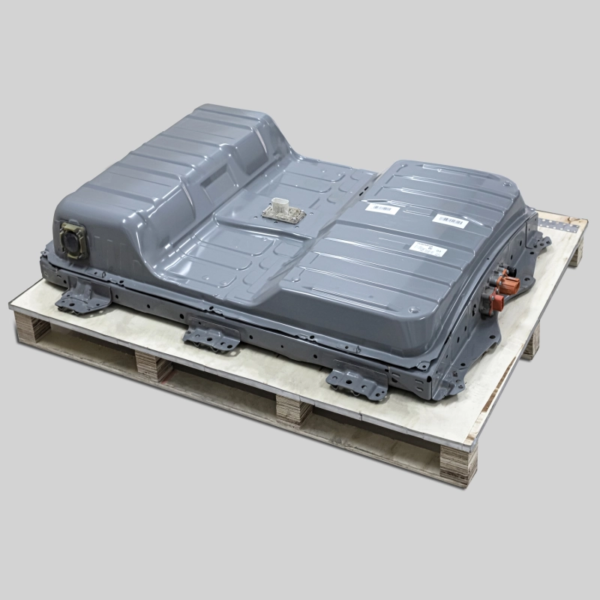
At CNS Battery, we specialize in OEM-compatible upgrades for Nissan Leafs. For Canadian ZE1 owners, upgrading from a 40kWh to a 62kWh Lithium Battery Pack isn’t a luxury; it’s a necessity.
Here is the math that changes everything:
| Metric | Leaf ZE1 40kWh (Winter) | Leaf ZE1 62kWh (Winter) | Verdict |
|---|---|---|---|
| Rated Range | 240 km | 365 km | |
| Winter Loss (50%) | 120 km | 180 km | |
| Usable Range | Barely enough for a grocery run | Comfortable daily commute |
By upgrading to a 62kWh pack, you effectively double your usable winter range. You can run the heat all you want, drive at highway speeds, and still have the confidence to make it home.
Why Canadian Owners Choose CNS Battery for Their Upgrade
We understand the unique challenges of the Canadian climate. That’s why our batteries are engineered for extreme conditions.
1. Built with Brand-New CATL Cells
Unlike recycled or refurbished packs that use old, degraded cells (which perform terribly in the cold), we use brand-new, top-tier CATL lithium cells. These are the same cells used by major OEMs, known for their stability and performance in low temperatures.
2. Military-Grade Battery Management System (BMS)
Our BMS is programmed specifically for Nissan protocols. It actively manages the temperature of the cells, ensuring they stay within an optimal range even when it’s -30°C outside. This prevents the dreaded “power loss” errors common in older or poorly made aftermarket batteries.
3. Unbeatable Warranty for Peace of Mind
We back our confidence with a 2-year / 80,000km warranty. This is significantly longer than most competitors offer. We know our batteries can handle the Canadian winter, and we want you to drive with zero anxiety.
4. Plug-and-Play Compatibility
You don’t need to modify your car. Our 62kWh pack is a direct OEM replacement for the ZE1. It fits perfectly, communicates flawlessly with your dashboard, and requires no coding or cutting of wires.
Making the Switch: Your Next Steps
If you’re tired of planning your life around a shrinking battery gauge, it’s time to upgrade. The 40kWh battery served you well, but the 62kWh pack is the future of your Leaf.
Don’t let winter dictate your driving range. With a CNS Battery upgrade, you can reclaim your freedom, run the heater without guilt, and enjoy the full potential of your Nissan Leaf, no matter how much snow falls.
Ready to upgrade your winter experience? Get a free, no-obligation quote today and see how much a 62kWh pack can change your driving life.
Frequently Asked Questions (FAQ)
Q1: Is the 62kWh battery a direct fit for my 2018 Leaf ZE1 in Canada?
Yes, absolutely. Our 62kWh pack is designed as a direct OEM replacement. It uses the same connectors, dimensions, and communication protocols as the original factory battery. No modifications to your car are required.
Q2: How does the BMS handle extreme cold during shipping and installation?
We ship our batteries partially charged to ensure safety. The BMS is designed to precondition the cells. However, we recommend installing the battery in a warm garage and allowing the car to precondition (while plugged in) before your first drive in deep freeze conditions.
Q3: What is the lifespan of a new CATL cell pack compared to my old 40kWh?
Brand-new CATL cells have a cycle life of over 3000 cycles. Compared to your old 40kWh pack, which has likely degraded significantly, the new pack will maintain over 90% capacity for years, providing consistent winter performance throughout its lifespan.
Q4: Do I need to update my car’s software after installing the new battery?
Yes, a simple software update is required to display the correct 62kWh capacity on your dashboard. Our technical team provides full support and guidance for this process, or you can have your local mechanic perform it using standard OBD2 tools.