Here is the SEO-optimized article tailored for the Nissan Leaf e+ battery replacement market.
🚀 Nissan Leaf e+ Battery Replacement Cost Factors: The 2026 Guide
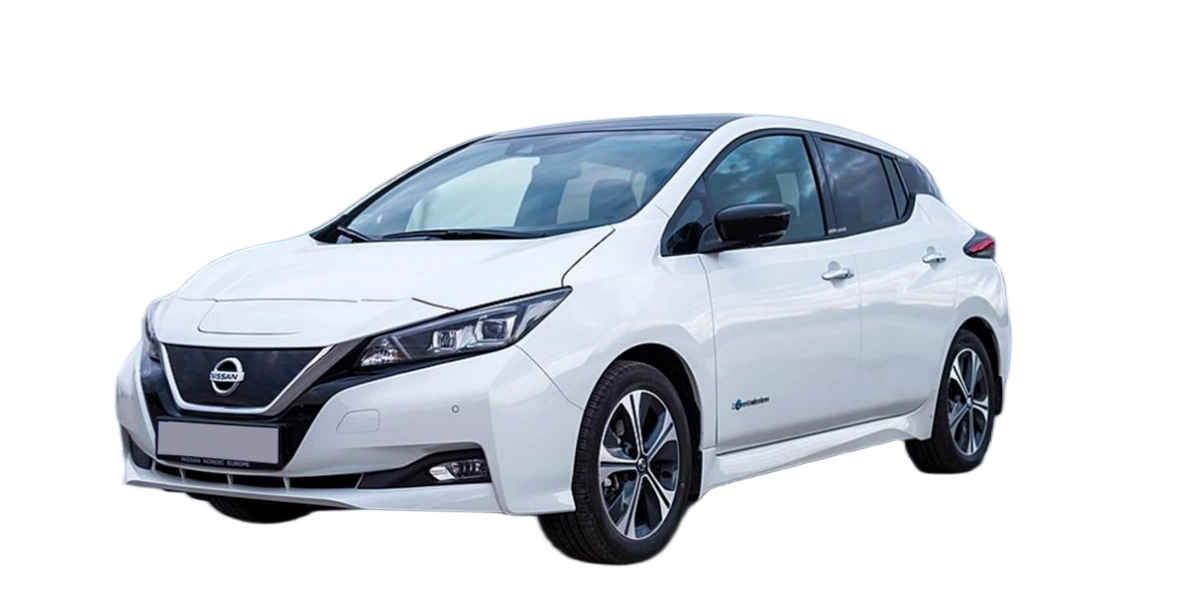
The Nissan Leaf e+ is a popular choice for drivers seeking a longer electric range. However, like all EVs, its battery capacity naturally degrades over time. If you’re staring at a shrinking range and considering a replacement, the first question on your mind is likely: “How much is this going to cost?”
Navigating the world of EV battery replacements can be complex. Unlike a standard oil change, the cost isn’t fixed; it depends heavily on the type of solution you choose. As experts in the EV aftermarket, we break down the core factors influencing the price of a Nissan Leaf e+ battery replacement and why certain options offer superior value.
🏭 The “New Car Equivalent” Price Tag
The most straightforward, yet expensive, option is to visit a Nissan dealership. This is the “Original Equipment Manufacturer” (OEM) route.
- The Cost: Replacing a Leaf e+ battery at a dealership typically costs between $12,000 and $16,000 USD (or equivalent in Euros/Pounds).
- The Factor: This price includes the brand premium, dealer labor rates, and the cost of the proprietary pack. While it guarantees compatibility, the financial burden is often comparable to buying a second-hand economy car.
💡 The Hidden Cost Factor: Battery Cell Quality
Not all replacement batteries are created equal. The single biggest factor determining the cost of an aftermarket battery is the quality of the lithium-ion cells inside.
- Refurbished/Used Batteries (Low Cost, High Risk):
- Price: ~$3,000 – $5,000 USD.
- The Catch: These are old batteries pulled from salvage cars, repaired, and resold. The cells are already aged, and you are buying someone else’s wear and tear.
- Risk: High failure rate, swelling, and rapid capacity drop.
- Brand New Cells (High Cost, High Value):
- Price: ~$7,000 – $8,500 USD.
- The Value: This is where our expertise lies. We utilize brand-new, Grade-A cells from top-tier manufacturers like CATL. You are not paying for recycled parts; you are getting a brand new “heart” for your car.
- Benefit: Superior lifespan, safety, and performance that matches or exceeds the original factory specifications.
⚖️ OEM vs. Aftermarket: A Cost Comparison
To help you visualize the difference, let’s compare the options:
| Feature | Nissan Dealership (OEM) | Refurbished/Used Market | CNS BATTERY (New Aftermarket) |
|---|---|---|---|
| Price Range | $12,000 – $16,000 | $3,000 – $5,000 | $7,000 – $8,500 |
| Cell Quality | Brand New | Recycled/Old | Brand New (CATL) |
| Lifespan Expectancy | 8-10 Years | 1-2 Years (High Risk) | 8-10+ Years |
| Warranty | Standard (Often <80k km) | None or Very Short | 2 Years / 80,000 km |
| Value for Money | Low | Poor (False Economy) | Excellent |
📦 Why “Plug-and-Play” Compatibility Affects Price
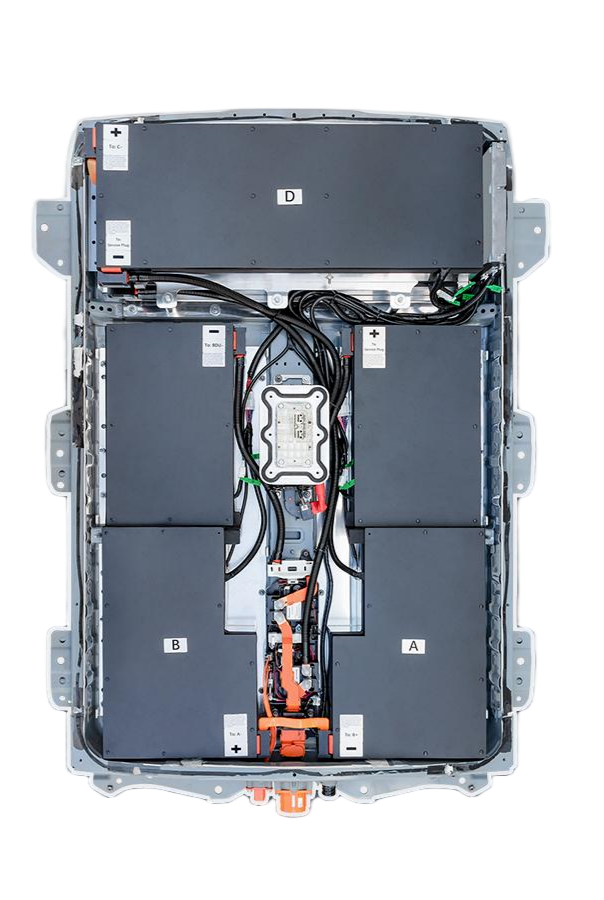
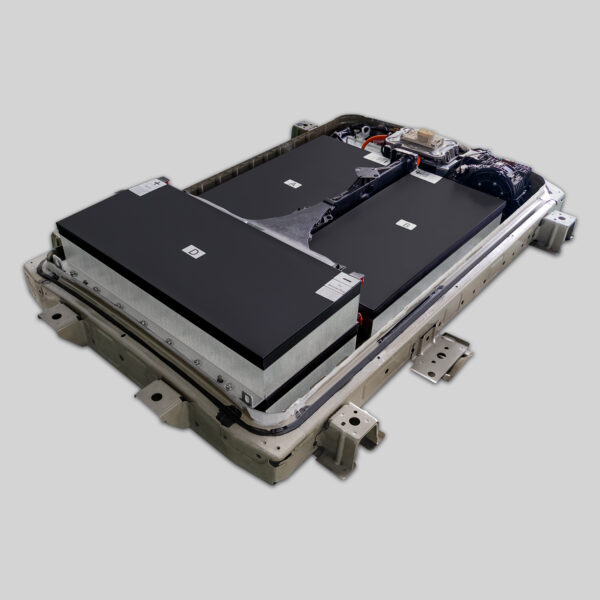
Another factor in the cost is engineering. A Nissan Leaf e+ battery isn’t just cells; it’s a complex module with a Battery Management System (BMS), cooling systems, and specific connectors.
- Precision Engineering: A high-quality aftermarket battery must be an exact OEM replica. This means the connectors, voltage, and communication protocols must match perfectly.
- The Cost of Precision: Batteries that are designed to be “Plug-and-Play” (requiring no modifications to your car’s wiring) cost more to manufacture but save you hundreds in labor fees and potential damage.
🛠️ Labor & Installation Variables
While the hardware is the bulk of the cost, labor is a variable factor:
- Professional Mechanic: Expect to pay $500 – $1,000 USD for a shop to drop the old chassis pack and install the new one.
- DIY (Do-It-Yourself): Many of our customers save significantly by doing it themselves. The process is designed to be straightforward (often taking 1-2 hours), and we provide video guides and remote support to ensure you don’t make costly mistakes.
📈 The Long-Term View: Warranty as a Cost Factor
Never overlook the warranty when calculating cost. A cheap battery with no warranty can end up being the most expensive choice if it fails in a year.
- Standard: Many aftermarket sellers offer 1 year or nothing.
- Our Standard: We offer a 24-month / 80,000 km warranty. This covers defects and capacity degradation, ensuring your battery maintains at least 70% health during this period. This level of coverage is a testament to our confidence in the product and protects your investment.
💬 Expert Recommendation
Replacing the battery in your Nissan Leaf e+ is a significant decision. While the initial sticker shock of the dealership price is daunting, opting for the cheapest refurbished battery is often a false economy.
For most Leaf e+ owners, the sweet spot is a brand-new aftermarket solution. You get the reliability and longevity of fresh, high-grade cells at roughly 50% of the dealership price. It effectively gives your car a second life without breaking the bank.
If you are ready to revive your Nissan Leaf e+ and want a quote based on your specific model year and requirements, our team of technical experts is here to help.
Get Your Custom Nissan Leaf Battery Quote Now
❓ Frequently Asked Questions (FAQ)
Q1: Is it worth replacing a Nissan Leaf e+ battery?
A: Absolutely, if you use a high-quality, brand-new replacement. Given the Leaf e+’s body and chassis can last over 200,000 miles, replacing the battery for roughly half the cost of a new car is a financially sound decision that extends the life of your vehicle.
Q2: How long does a replacement Nissan Leaf battery last?
A: A replacement battery using brand-new, top-tier cells (like CATL) should last 8-10 years or more, similar to a new car. In contrast, a refurbished battery may only last 1-3 years due to pre-existing cell degradation.
Q3: Can I install the battery myself?
A: Yes, many of our customers successfully perform DIY installations. The process is generally plug-and-play, but it requires mechanical aptitude and safety gear. We provide detailed video tutorials and remote video support to guide you through the process if you encounter any issues.
Q4: What voids an EV battery warranty?
A: Typically, warranties are voided by physical damage, improper installation (e.g., incorrect torque on bolts), exposure to water, or modifications to the BMS. Always follow the manufacturer’s installation guide to keep your warranty valid.