❄️ Winter Survival Guide for e-NV200 Evalia 62kWh Owners in Norway
If you own a Nissan e-NV200 Evalia in Norway, you know that winter is not just about snow—it’s about range anxiety. As temperatures drop below freezing, your lithium battery’s chemical reactions slow down, and your 62kWh pack might start feeling more like a 40kWh battery. You’re not alone in this struggle.
As an expert in electric vehicle conversions, I’ve helped hundreds of Scandinavian drivers adapt their e-NV200 and Nissan Leaf models for extreme cold. The good news is that with the right strategy and equipment, you can conquer the Norwegian winter. This guide is tailored specifically for e-NV200 Evalia 62kWh owners, combining technical know-how with practical survival tips.
❓ Why Does Your 62kWh e-NV200 Battery Struggle in Norway?
Before we fix the problem, you need to understand it. Lithium-ion batteries hate the cold. When the mercury dips below 0°C (32°F), the electrolyte inside your 62kWh battery thickens.
Here is what happens to your e-NV200 Evalia in winter:
- Chemical Slowdown: The internal resistance of the battery increases, reducing the amount of energy you can pull out.
- Heating Demand: Unlike gas cars that use waste engine heat, your EV uses precious battery power to heat the cabin.
- Regenerative Braking Loss: Most EVs disable regenerative braking when the battery is too cold to accept a charge, wasting energy you’d normally recapture.
For e-NV200 Evalia owners, this often means a 40-50% reduction in range during harsh Norwegian winters.
🛠️ The Technical Solution: Upgrading Your Battery
If you are still running the original factory battery, you are fighting a losing battle. The older chemistry simply cannot handle the thermal stress. This is where upgrading to a modern, high-capacity solution makes a dramatic difference.
1. The Power of the 62kWh Lithium Battery Pack
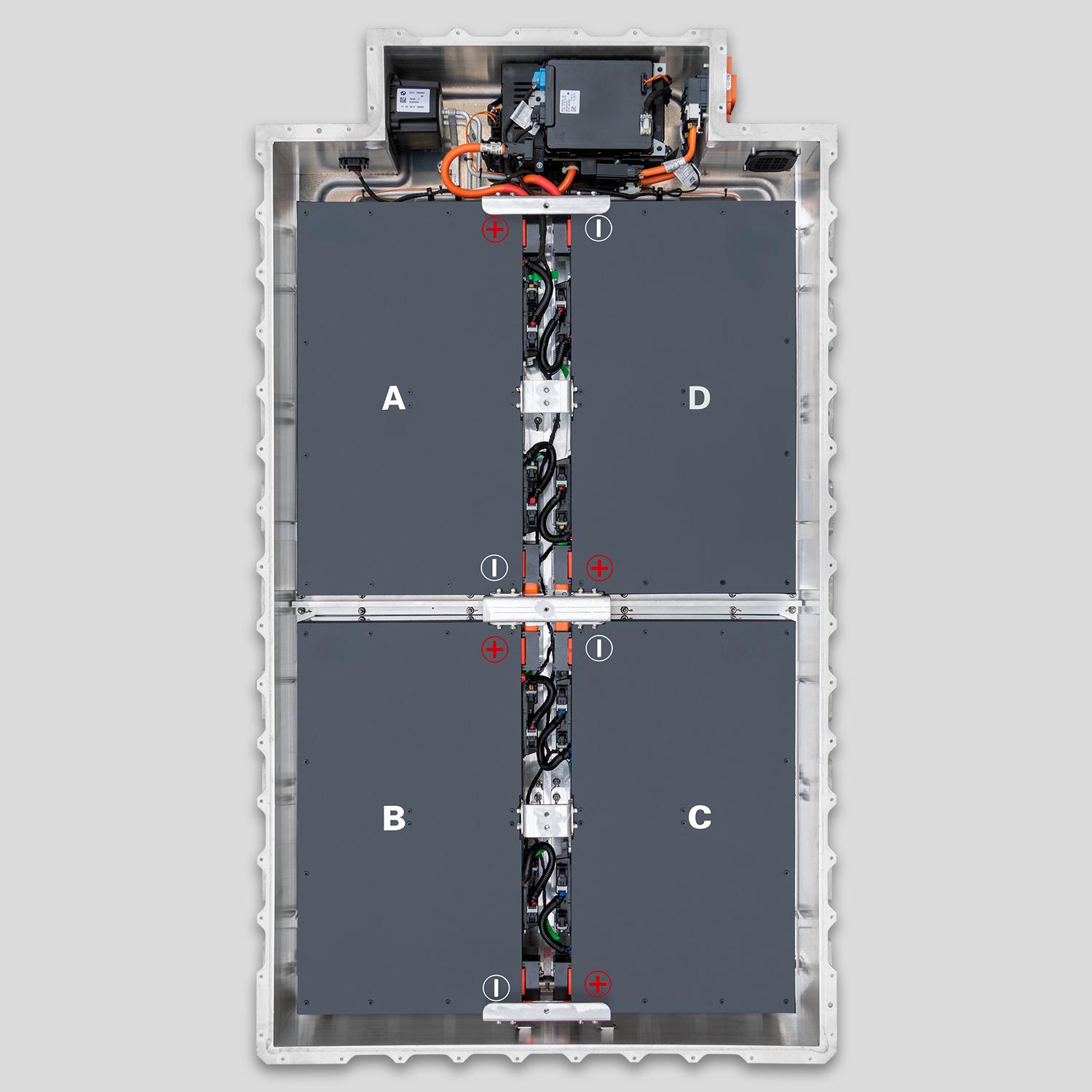
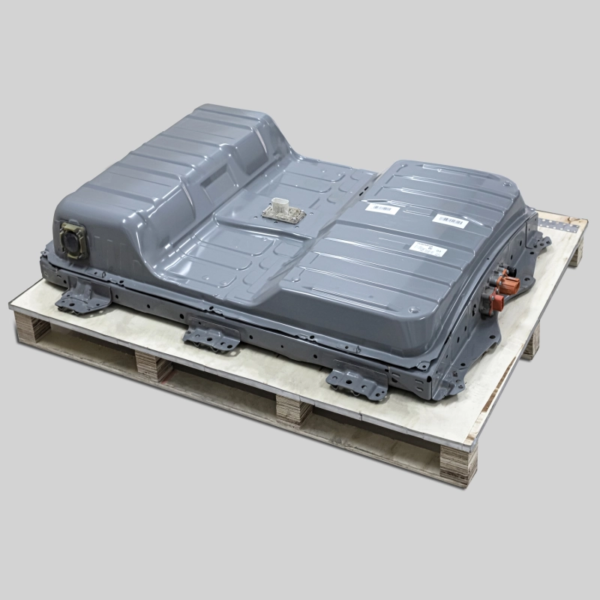
While the original Nissan battery struggles, a new 62kWh lithium battery pack built with modern CATL (Contemporary Amperex Technology) cells offers superior thermal stability and energy density.
- Why CATL? These are the same cells used by premium manufacturers. They handle low temperatures significantly better than older NMC formulations.
- Battery Management System (BMS): A modern BMS is crucial. It monitors every single cell in your e-NV200 battery and prevents over-discharging, which is deadly in the cold.
2. The Ultimate Upgrade: 68kWh for Arctic Conditions
If you are serious about winter survival, consider upgrading from the standard 62kWh to a 68kWh lithium battery pack.
Expert Insight: “For Norwegian customers, we often recommend the 68kWh upgrade. It provides that critical buffer. Even if you lose 50% of your range to the cold, starting with 68kWh means you still have usable range left, whereas a standard 40kWh pack would leave you stranded.”
This upgrade is plug-and-play compatible with the e-NV200 Evalia, meaning no modifications to your vehicle are needed—just a massive boost in confidence.
🧣 5 Winter Survival Hacks for Your e-NV200
Hardware is only half the battle. Here are five practical steps to maximize your winter range:
1. Pre-Conditioning is Key
Never start your e-NV200 Evalia with a cold battery. Use the pre-heating function (via app or timer) while the car is still plugged in.
- Why: This warms the battery and cabin using grid power, not your battery. A warm battery is an efficient battery.
2. Embrace the Seat Heater
Heating the entire cabin is expensive. Instead, use the seat heaters and steering wheel heater.
- Pro Tip: Set the cabin temperature to 18°C (64°F) and use heated clothing. You save roughly 10-15% of your range by not blasting the heater.
3. Tire Pressure Matters
In freezing conditions, tire pressure drops. Under-inflated tires increase rolling resistance.
- Action: Check your tire pressure weekly and inflate to the maximum recommended level (usually found on the driver’s door jamb).
4. Park Smart (Use a Garage)
If you have access to a garage, use it. Even an unheated garage is warmer than -20°C outside.
- Alternative: If you park outside, try to find a spot facing the sun. Every bit of passive solar heat helps the battery.
5. One-Pedal Driving
Keep your foot off the brake pedal. Drive slowly and predictively.
- Reason: Braking in the cold is less efficient, and accelerating hard drains the battery instantly.
🛑 Avoiding the “Winter Swelling” Trap
A common horror story in Norway involves batteries swelling or failing after a harsh winter. This usually happens with refurbished batteries or low-quality aftermarket packs that lack proper Thermal Management Systems (TMS).
Refurbished vs. New (The Reality Check):
| Feature | Refurbished/Used Battery | New CNS 62kWh/68kWh Battery |
|---|---|---|
| Cell Quality | Aged, degraded cells (often from salvage yards) | Brand new CATL cells (Top-tier quality) |
| Cold Weather Performance | Unpredictable; prone to sudden power loss | Stable discharge even at -20°C |
| Warranty | Often none, or very short | 24-month / 80,000 km warranty |
| Longevity | High risk of swelling or failure | Zero failure rate guarantee |
| Price | Cheap upfront, expensive to fix | 50% cheaper than OEM, premium value |
The Verdict: Do not gamble with a used battery in Norway. The cold will expose any weakness instantly.
📞 Ready to Conquer the Norwegian Winter?
If you are tired of watching your range plummet every time it snows, it is time for a change. Upgrading to a modern 62kWh or 68kWh lithium battery pack specifically designed for durability is the only way to ensure you are never stranded in the cold.
At CNS BATTERY, we specialize in OEM-compatible solutions for the Nissan e-NV200 Evalia. Our packs are engineered to handle extreme conditions, backed by a warranty that beats the original manufacturer.
Don’t let winter dictate your driving. Get your free quote today and secure your winter survival kit.
👉 Contact Our Technical Experts for a Free Quote
❓ Frequently Asked Questions (FAQ)
Q1: How much range can I expect from a 62kWh e-NV200 in a Norwegian winter?
While the official range is around 348km, in real-world Norwegian winter conditions (with heating on), you should expect roughly 170km to 200km. Upgrading to a 68kWh battery pack increases this buffer significantly, giving you peace of mind for daily commutes.
Q2: Is the installation difficult in the winter?
No, it is not difficult. The process is plug-and-play. Most owners, even those in cold climates, can complete the swap in 2 hours using basic tools. We provide step-by-step video tutorials and remote support to guide you through the cold-weather installation.
Q3: What is the warranty on the battery for cold climates?
We offer a 24-month / 80,000 km warranty. This covers any manufacturing defects and ensures that if the battery performance drops below 70% capacity due to cold-related issues (which is rare with our CATL cells), we will repair or replace it.
Q4: Can I use the battery for camping (V2L) during winter trips?
Absolutely. The 62kWh lithium battery pack is perfect for winter camping. With the right inverter, you can power heaters, coffee makers, or lights from your van without worrying about draining the starter battery. Just remember to keep the van plugged in or drive periodically to keep the cells warm if stationary for long periods.