Winter Survival Guide for Leaf ZE0 62kWh Owners in New Zealand
Navigating a New Zealand winter in a Nissan Leaf ZE0 is a unique experience. While the country’s winters are generally milder than those in North America or Europe, the combination of damp conditions, shorter daylight hours, and the specific chemistry of the ZE0 battery pack presents distinct challenges. As an expert in electric vehicle battery solutions, I understand that the drop in range during colder months can cause significant anxiety for drivers.
This guide is designed specifically for New Zealand Leaf ZE0 62kWh owners. We will explore the science behind winter range loss and provide practical, actionable strategies to maximize your driving distance. Furthermore, we will discuss how upgrading to a premium replacement battery can be the ultimate solution to winter driving woes.
Why Does the Leaf ZE0 Lose So Much Range in Winter?
Before diving into solutions, it is crucial to understand the enemy. The Nissan Leaf ZE0 (2013-2017 models) utilizes a specific lithium-manganese-oxide (LMO) chemistry in its battery pack. While reliable, this chemistry is particularly sensitive to cold temperatures compared to newer models.
When the temperature drops, the chemical reactions inside the battery slow down. This results in:
- Increased Internal Resistance: The battery has to work harder to deliver the same amount of power.
- Cabin Heating Demands: Heating the cabin in an electric car consumes a massive amount of energy—often more than the propulsion system itself.
- Regenerative Braking Reduction: Many EVs, including the Leaf, reduce regenerative braking in cold weather to protect the battery, leading to less energy recapture.
For a ZE0 owner in New Zealand, this can mean a range reduction of 30% to 40% on the coldest days.
Practical Tips for Maximizing Winter Range
You do not need to stay parked just because it is chilly. Here are four expert-backed strategies to extend your Leaf’s legs during the winter.
1. Preconditioning is Key
Preconditioning means heating the battery and the cabin while the car is still plugged in. Since the ZE0 does not have a heat pump as standard, using grid power to warm the car before you unplug is the most efficient way to preserve your battery’s charge for the road.
2. Strategic Driving Habits
- Limit High-Speed Driving: Aerodynamic drag increases exponentially with speed. Sticking to lower speeds on New Zealand’s winding roads can significantly increase your range.
- Use Eco Mode: Engage Eco Mode to limit the maximum power output, encouraging smoother, more efficient driving.
3. Battery Care and Parking
Whenever possible, park your Leaf in a garage or undercover area. Keeping the battery pack out of the direct rain and wind helps it retain heat, reducing the energy required to warm it up for the next drive.
4. Manage Regenerative Braking
While the ZE0’s e-Pedal is convenient, using the standard brake pedal gently in cold weather can sometimes help maintain battery temperature better than aggressive regen, which can cool the pack rapidly.
The Ultimate Upgrade: Why a New Battery Beats Winter Woes
While these tips help, they are often temporary fixes for an aging problem. If you own a ZE0, there is a high chance your battery has seen several winters already. Battery degradation compounds the issue of cold weather performance.
Imagine your 62kWh battery has degraded by 20% over the years. You are effectively driving on a 50kWh battery even before the cold hits. This is where upgrading to a new, high-performance battery pack becomes the most logical investment.
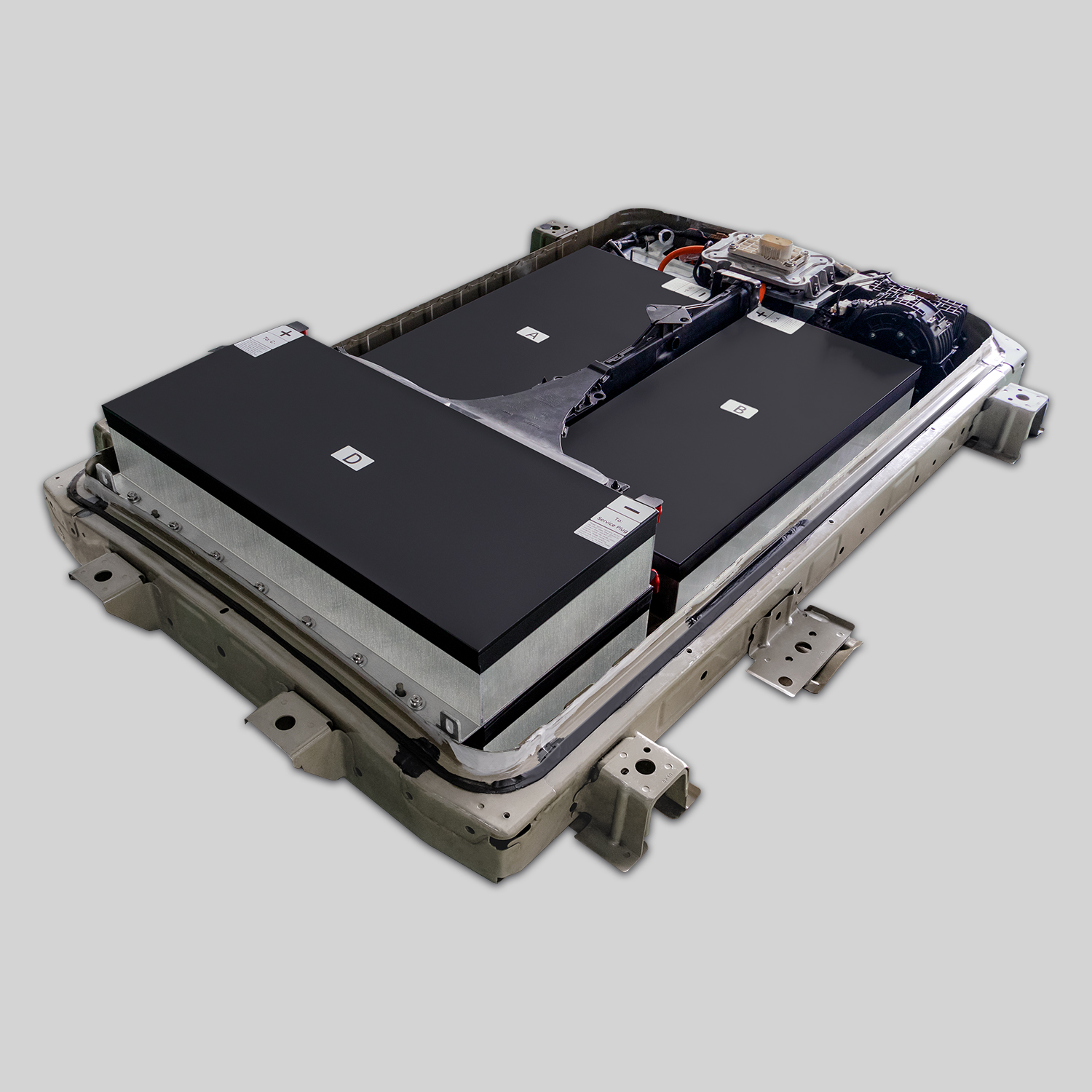
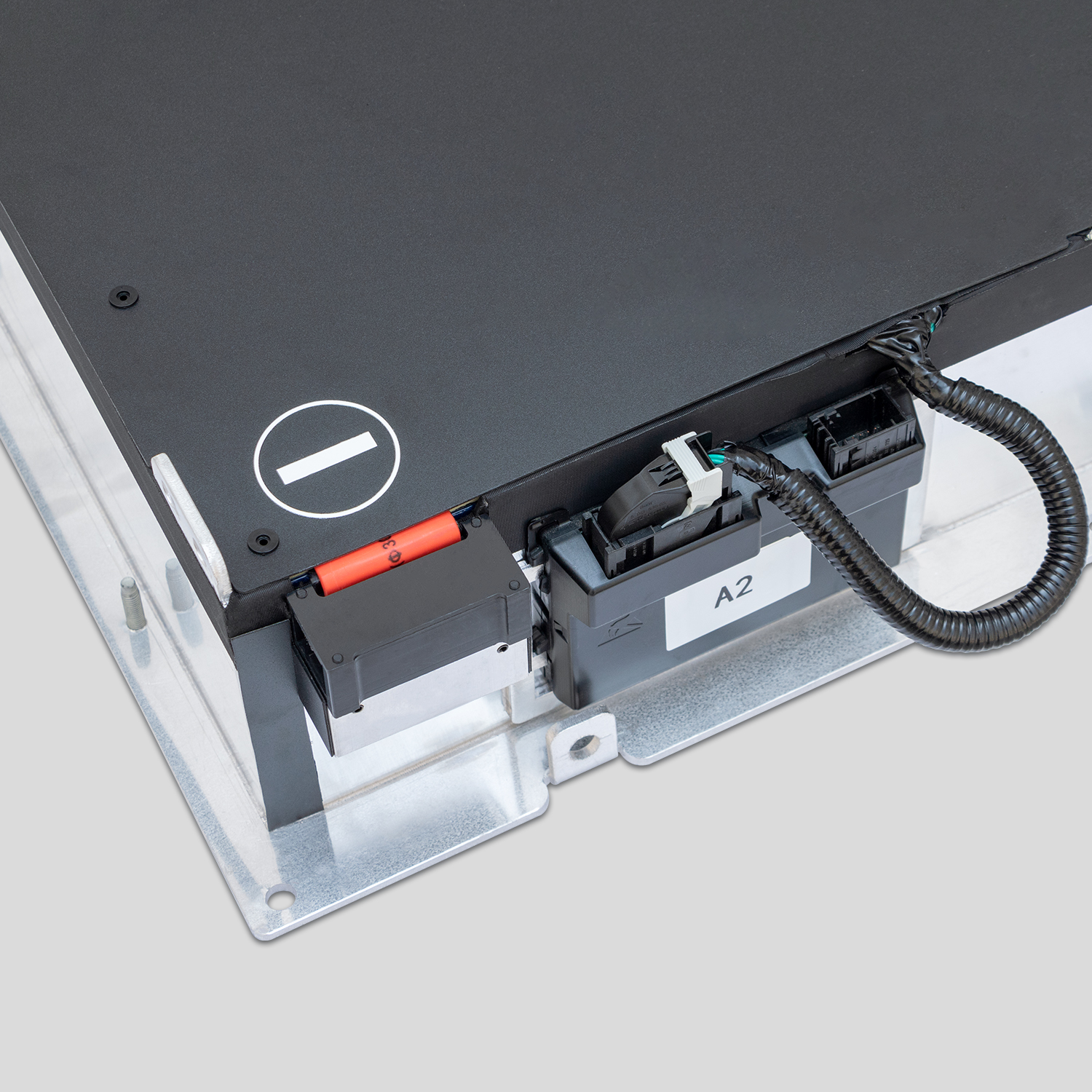
CNS BATTERY offers a superior solution for Nissan Leaf owners. Unlike the original LMO chemistry, our replacement batteries utilize brand-new, premium-grade CATL lithium iron phosphate (LFP) or NMC cells. These modern cells offer distinct advantages for New Zealand winters:
- Superior Cold Weather Performance: Newer cell technology handles low temperatures more efficiently than the aging ZE0 packs.
- Increased Capacity: We offer upgrades, such as the 68kWh option, which provides a massive buffer against range loss. Even with a 30% winter drop, a 68kWh battery leaves you with more range than a brand-new ZE0 had.
- Enhanced Thermal Management: Our packs are engineered with advanced Battery Management Systems (BMS) that actively manage temperature, ensuring optimal performance regardless of the weather.
Investing in a CNS BATTERY upgrade effectively gives your Leaf a second life. It transforms your winter driving experience from one of anxiety to one of confidence. You will no longer be calculating every kilometer to the charger.
The CNS BATTERY Difference
At CNS BATTERY, we specialize in providing OEM-compatible, high-performance replacement batteries for Nissan and BMW models. We understand the specific needs of the New Zealand market, where reliability and range are paramount.
Why choose CNS for your Leaf upgrade?
- Unbeatable Warranty: We back our quality with a 2-year / 80,000 km warranty, far exceeding industry standards. This includes coverage for performance degradation, ensuring your battery maintains at least 70% capacity.
- Original Factory Standards: Our R&D is based on original factory standards, guaranteeing a perfect fit and plug-and-play installation for your ZE0.
- Global Support: We handle international sales, customs compliance, and provide voltage-compatible options for global standards.
Ready to conquer the winter? Do not let the cold weather limit your adventures. Get a Free Custom Quote for your Nissan Leaf upgrade today and experience the difference a new battery can make.
Frequently Asked Questions (FAQ)
1. How much range can I realistically expect from a ZE0 in a New Zealand winter?
While a new ZE0 62kWh might achieve 180-200km in summer, expect this to drop to approximately 110-130km in typical winter conditions, depending on heater usage.
2. Is it safe to drive my Leaf in the snow?
Yes, but preparation is key. Ensure your tires are suitable for wet/slippery conditions, and remember that regenerative braking may be less effective on ice. Always drive to the conditions.
3. How long does a battery upgrade installation take?
For a professional technician, installing a CNS battery typically takes 1-2 hours. We provide comprehensive installation guides and video tutorials to assist with the process.
4. Does the cold weather affect the battery’s lifespan?
Cold temperatures do not permanently damage the battery in the short term, but consistently charging a lithium-ion battery when it is very cold can cause lithium plating, which degrades the battery over time. Our BMS helps prevent this by preconditioning the cells.